
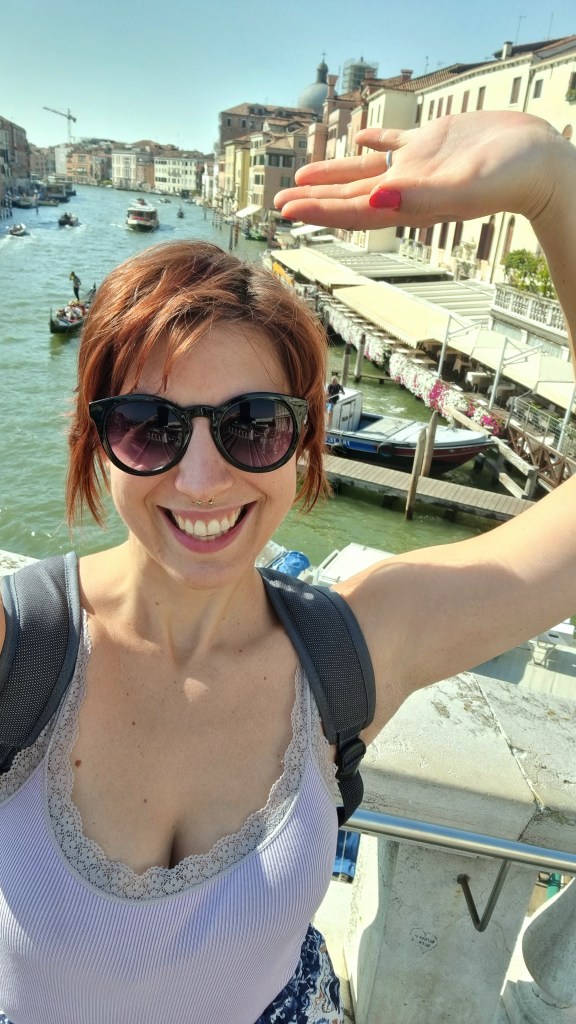
This year I could not visit Venice Biennale for the pre-opening in April as usual (read all about it here) because of work, so the first few days I had off (full disclosure, I did wait till the end of August, because I was afraid of the heat and the hordes of tourists before) I went to Venice. Aaaand I was there for the first few days of Venice Film Festival and I didn’t have the time to see any films. Hopefully next time.
Still, I have to say, the two days I spent there were a real adventure! My friend, who I was texting my stories all the time even mentioned that I might be in a parallel world.. All in all, I had fun hihi
The start of my journey was a bit shaky, as I decided to take the most convenient way to Venice – airport shuttle to the airport and then a short bus ride to the city. The ride was ok, but we were late for an hour, because, without my knowledge, we were also picking up some people who lived in the mountains on the outskirts of Ljubljana. I was already feeling car-sick at 6am, driving on the very narrow and winding roads to pick them up, but at the same time was kind of enjoying the sight-seeing of the villages I have never seen before..
Finally arriving to Venice, really needed a coffee, so I took a stroll over the bridge across from the train station and sat down. Then I decided I will not walk to Giardini, as the place is on the opposite side of Venice and my foot is still injured. Honestly, I make this mistake every single time I visit Biennale! I always forget that vaporetto (water bus) takes even longer to reach the destination than me walking for 55mins…. Hopefully, this was the last time and I learned my lesson *wink wink*

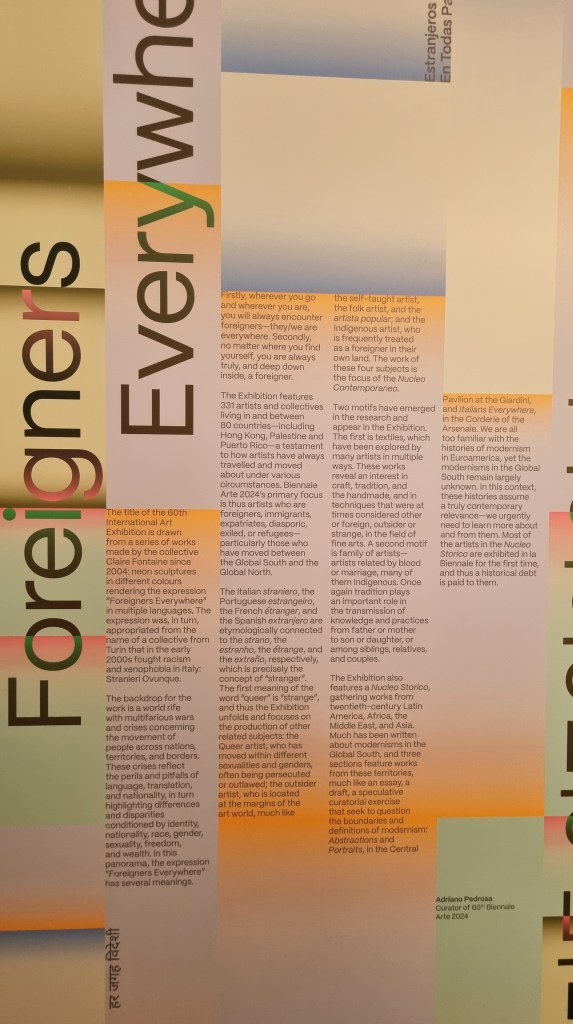
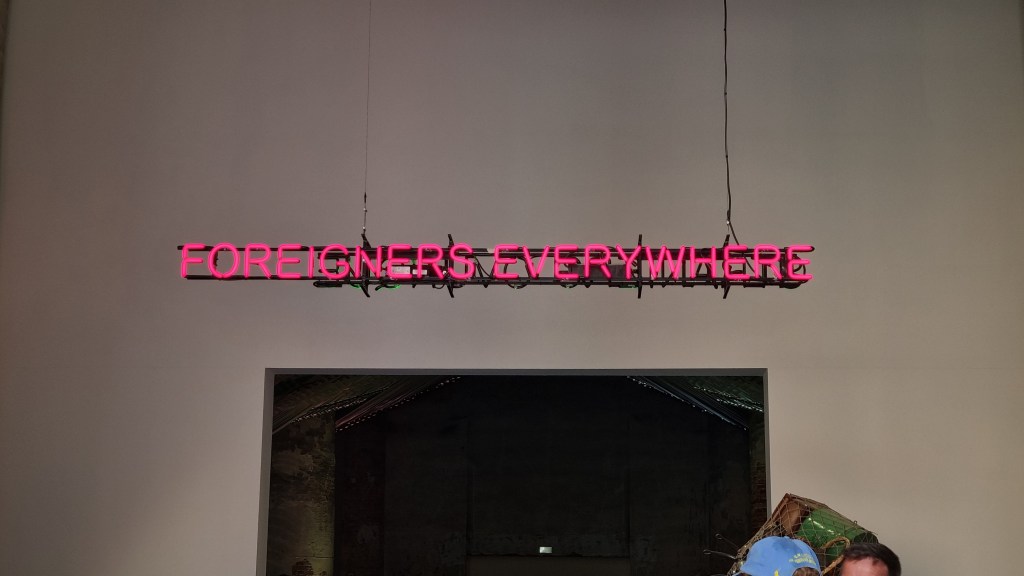
The theme of this year’s biennale is ‘Foreigners Everywhere’ and the whole time I was thinking about how fitting the title actually is – visiting biennale was a complete and relatable experience, because not only most of the visitors were tourists/foreigners, but also Venice houses many in general.
‘The expression Stranieri Ovunque – explained the curator Adriano Pedrosa – has several meanings. First of all, that wherever you go and wherever you are you will always encounter foreigners – they/we are everywhere. Secondly, that no matter where you find yourself, you are always truly, and deep down inside, a foreigner.’
It is also a Biennale of a lot of ‘firsts’, as there are exhibited many many artists from all over the world that have never participated in this international exhibition – which is also written on the majority of the captions next to the artworks, so you can’t really miss that fact.
GIARDINI – CENTRAL PAVILION
Finally walking into Giardini, I was reminiscing how I really enjoy that for every single Biennale they change the façade of the Central Pavilion, corresponding to the theme (or with an artwork). It really brings you in and you immediately start expecting what you will see inside, and it keeps you wondering and excited.

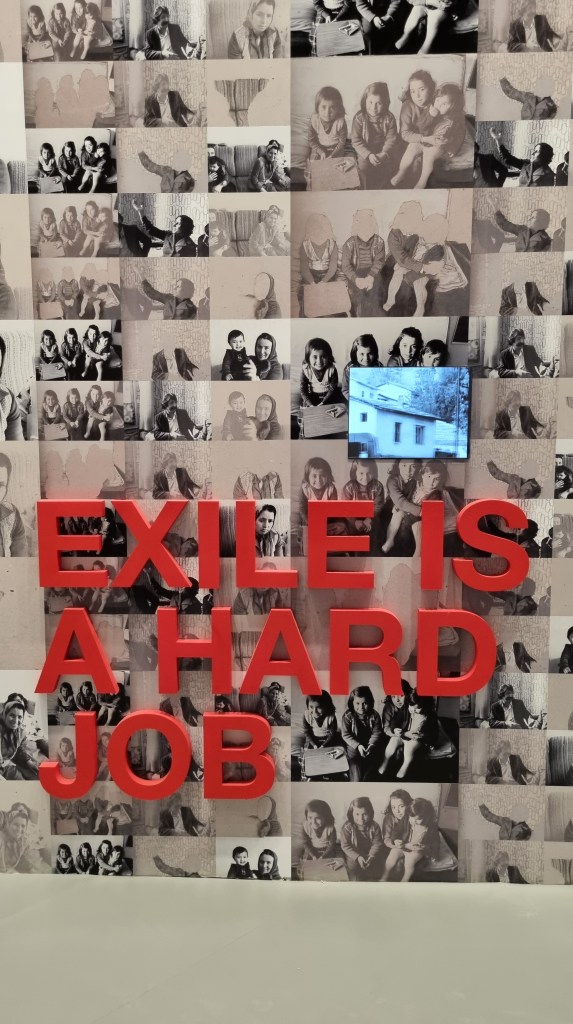
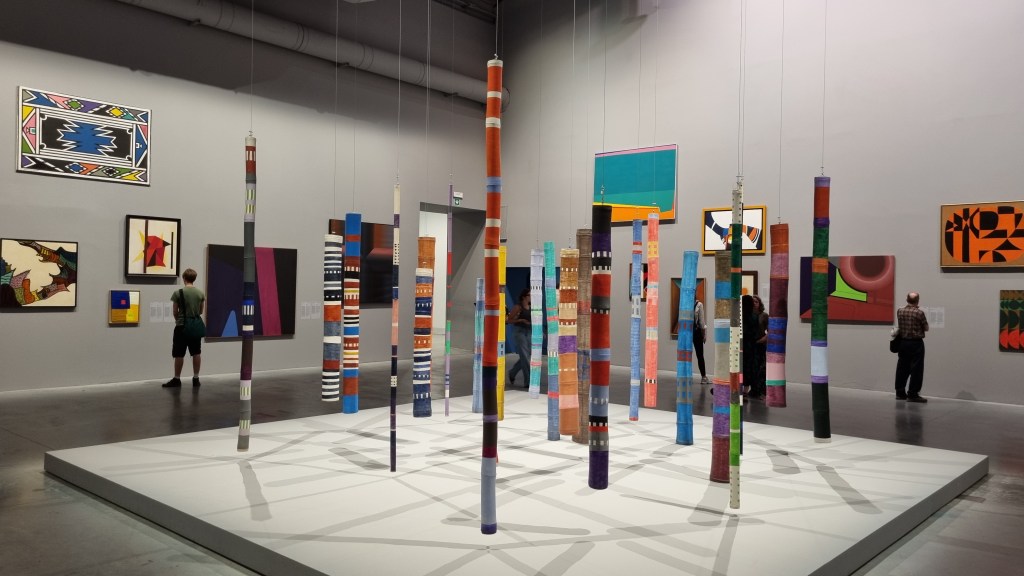
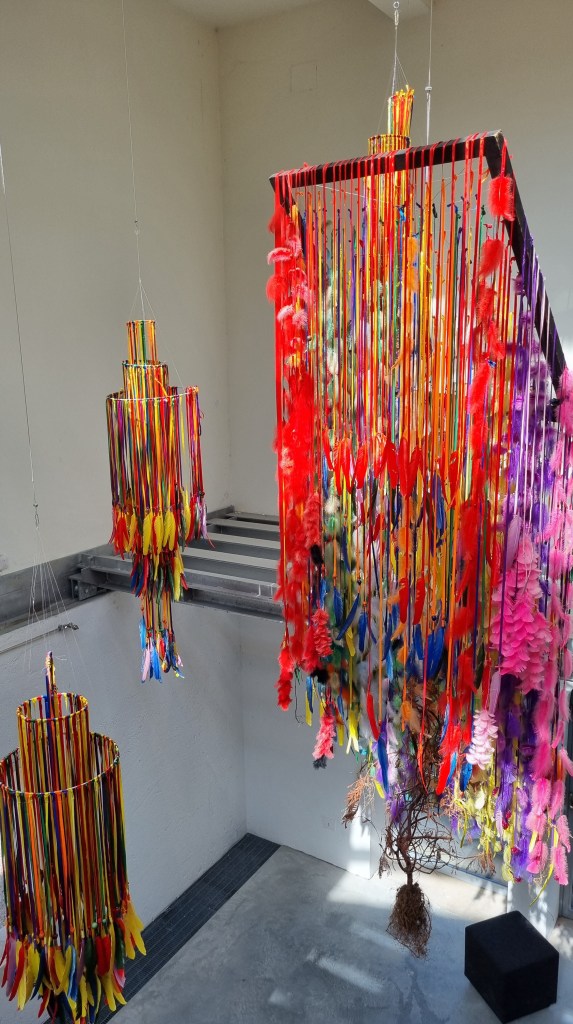
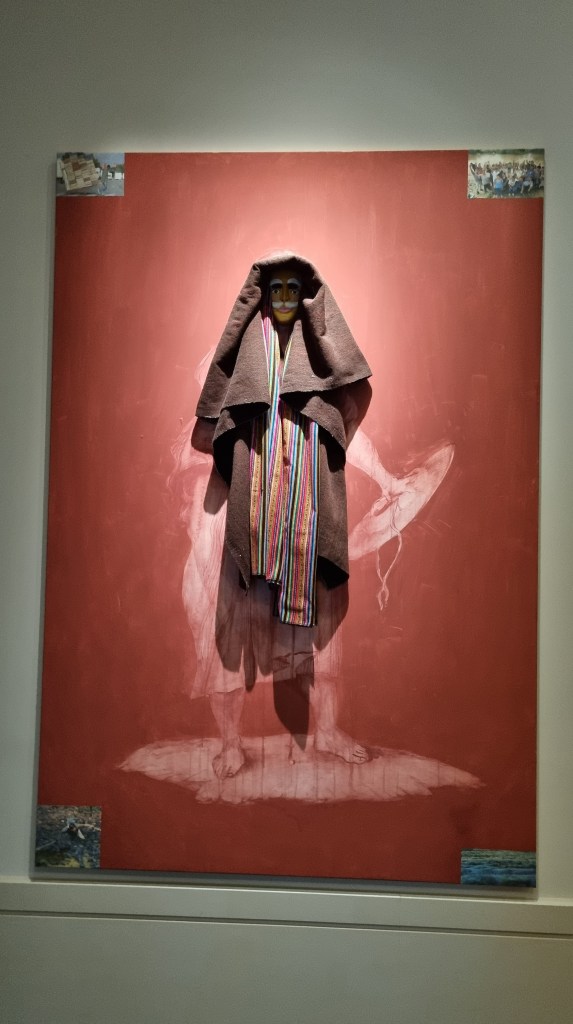
Upon entry you immediately step into the shoes of exiles, but turning the corner, you are faced with all the colours, which is a great contrast of the harsh reality vs. optimism. Like a yin yang balance in a way and it makes you think on the spot. The exhibited colourful artwork look tribal (Africa, South America, Middle East), a kind of symbolism you instantly recognize. You start being happy with all the colours and patterns surrounding you, but then you remember all the people from these cultures have always been persecuted. Is the positivity emanating from these artworks what they want us to see, that they still stand tall and are keeping the confidence?
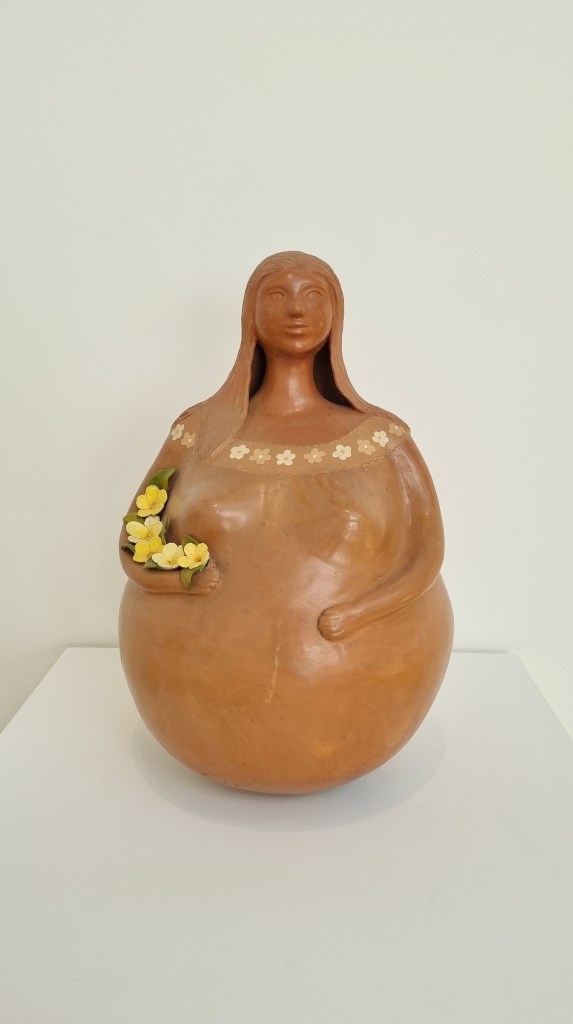
Some artworks are more figurative in nature and even if some look kind of abstract, you feel the feeling behind them and what they represent.
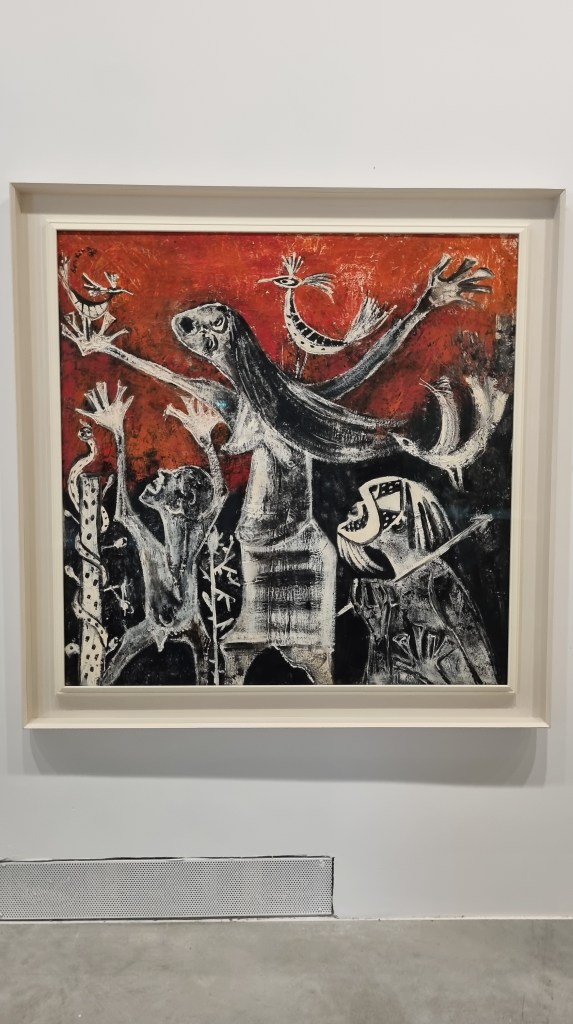
The Biennale puts you in a voyeur mode many times during observing the artworks, quite literally. But in a way, isn’t in general looking at art being a voyeur? Not only when the topic of the artwork is like that, but also, while looking at the artwork, you are always looking a bit into the artist’s life and soul.
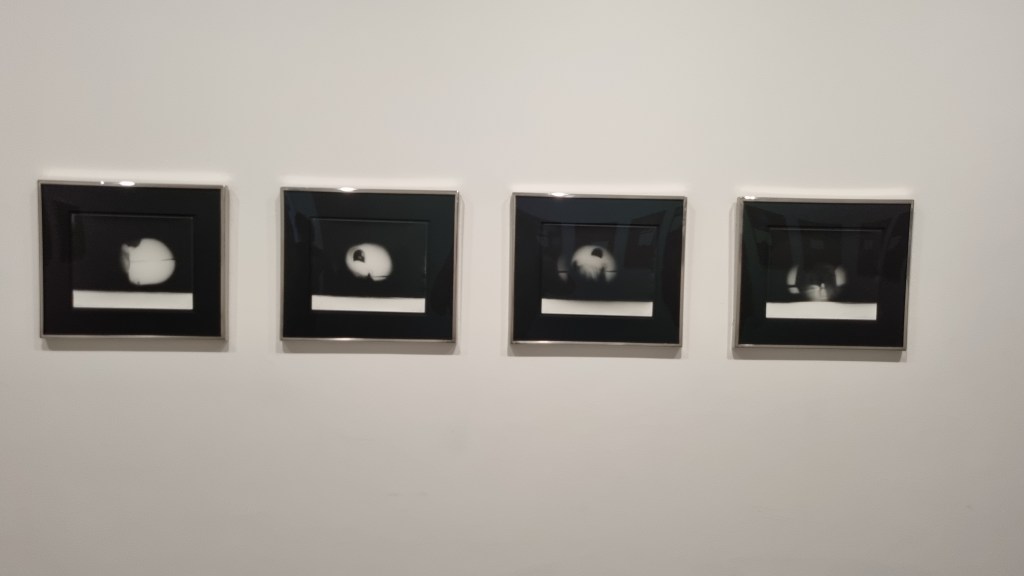
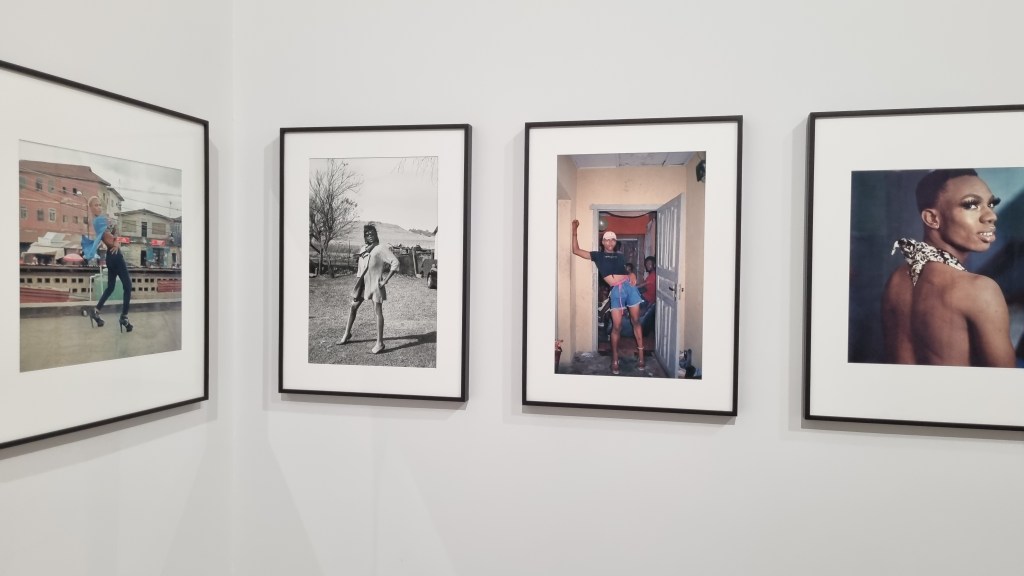
There is a lot of questioning of identity, sometimes pretty in your face, sometimes you have to think about it for longer, but mainly it is about everyone identifying not in a way that is ‘the norm’ (goooood, I hate the word ‘normal’……). Exhibited is also a lot about people of African descent, LGBTQ+, indigenous cultures etc. Something that should not be foreign in this date and age!! But I guess at least these topics represented here give the artists (and the art) the visibility they need to hopefully bring the world into 21st Century…
All in all, the whole Bienniale looks like a history lesson told through art. Reimagined and reinterpreted through the artworks. Told from different points of view, not just what we can read in history books that ‘the winners’ wrote. Concealed truths through the eyes of the artists.
Also, the part of colonized countries showing the reality, not what we were taught in schools. White people vs. indigenous people and what was actually happening ‘behind closed doors’ of these closed countries – we can see a great assimilation of those two worlds together.
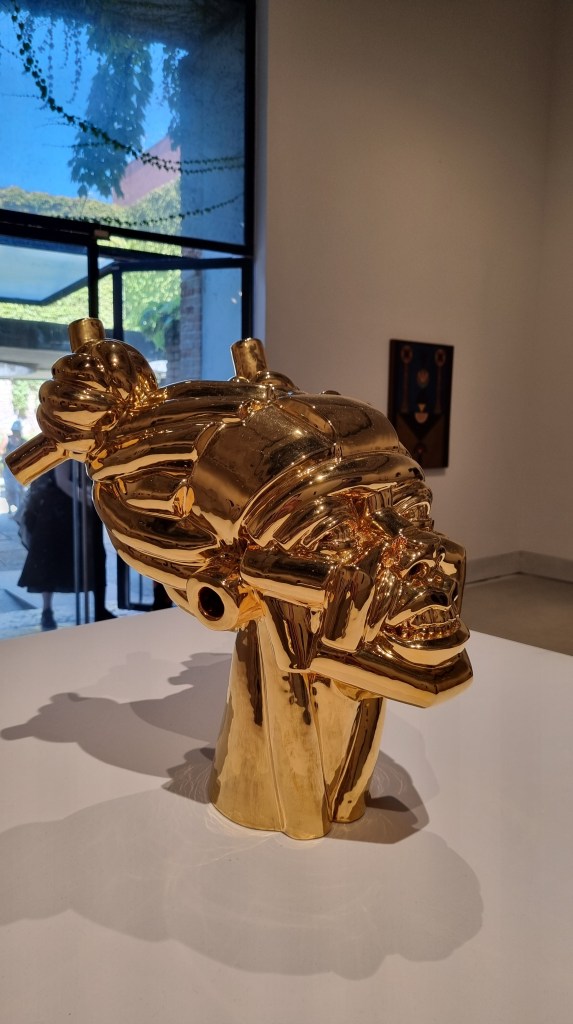
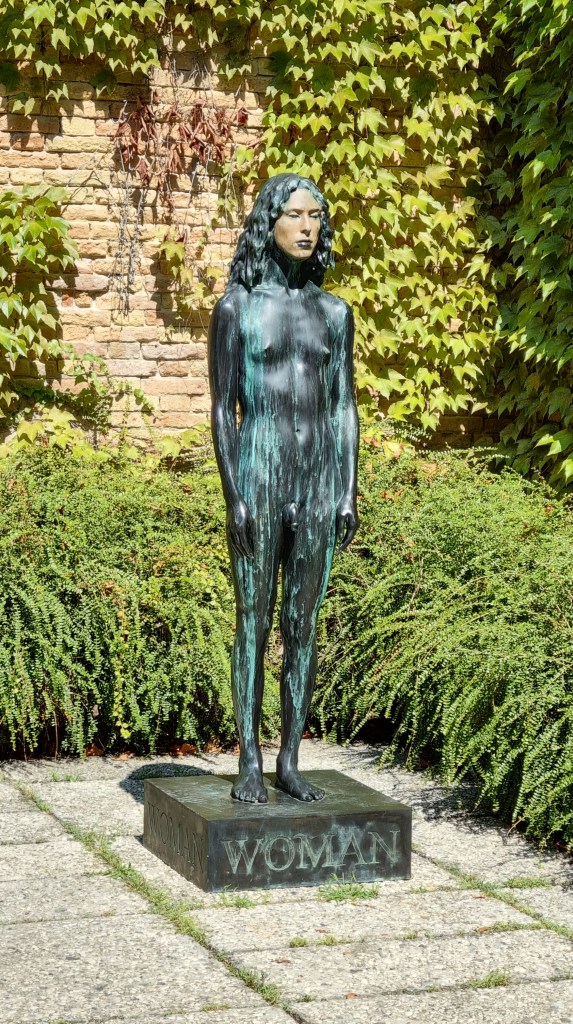
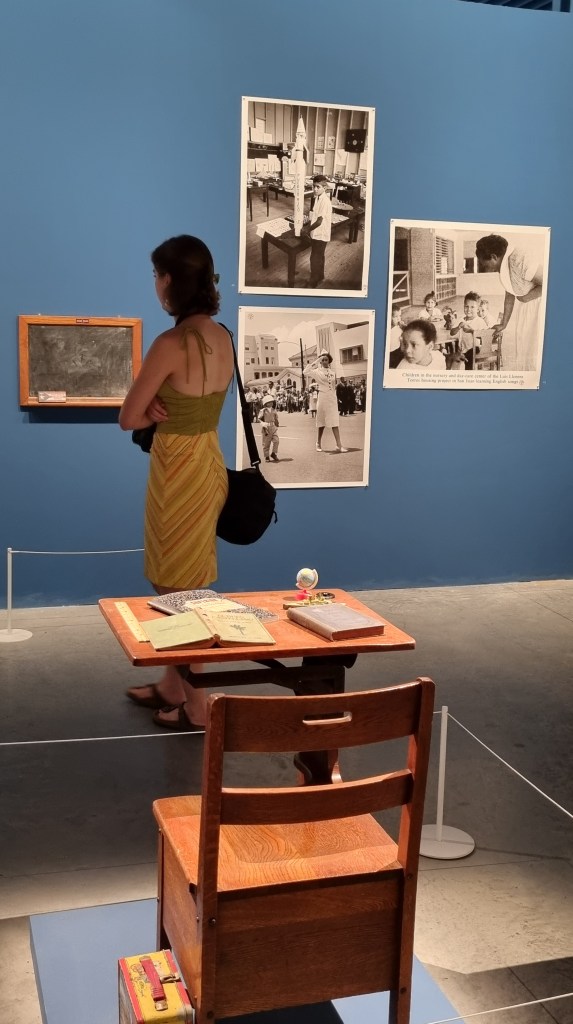
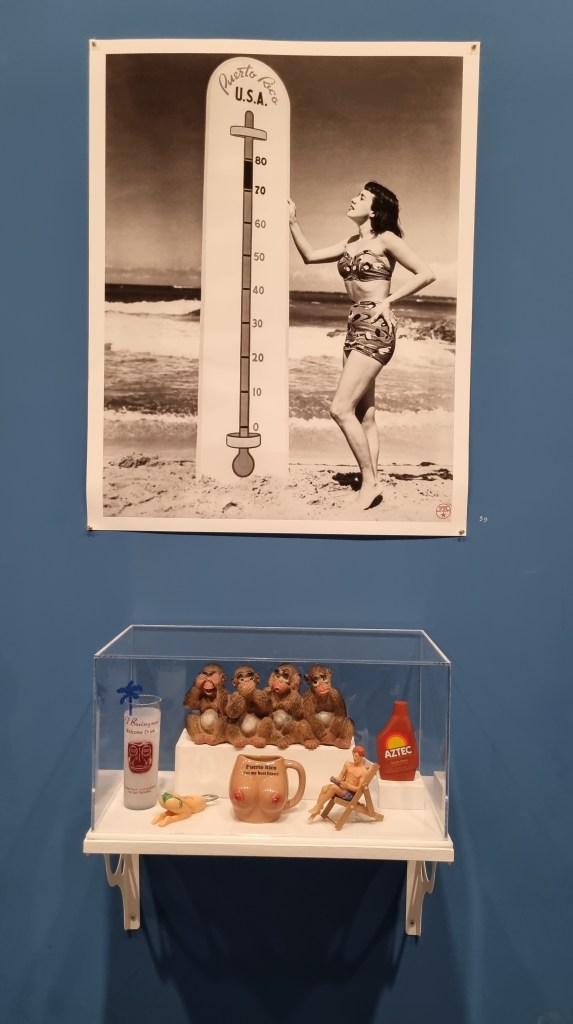
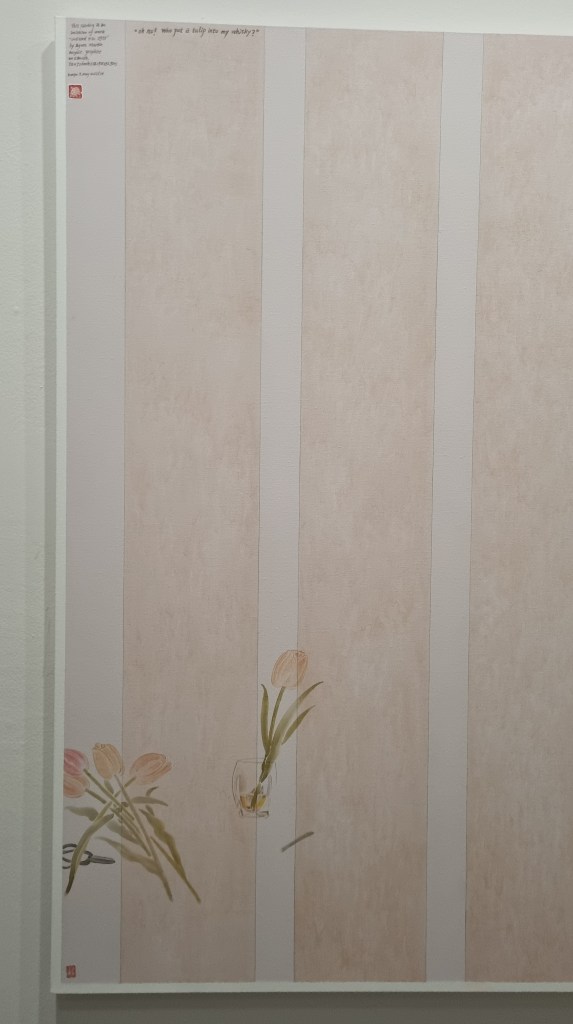

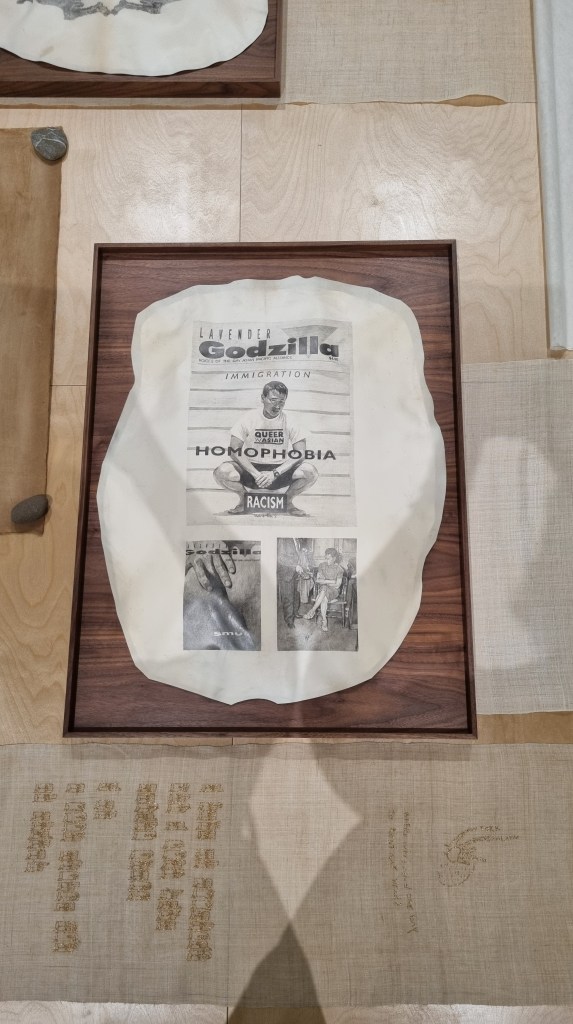
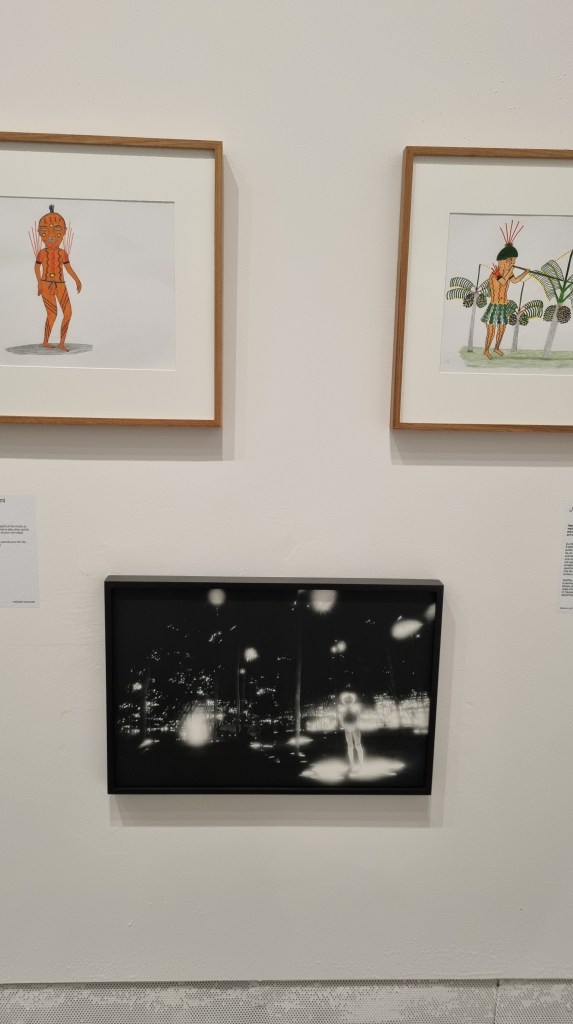
I have to also talk about the general curatorial process – now you must already know what my pet peeves are heheh The lightning in the Main Pavilion was great. You mostly walk through very well lit rooms with loads of colour (or dark) or through darkness with loads of colour on the walls. And that is what also gives a deeper interpretation to the artworks (and the history itself). Some rooms were pretty cold, probably because of the type of the artworks exhibited, but for me, even that made my experience more powerful. Not sure if that was totally intentional, but that is how I was living it, so plus points for that. Big plus points also for the captions on the walls, introducing each artwork in detail. I love seeing the artwork first and interpreting it myself, but then I also love to read about it and see if I completely missed a point (can you ever actually do that with an artwork??) or what else did I potentially miss. How do you do it? Admittedly, the artworks exhibited sometimes needed quite a lot of context to fully grasp it.
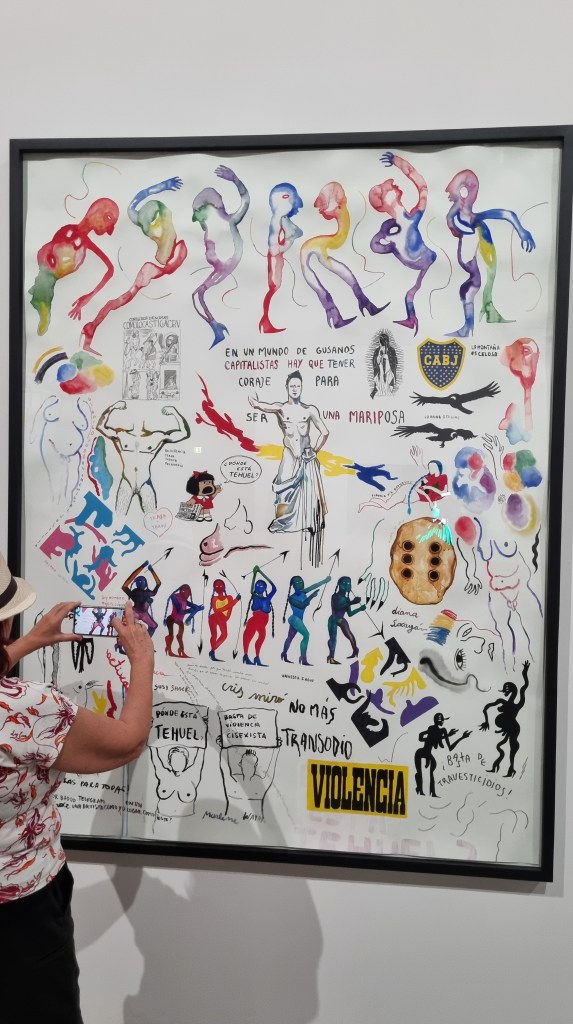
Walking forward, I started feeling more and more that contemporary art has really become a vessel for activism. Connecting Biennale to previous Documenta, for example, I feel the latter was less visual art based than Venice was, but they are both a very much needed platform to shove the reality into people’s eyes. The only issues here I see is: who is actually visiting exhibitions?
For me, one of the best captions is from the artwork of Gabrielle Goliath that really shows what the whole Biennale wants to achieve.

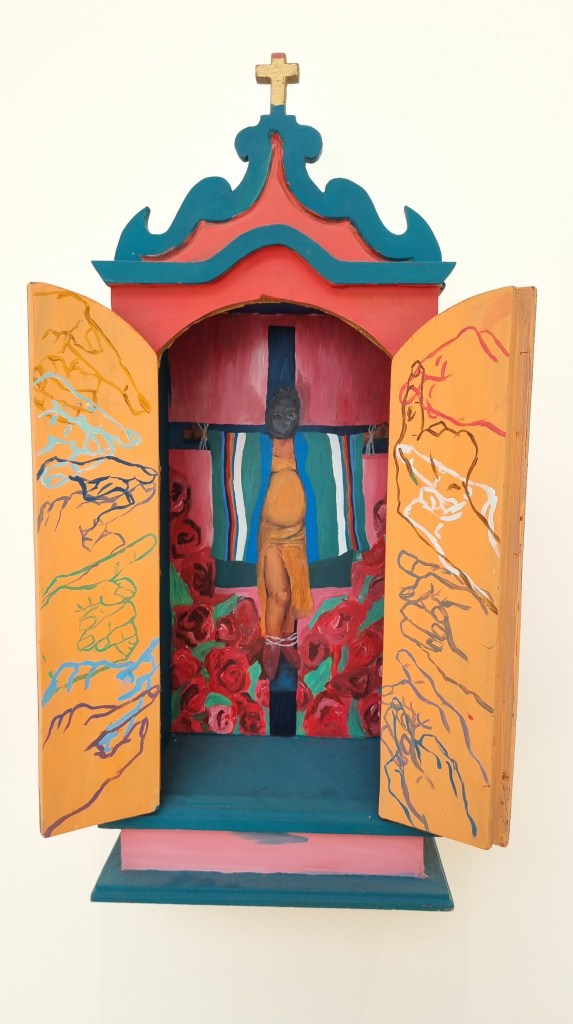
You will also encounter loads of folk art and crafts, so you can really see and feel the people behind it, their identities emanating from the artworks. It is like you are walking amongst souls that are opening your eyes.
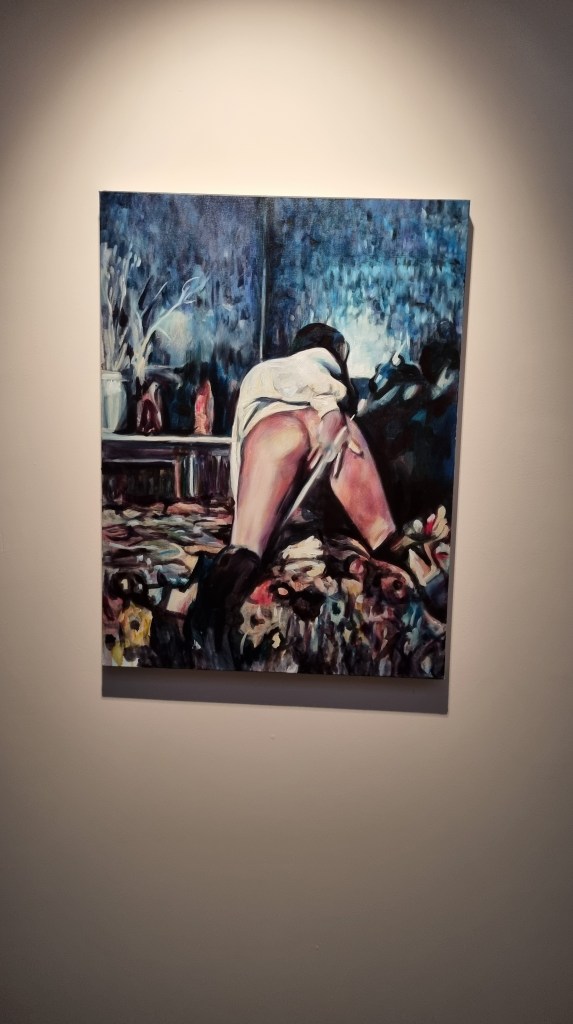
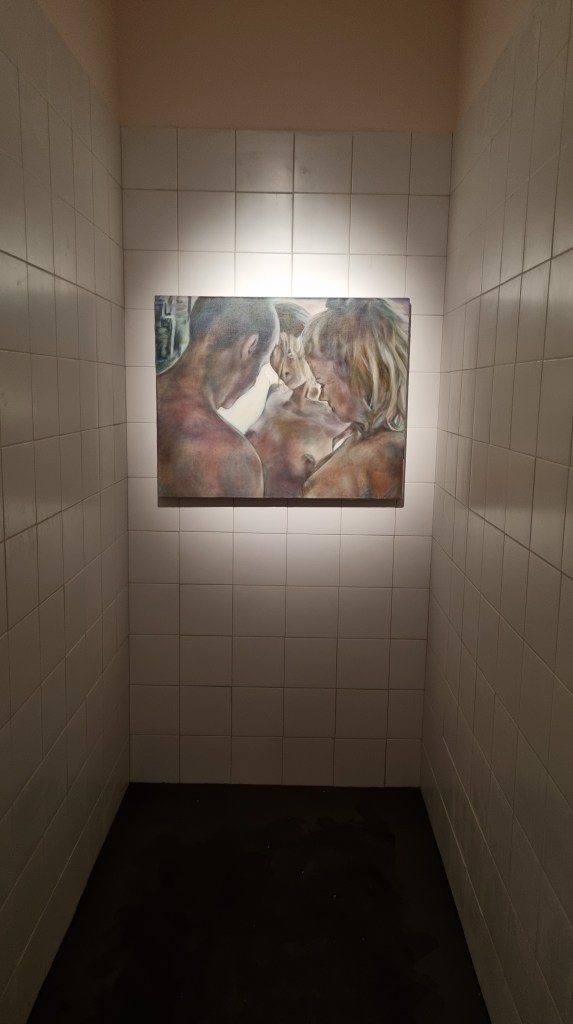
There is a lot of homoerotic imagery, artists bearing not just their souls, but also their bodies, their intimate lives, us still seeing them as outsiders, the foreigners. Likewise, quite a lot of art that deals with paranormal, artists as psychiatric patients, so literally seeing into their souls.
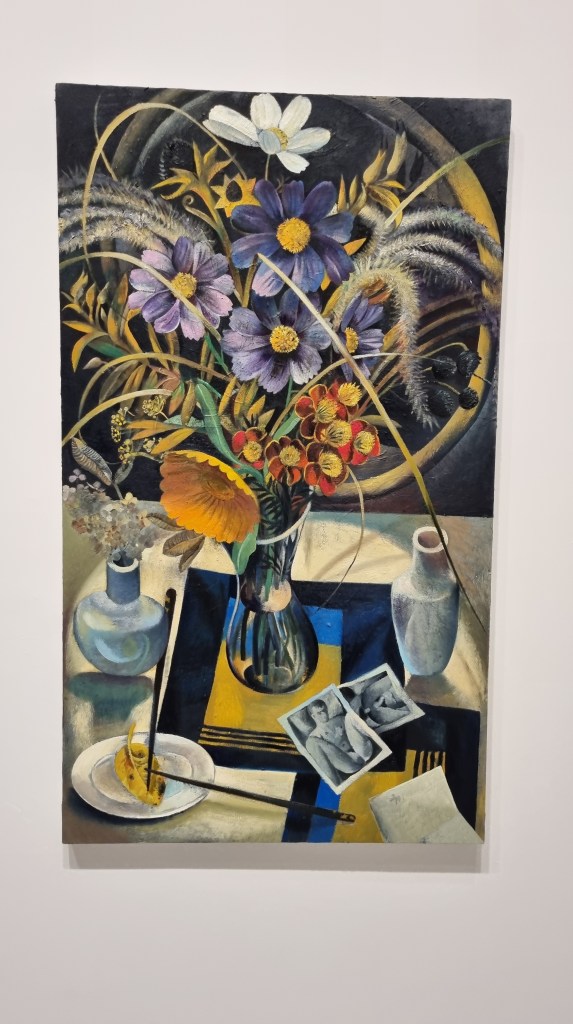
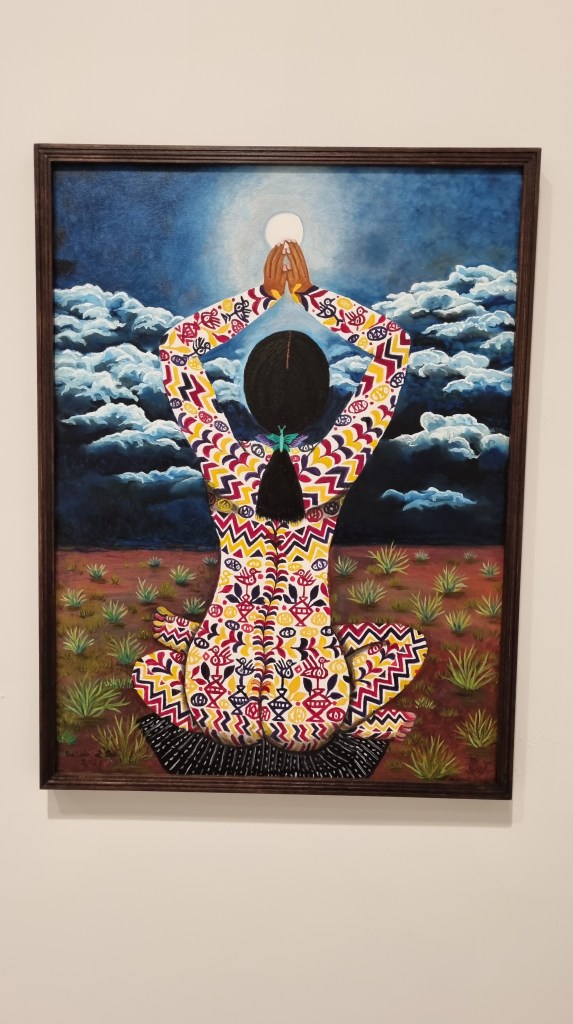
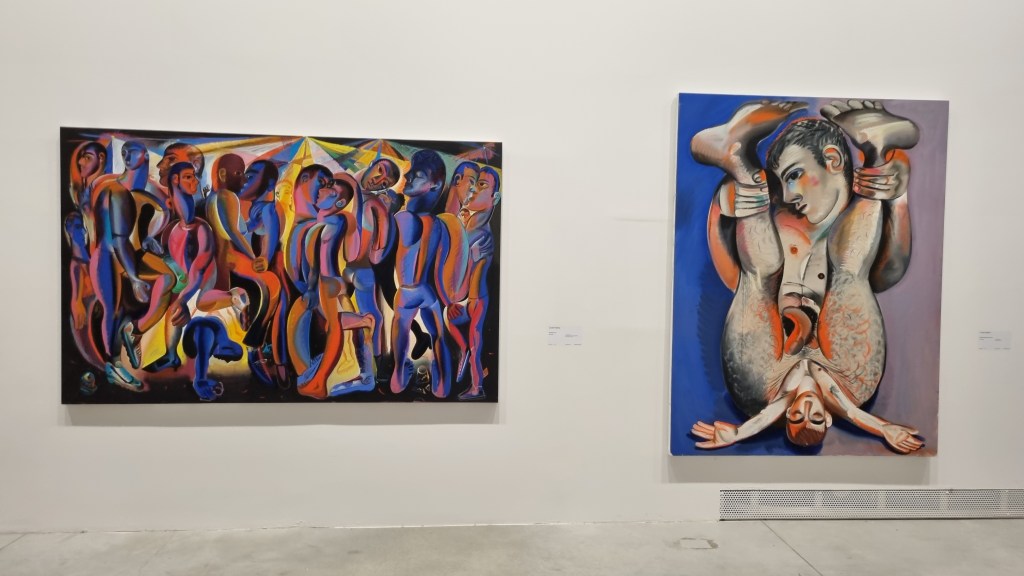

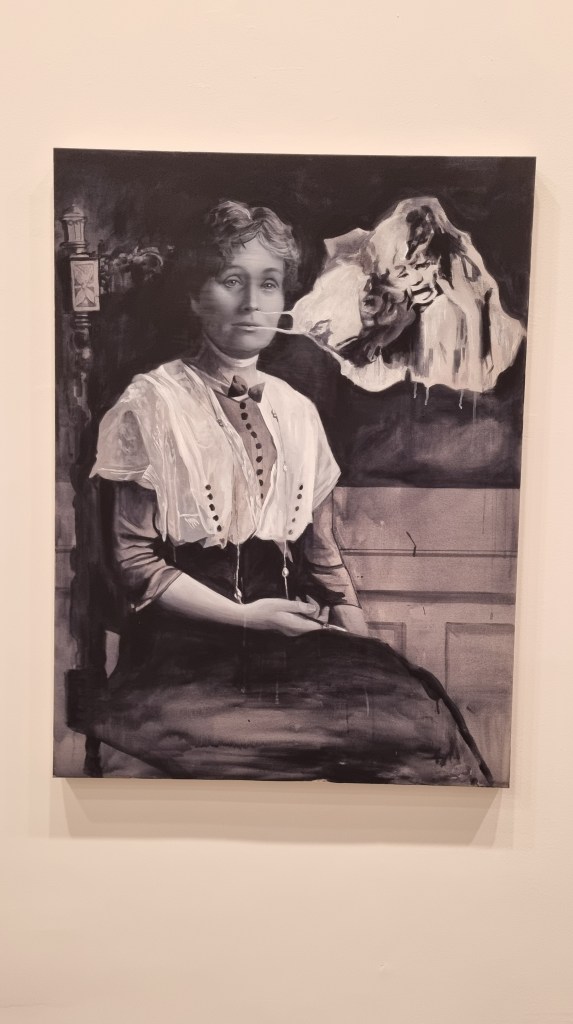

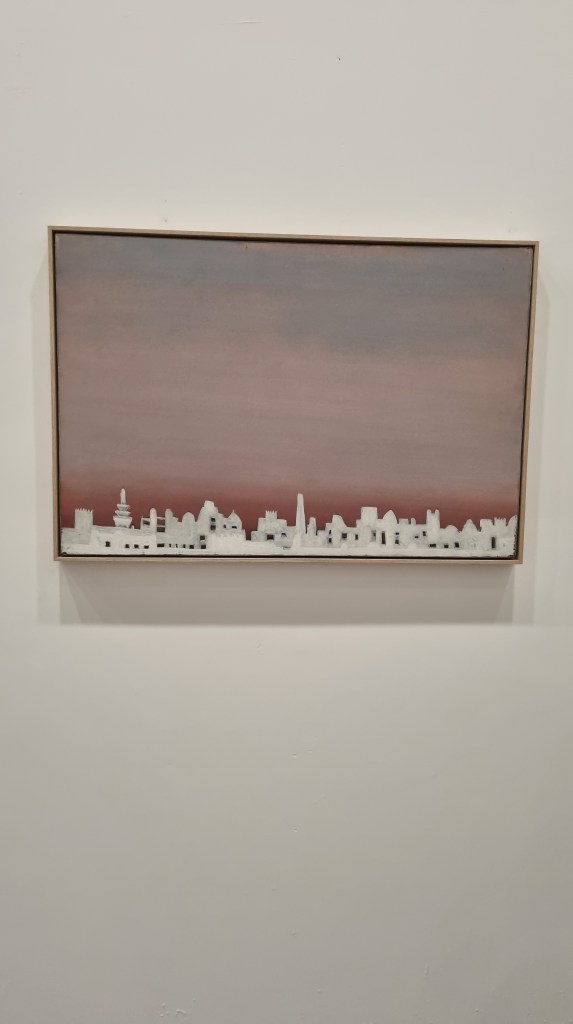
What I noticed and it really pulled me in, but it wasn’t a part of exhibition (or it actually was, as we are all foreigners?), was the visitors, the people walking around the artworks and how they participated in the artworks with just standing around and discussing them in detail. For me, that was a sight worth seeing, as their gestures and their faces gave you new insights. So it really is a very immersive experience.
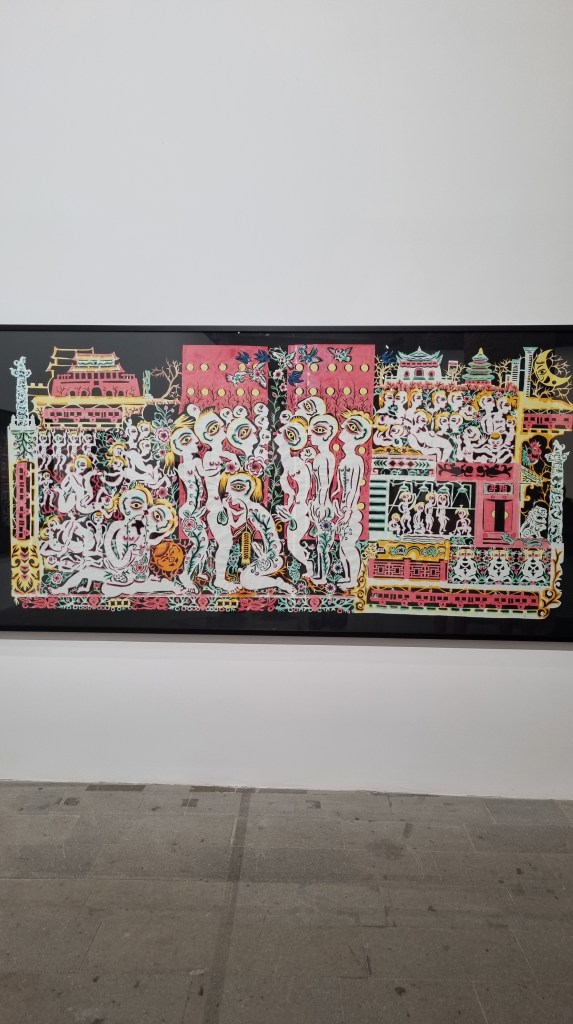
It is a very interesting look into histories and lives of people from other countries, especially the histories we as Europeans might not be as familiar with or accustomed to. Represented is also general historical amnesia (things we just put under the rug), things I would probably never see and know if they weren’t shown here. You can really spend hours and hours exploring history and reality, so take your time when visiting.
GIARDINI – NATIONAL PAVILIONS
The whole Biennale is a message that calls for openness and tolerance and just general being, reminding us we are all human.
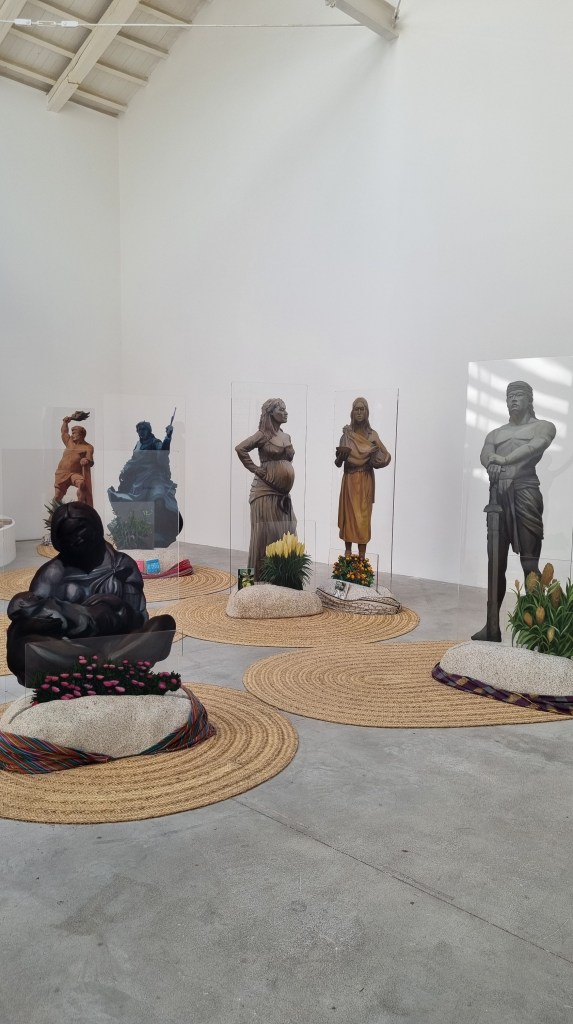
Through art, ‘it is for us to remember those who are on the margins, dispossessed, invisibilized, imprisoned, and whose rights have been violated – even in infertile soil, there is always a possibility of resurgence and resistance’ (as Brasil Pavilion shows us). We all have responsibility towards fauna and flora, our World and the people walking on it. This is also represented in Czech and Slovak Pavilion – dealing with animals in captivity (telling a story of Lenka the Giraffe, captured in Kenya and brought into Prague Zoo), opening more and more topics of complexities of how we deal with the world.
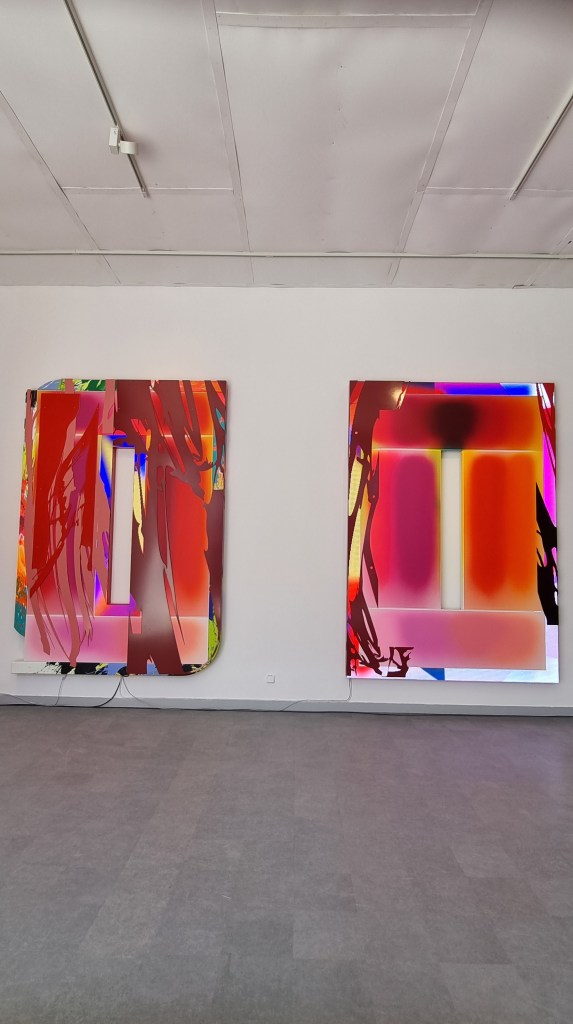

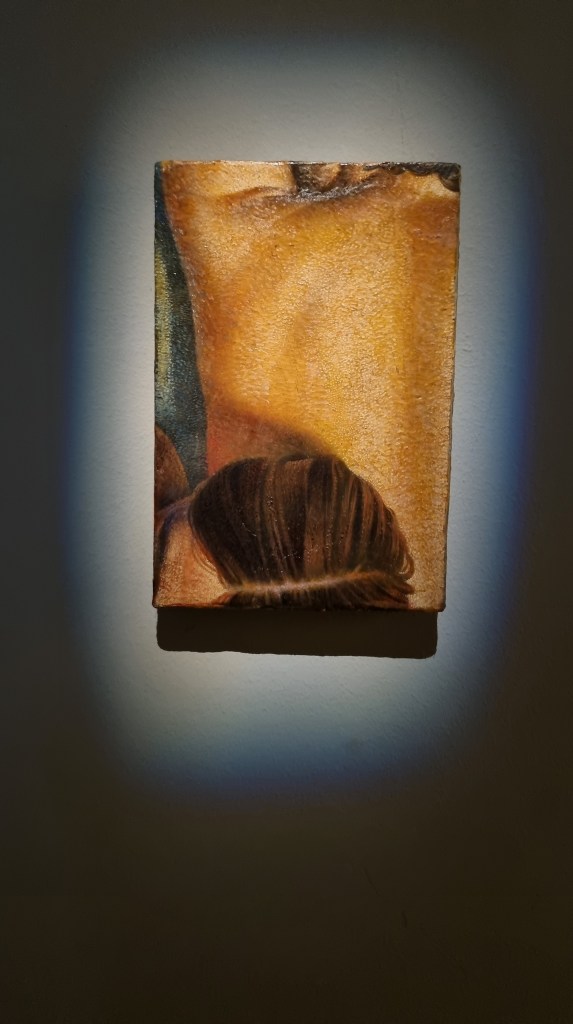
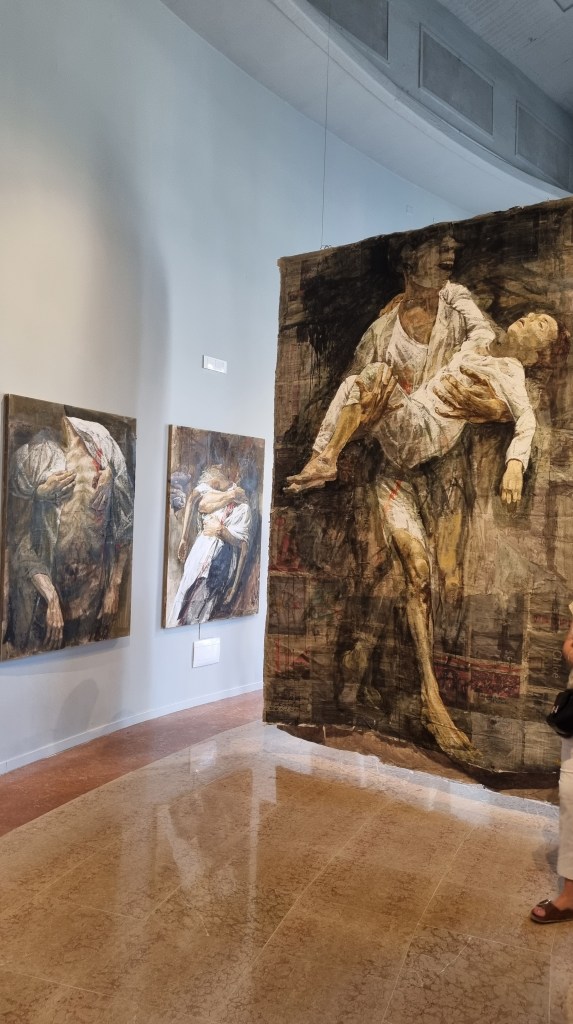

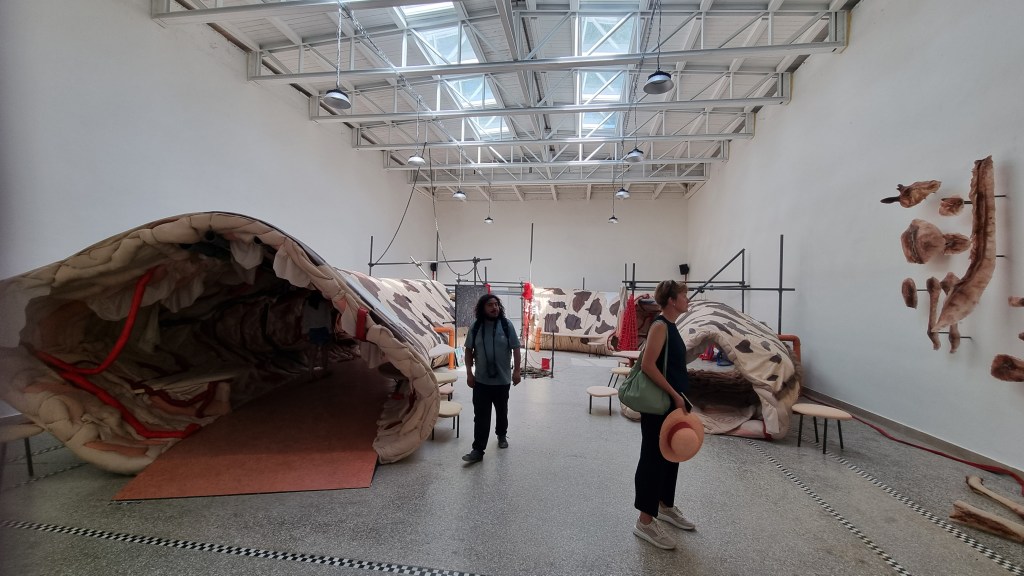
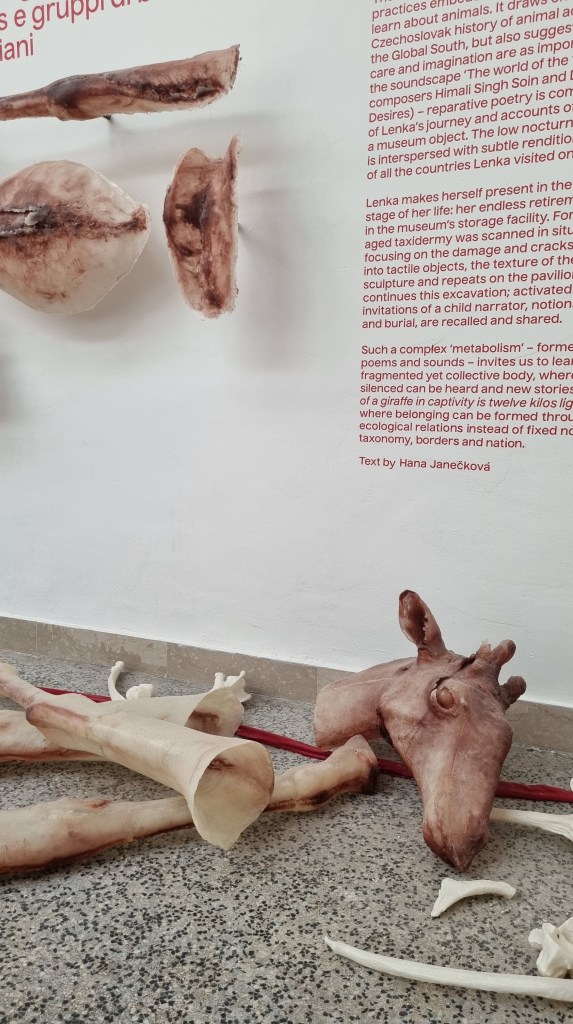
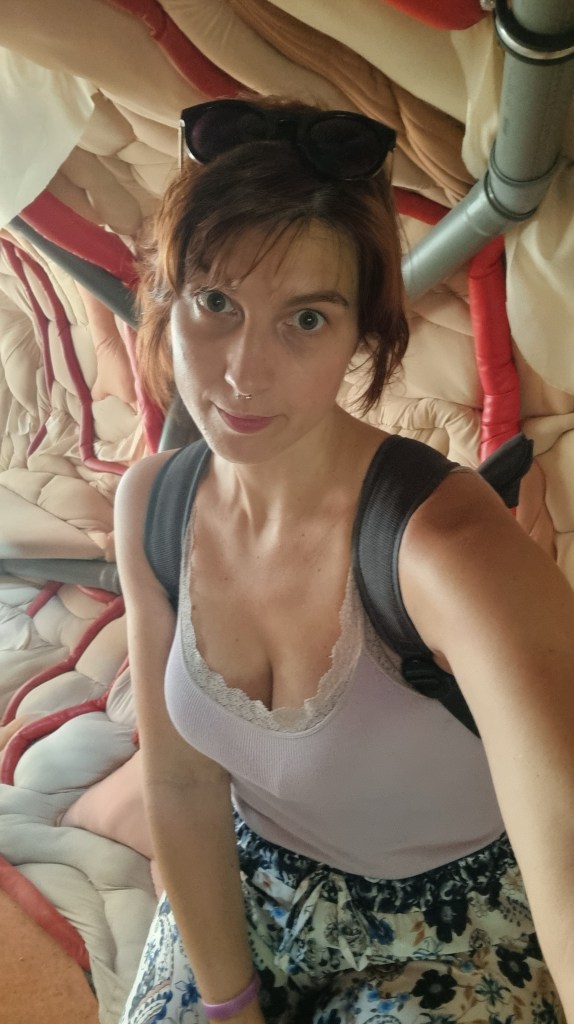
As usual, some artworks are very hard to see, they go directly through your heart and you just want to run away – but you stay there, powerful, not running away and closing your eyes in front of what you ‘don’t want to’ be faced with. Because it is there, so huge in front of you, you can’t turn a blind eye. It really is on you what you do with what you are seeing..and you better do something..
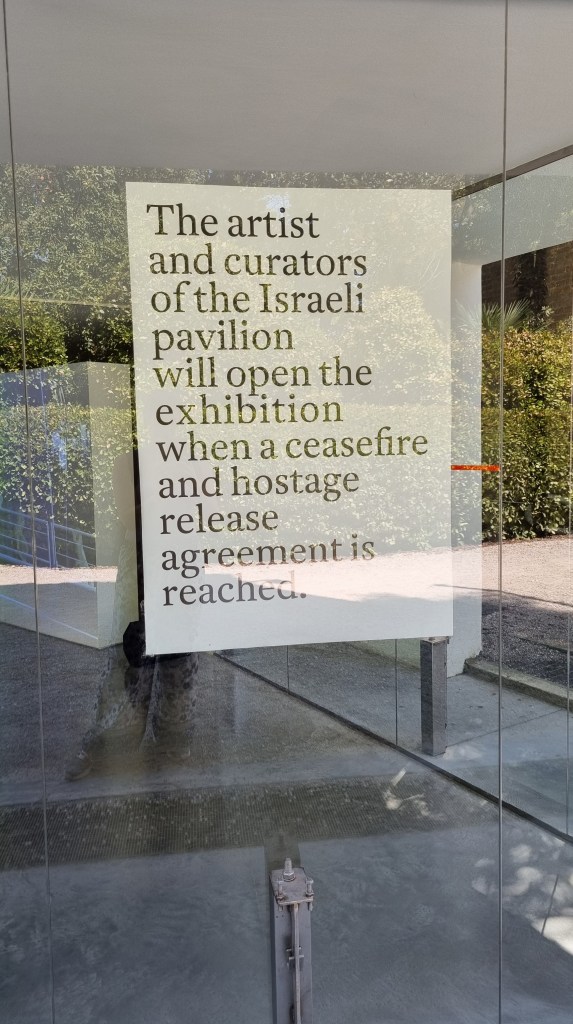
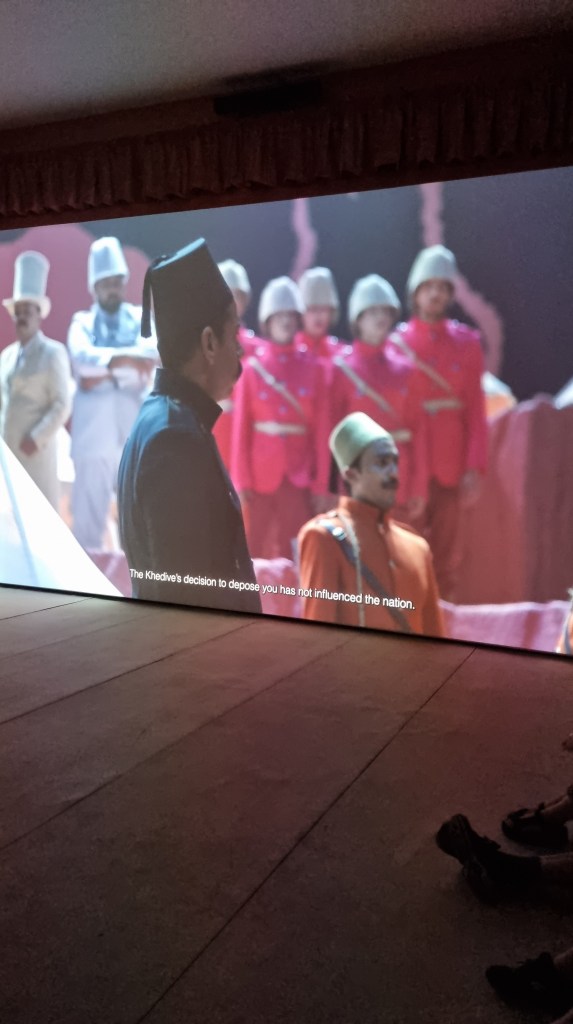
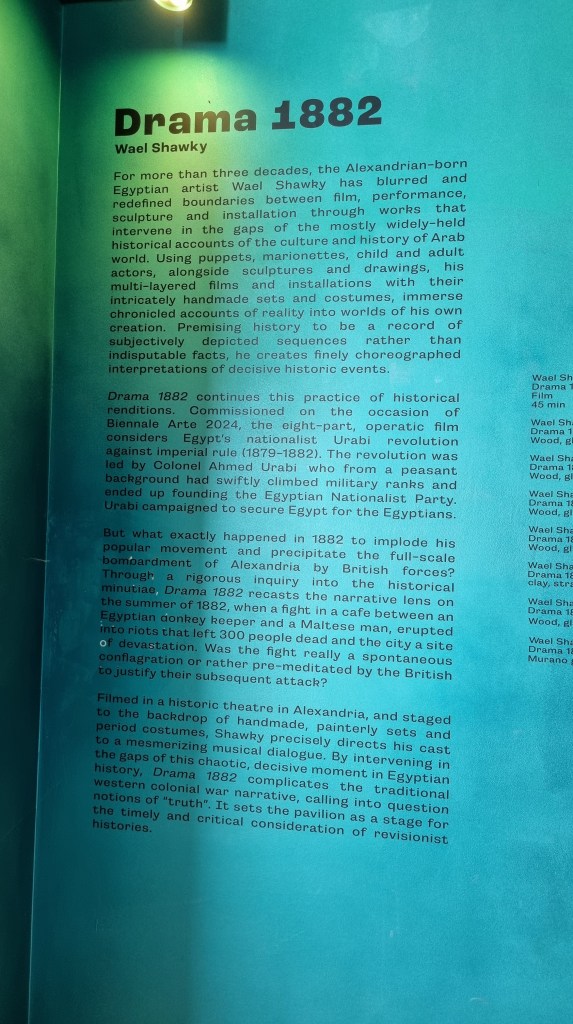
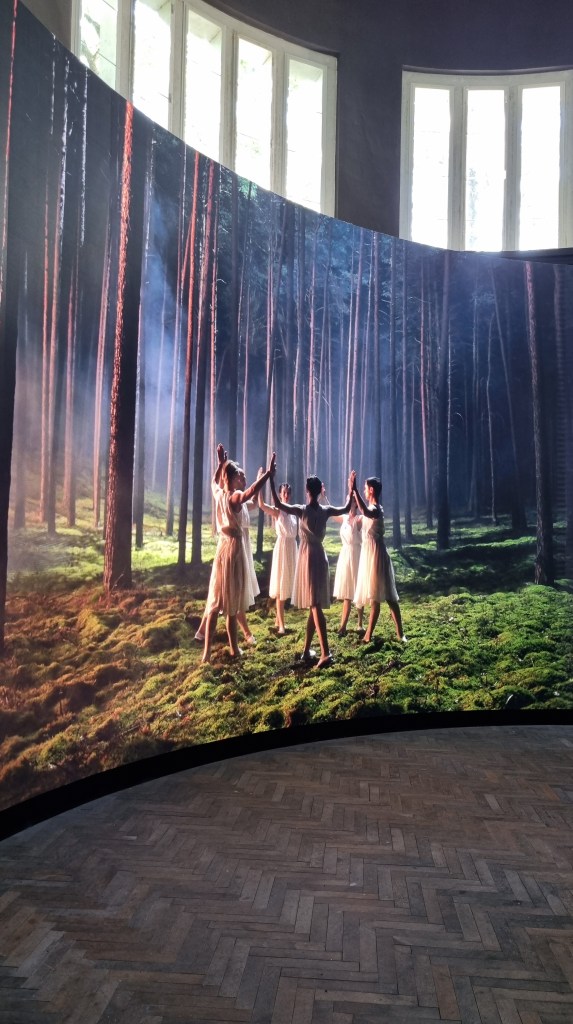
Some works are retelling the historical events, showing new discoveries, helping you find out the factual truth. For example, Egyptian Pavilion has this awesome film (‘Drama 1882’ by Wael Shawky, a mesmerizing musical dialogue, critically narrating one of the most important events in their recent history). We all sat through the whole thing, even though it is quite long, but you were not able to walk out. When the credits started rolling, we were all sitting in silence, no one even moved an inch, just staring into the screen – really showing you how much power art actually has.
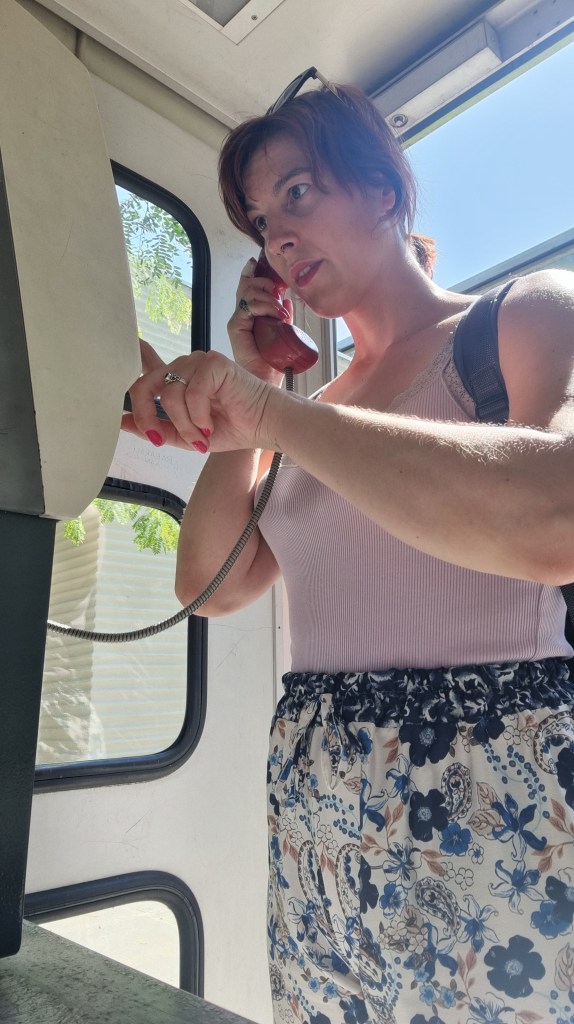
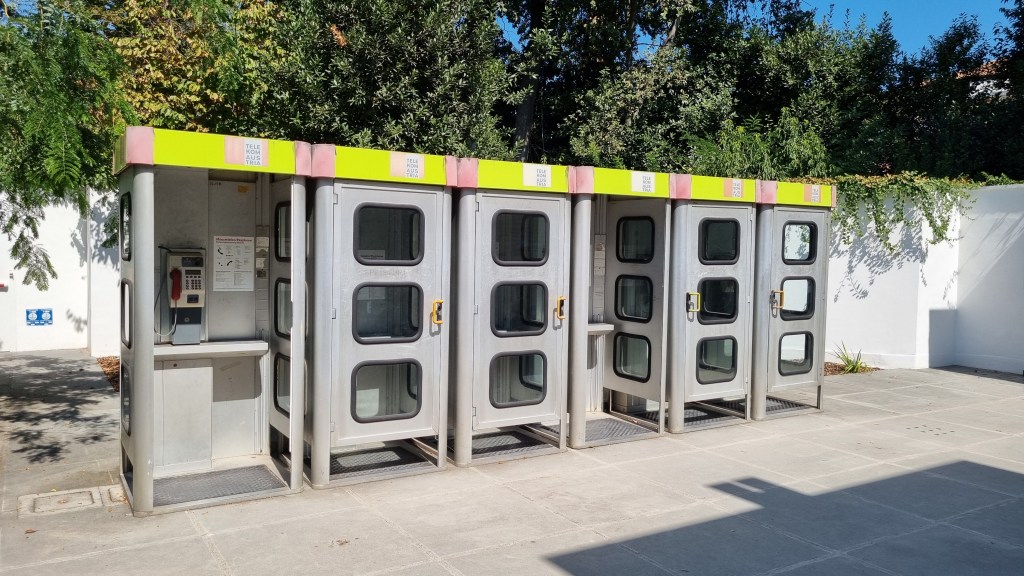
In general, there is also a lot of interesting historical artefacts exhibited, as well as things that were used in special events throughout more recent years. Like phone booths in Austrian Pavilion, used in one of their camps for refugees to call home – some of them still working, so you can call your own loved ones. Or did you know that when in postwar Soviet Union people were banned from owning vinyl music records, their engineers developed a way to print the albums onto used x-ray films hospitals have discarded? Biennale, truly as a historical museum of unknown facts, discoveries, realizations through the artists eyes.
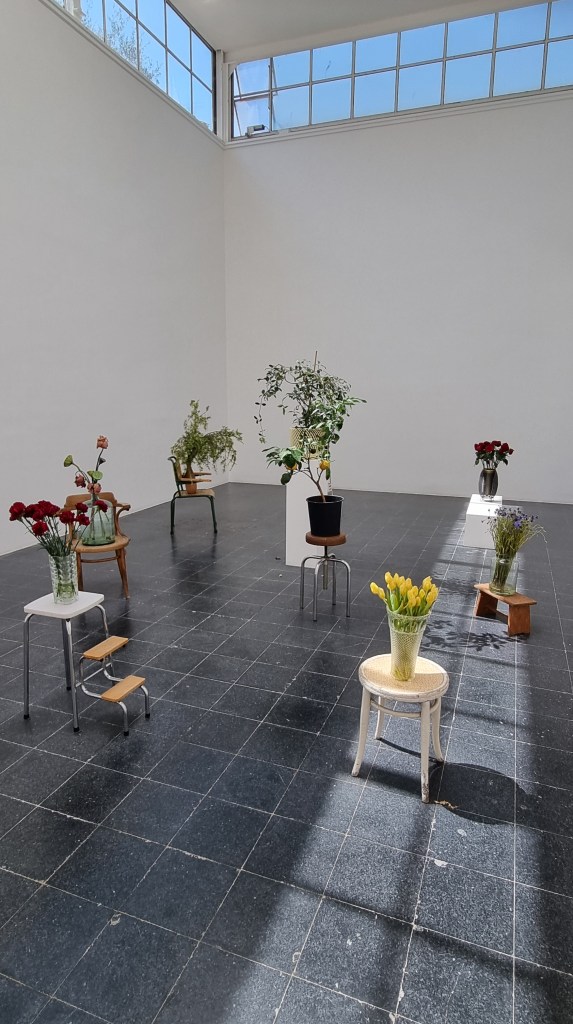
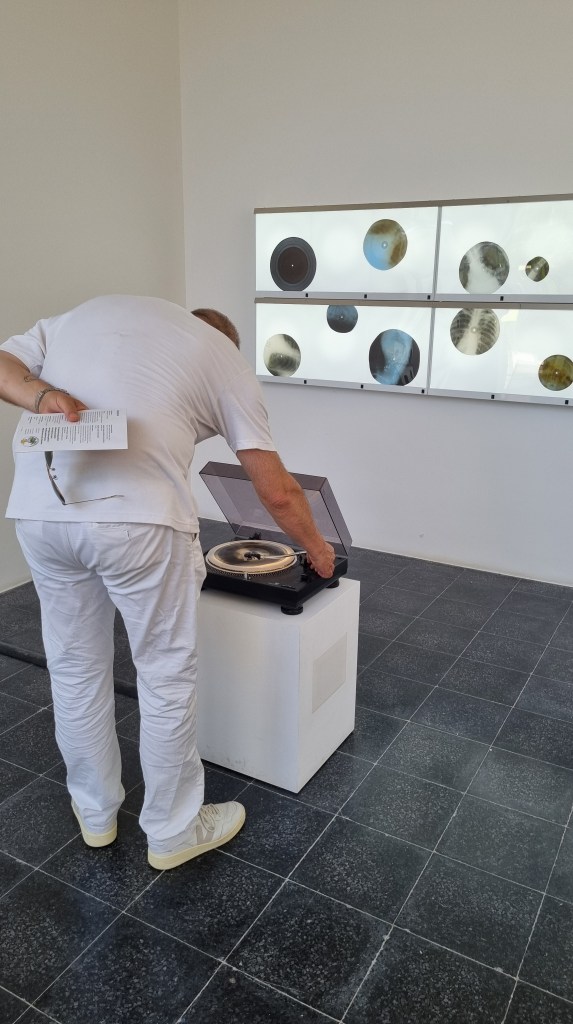
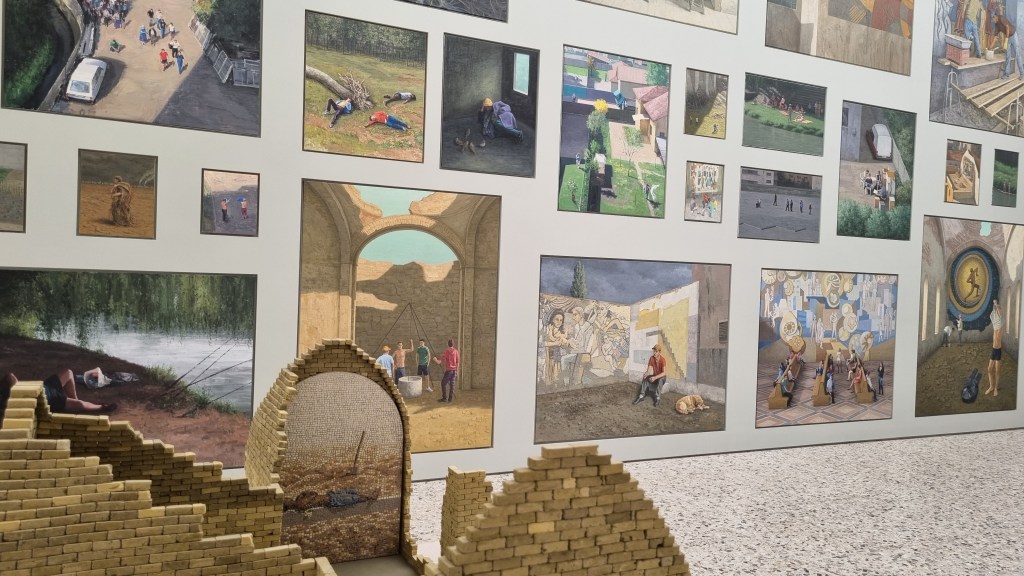
Some pavilions are very visually and sound appealing, you stand there immersed in literal life, experiencing it with all of the senses. At that point in time, I realized how much I actually miss visiting galleries and museums. As my life has put me on a bit of a different path, unfortunately I don’t take enough time to go and visit art as much as I used to. And in a way, that is actually a blessing in disguise, because I felt like a kid in a candy shop, truly immersed into what I was seeing and experiencing. Sometimes we need a break from something, to enjoy it even more later on, would you agree?
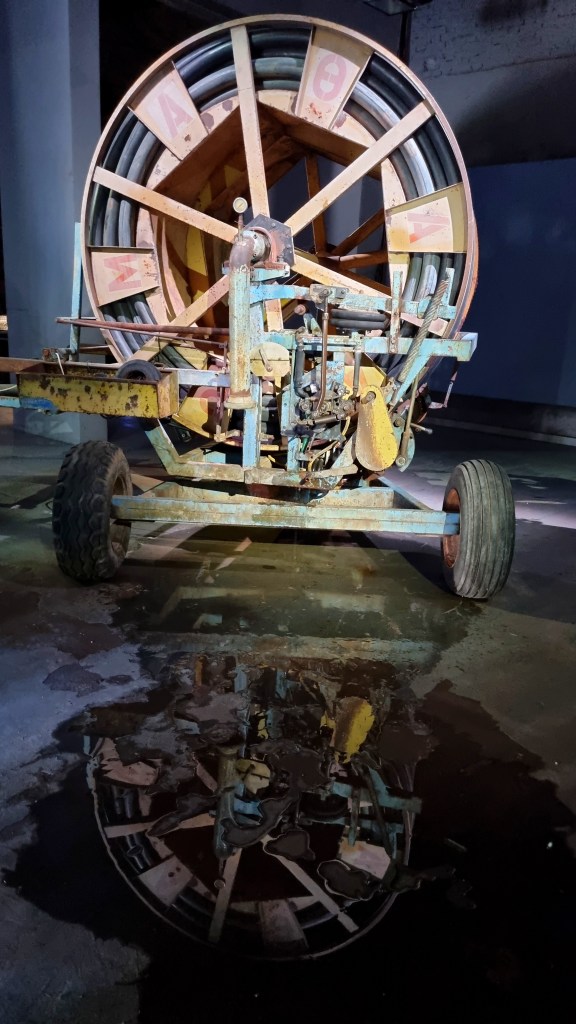
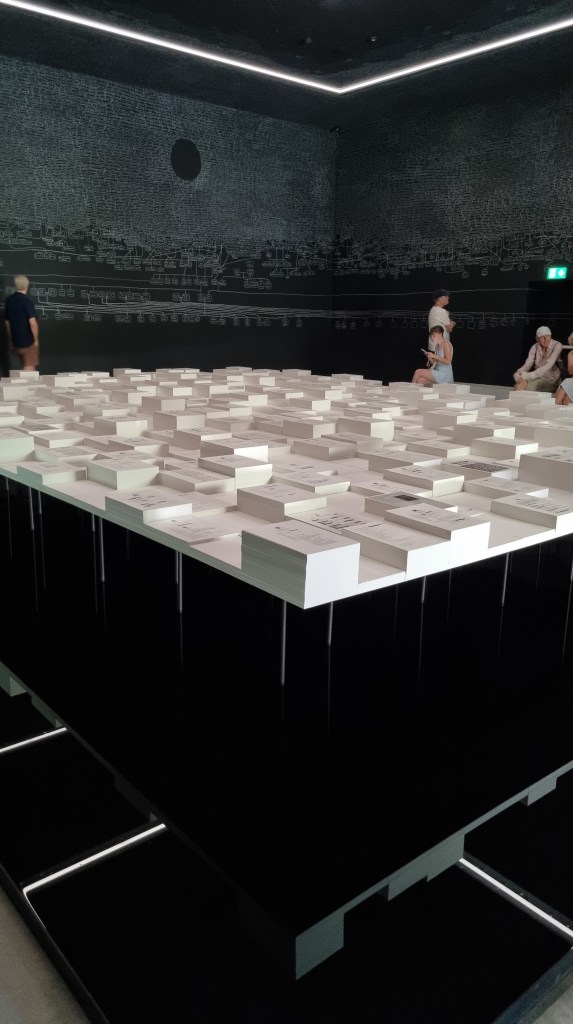

When I entered the French Pavilion, I was in awe, it is so beautiful and amazing, was really enjoying how it feels like it is made out of imagination. However, when the music started playing, my whole world shook – it is hard to explain, as it was so beautiful and so unsettling at the same time. I couldn’t stay inside for a minute longer, my heart started pounding as hell.. And kudos to the French, I feel they achieved exactly what they were aiming for!

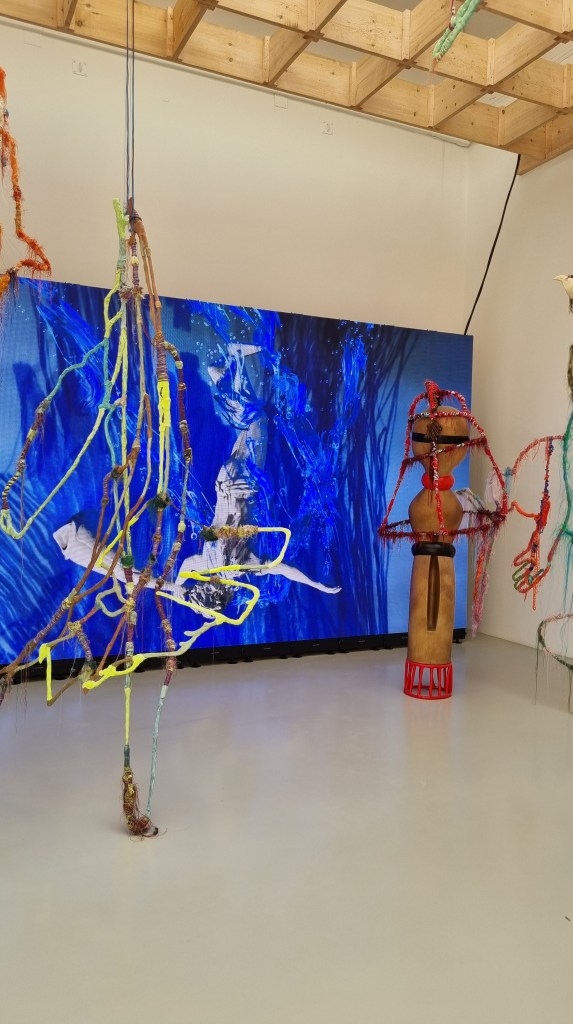
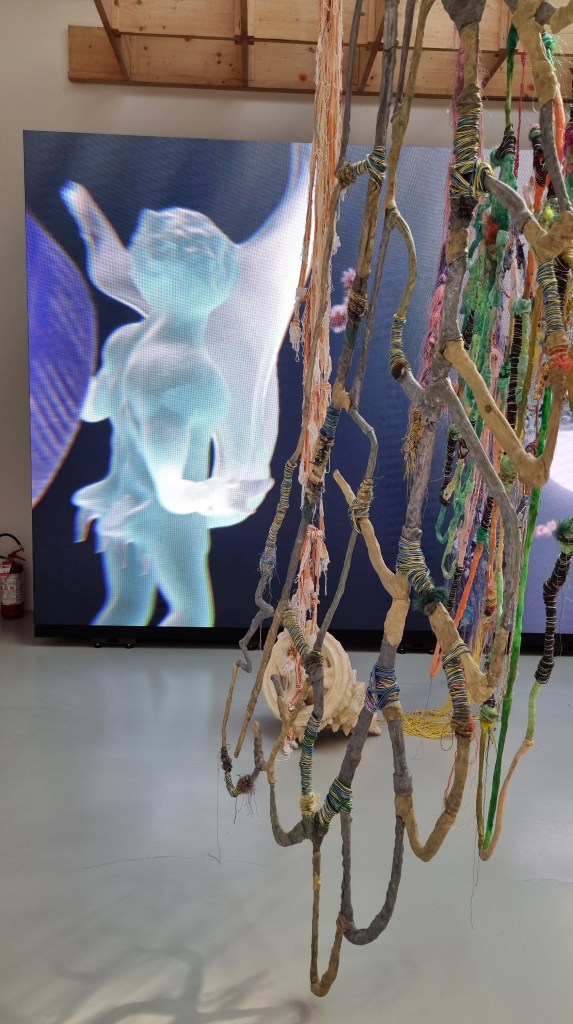
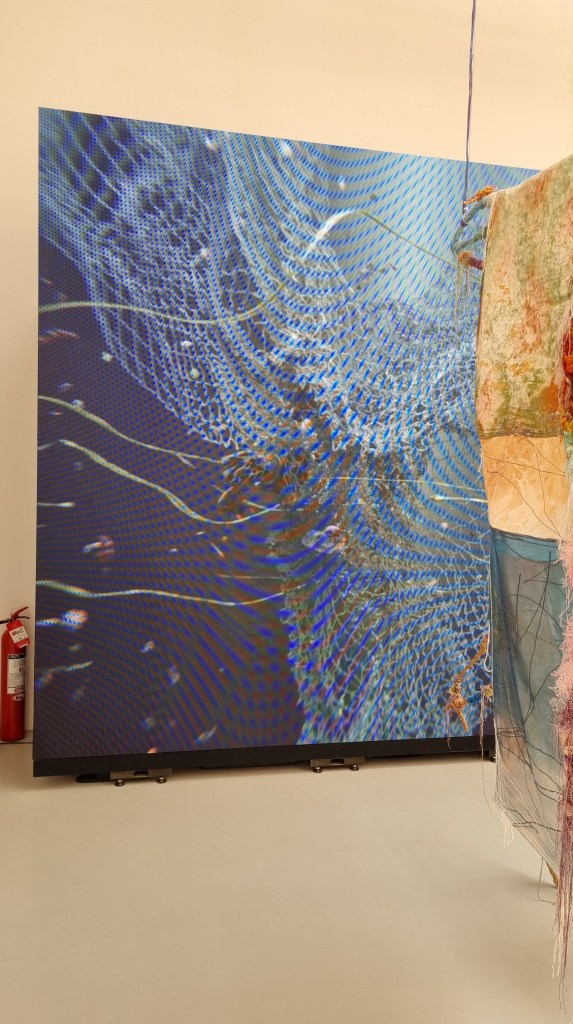
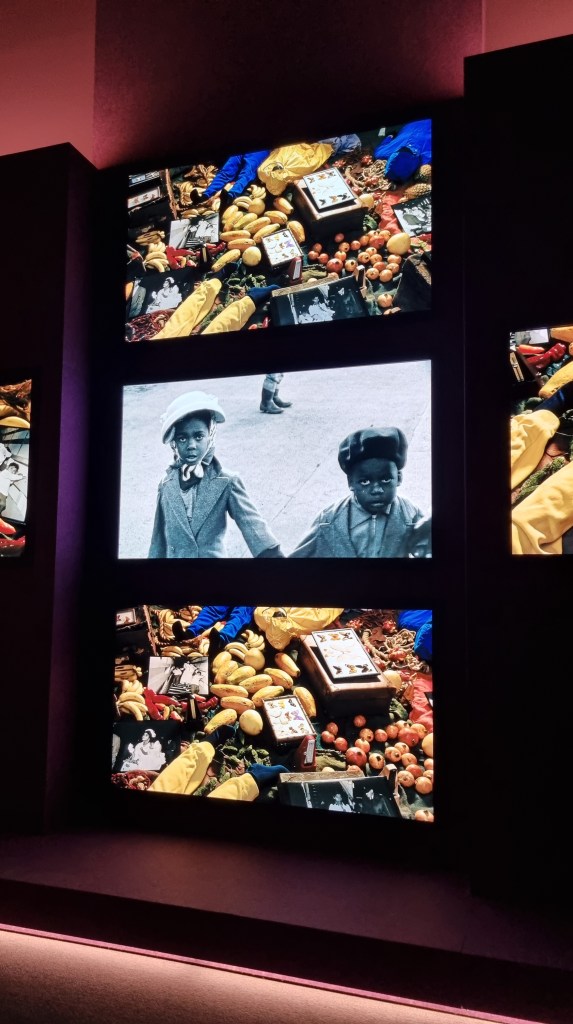
After visiting British Pavilion, I felt like I found another description that can encapsulate exactly what 2024 Biennale is all about – especially the monumental works of John Akomfrah: ‘to reposition the role of art in its ability to write history in unexpected ways, forming critical and poetic connections between different geographies and time periods.’ And a quote from Pauline Oliveros: ‘Listen to everything until it all belongs together and you are part of it.’ Just look, listen and you will understand..no words needed.

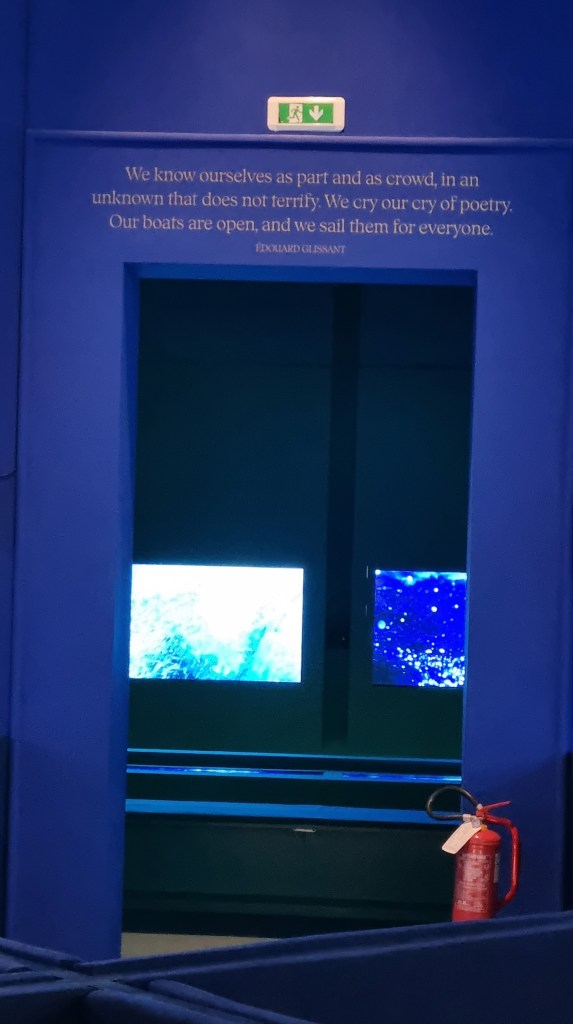
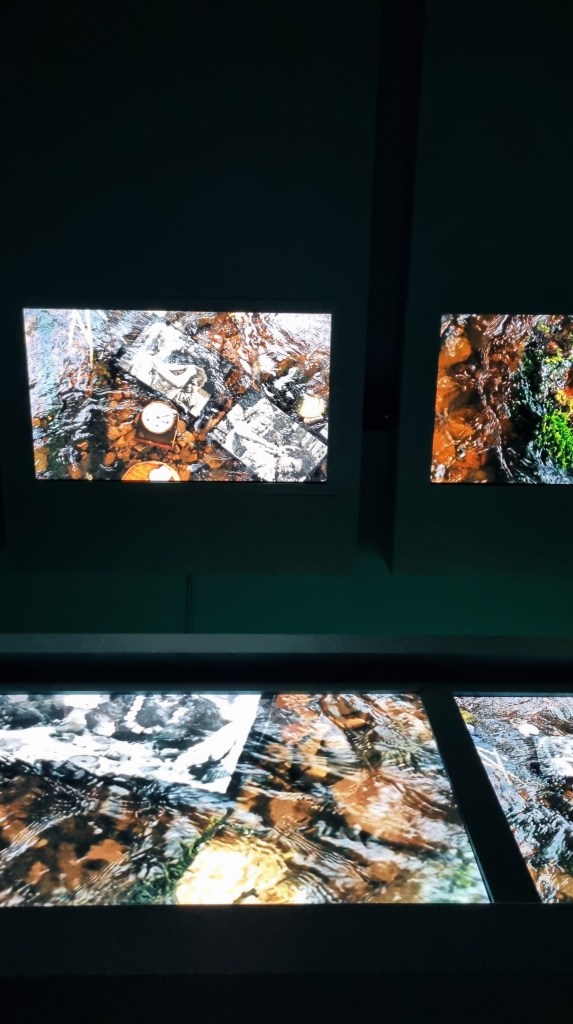
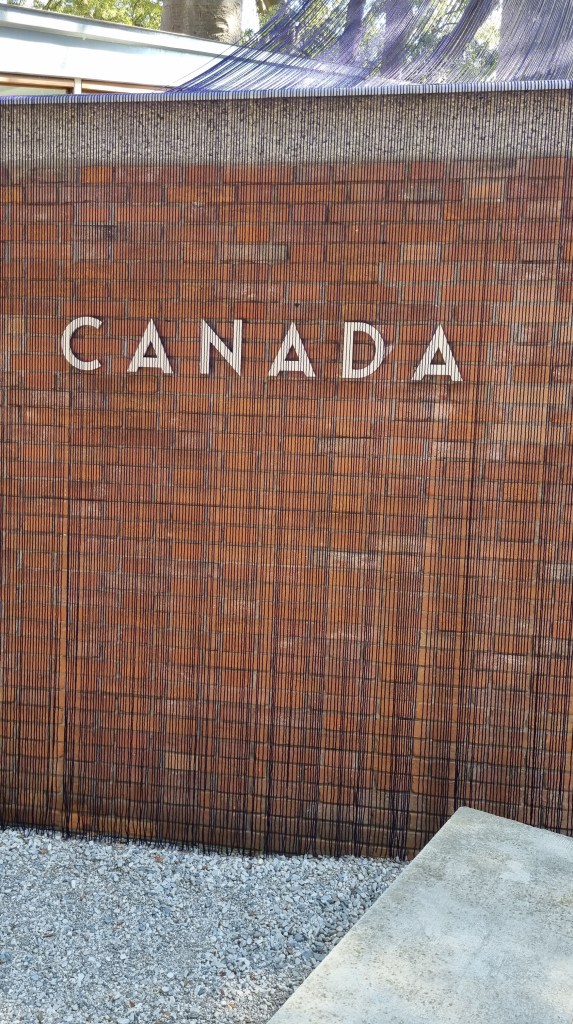
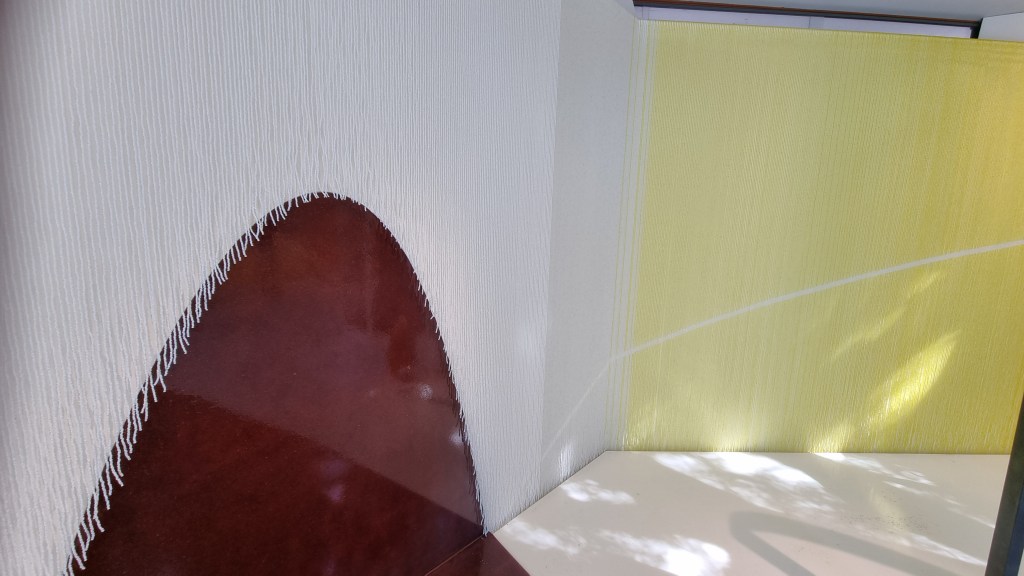
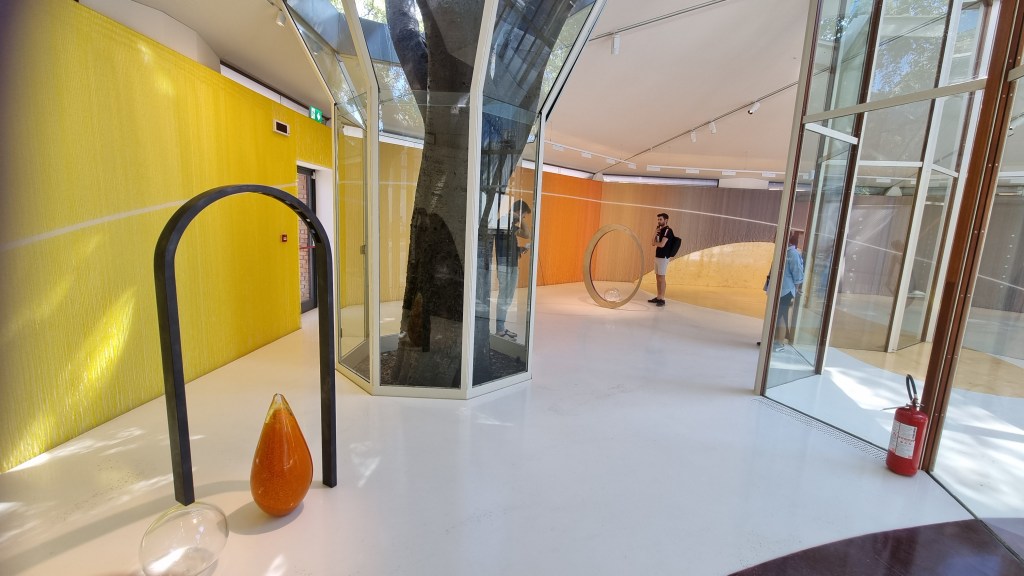
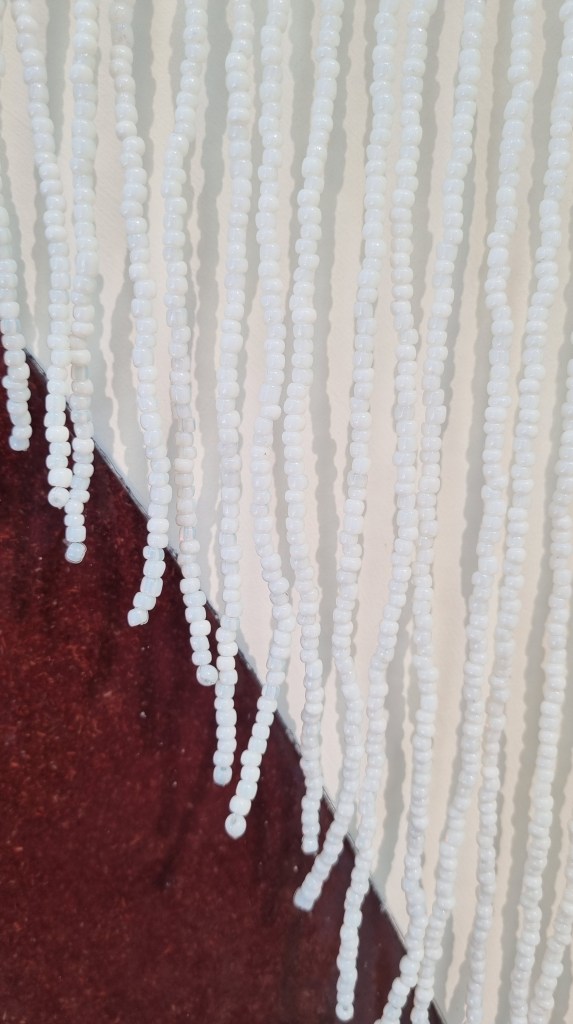
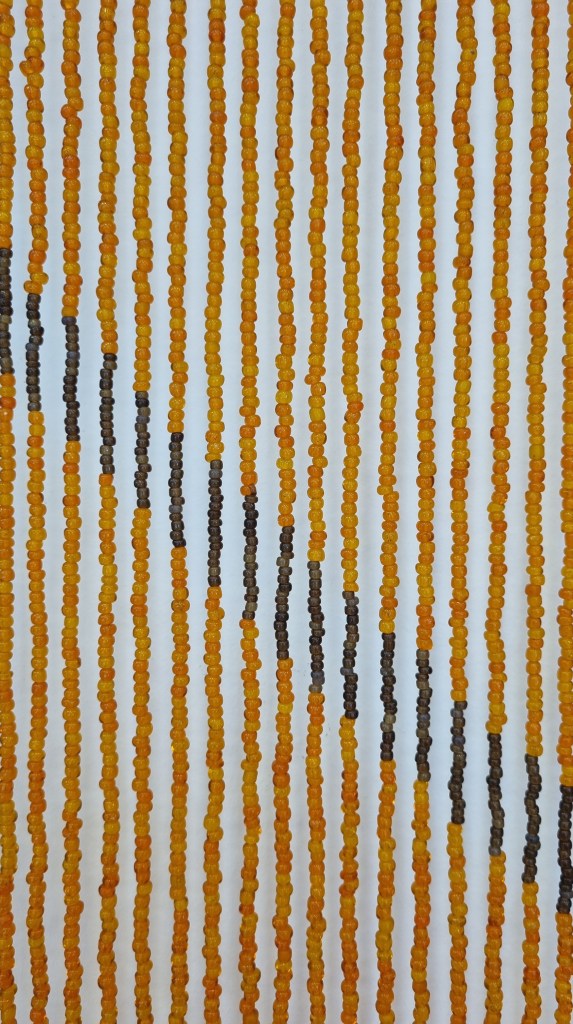
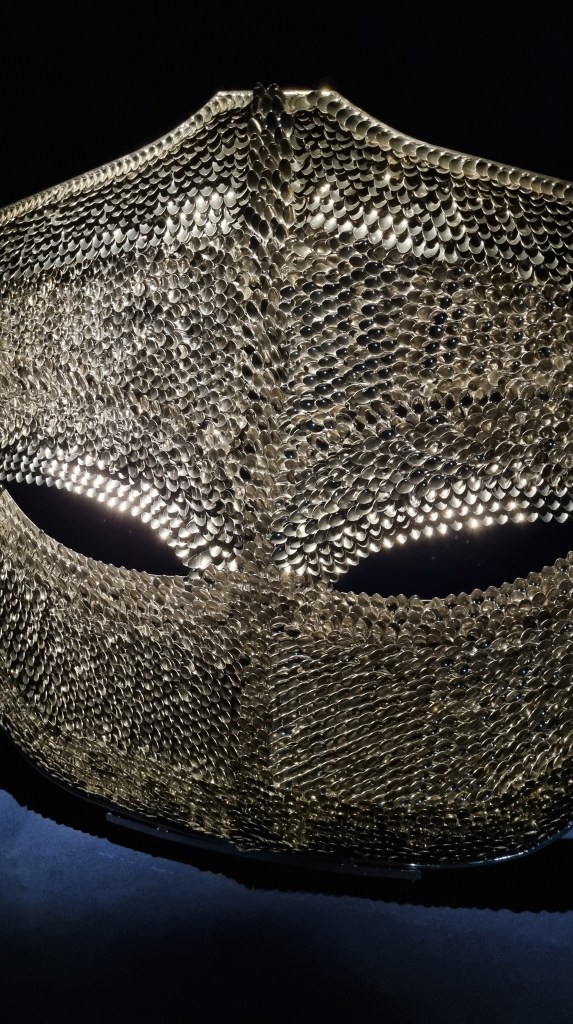
The resilience of countries and cultures is represented widely: for example in Canadian Pavilion, walls are made out of Murano glass beads, which were dispersed in considerable amounts from 16th Century onwards. This beautiful and intricate artwork is showing and reshaping the understanding of the economies of our societies and the worth of different things. And I can’t even imagine how many hours of work went into that presentation, it is just crazy. But again, showing resilience, focus and strength.
Then, probably because I was still so much under the spell of what I just witnessed, I somehow managed to lose my credit card (don’t even ask how, must have been magic..). You would not want to see in how much distress I was, just thinking to myself: not again, not again, not again… Of course I started running around like a headless chicken, looking on the floor and the faces of people if they maybe saw it somewhere. In the middle of all that, I almost broke my foot again, but I was immediately healed, as the lady from British Pavilion gave me my card back with a smile on her face. Anna, thank you so so so much for looking out for me ❤
After that experience I needed some time to get my heartbeat and my breath back, I regrouped and started to enjoy art again through my non-stressed eyes. Did you know I also teach stress-release techniques on the go? That sure came in handy in that situation *wink wink*
German Pavilion was a different experience all together, very other-worldy, but with legs on the earth moment. I immediately called my German best friend and made a video for her, as she was not able to be there with me. It was then I noticed my card was missing, so even though it looked freaking amazing, I was not able to immerse myself full into it. Thank god for all my videos and photos, so I can enjoy it now..


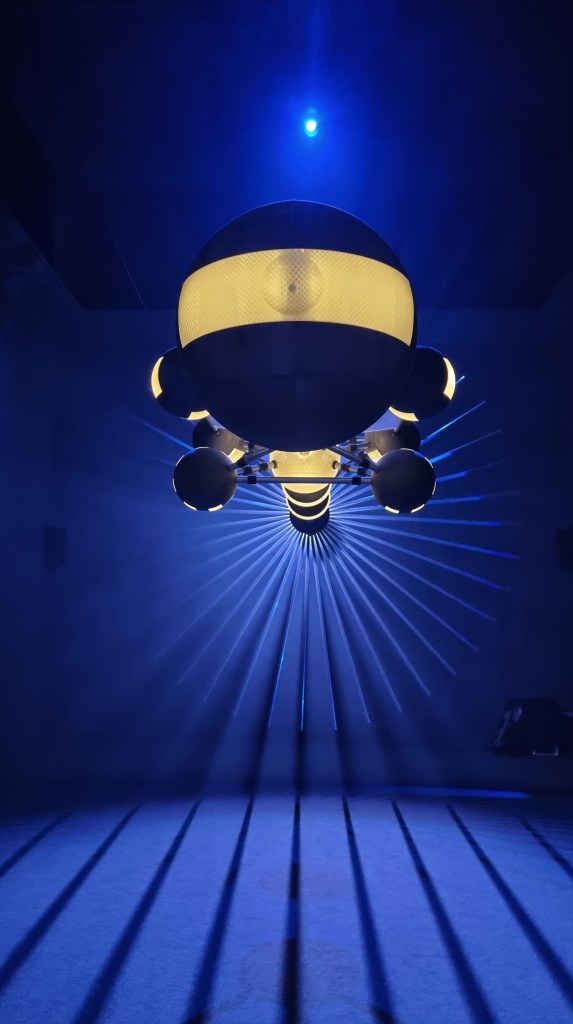
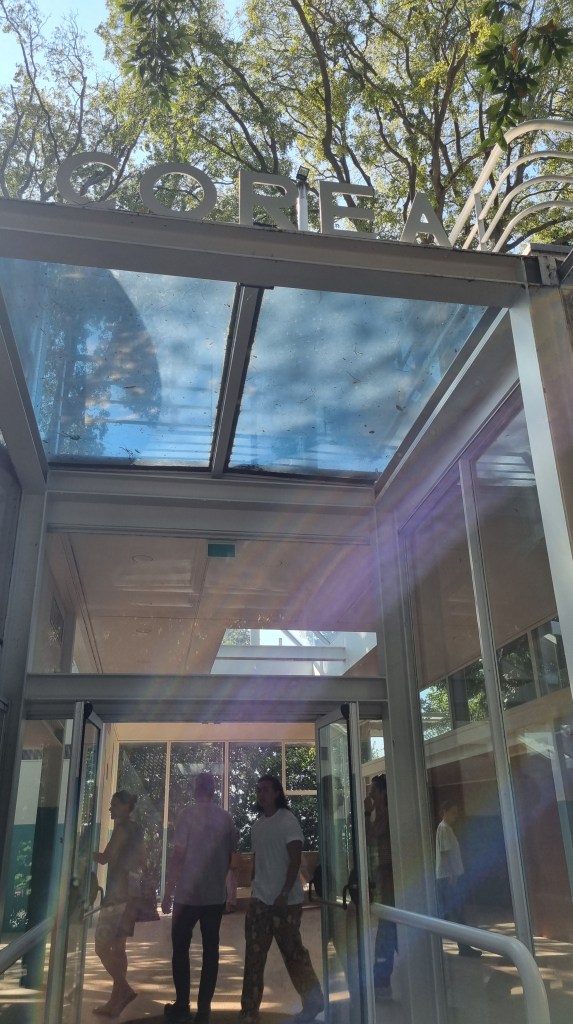
I was really looking forward to seeing the work in Korean Pavilion, because it is pretty out there usually and when I walked in there, it was completely empty (with the exception of that one dude in one of the rooms). But the scent just hit me all at once, it was so strong, but nice and peaceful (really helped with my previous stress as well). So, what it is is, the scent is what is actually exhibited. Yep, I give it to them, they are still pretty out there..
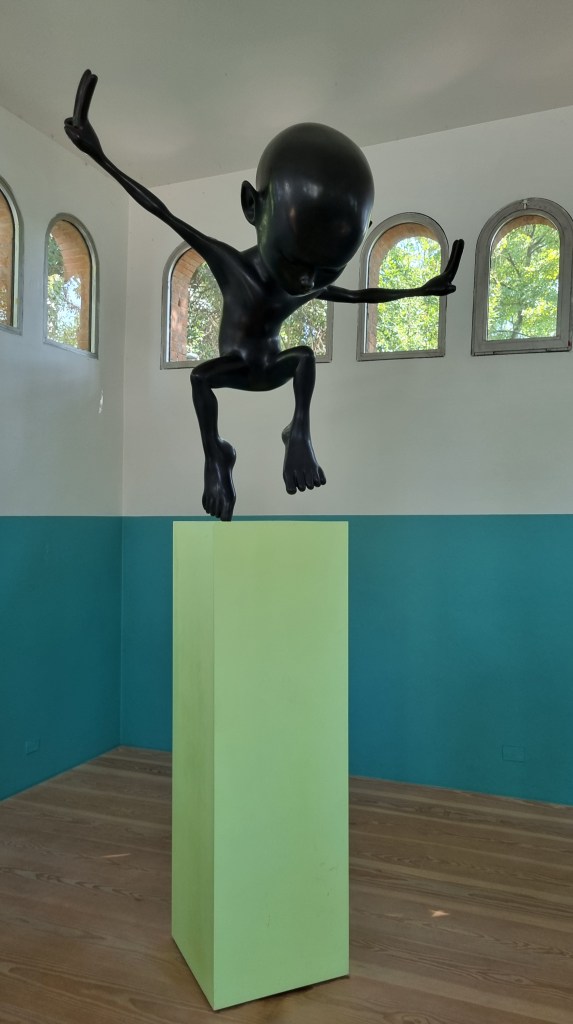
Japanese Pavilion (which is frequently also one of my favourites) has rotten fruit in it that is making electricity, changing the look of the exhibition every day, as the fruit rots even more, really encompassing all the parts of being a human being.
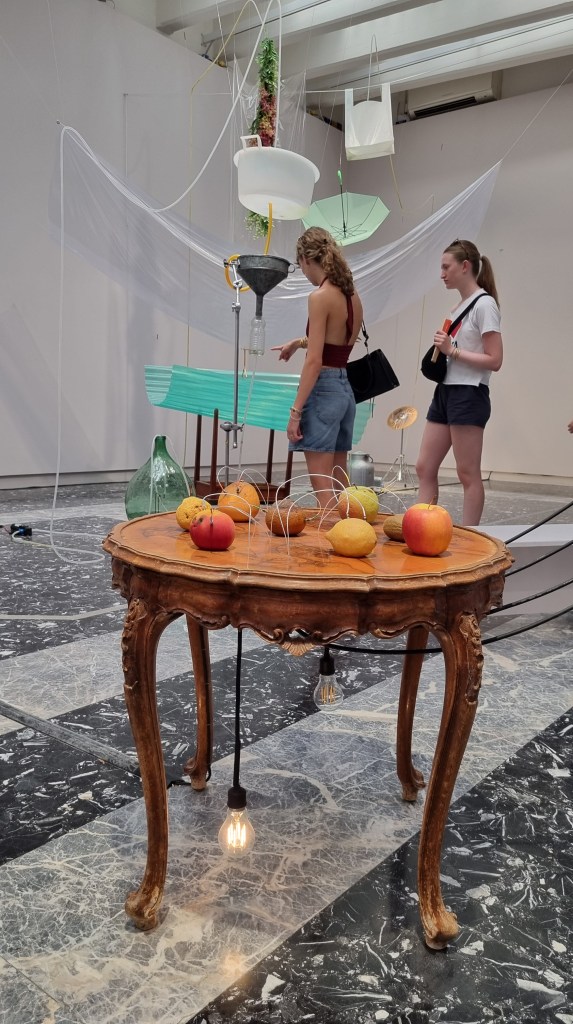
Always impressed with all the participating artists and countries and their interpretations of the same subject – human imagination really has no bounds. Seeing similar topics from different angles, through different eyes and narratives is life to me.

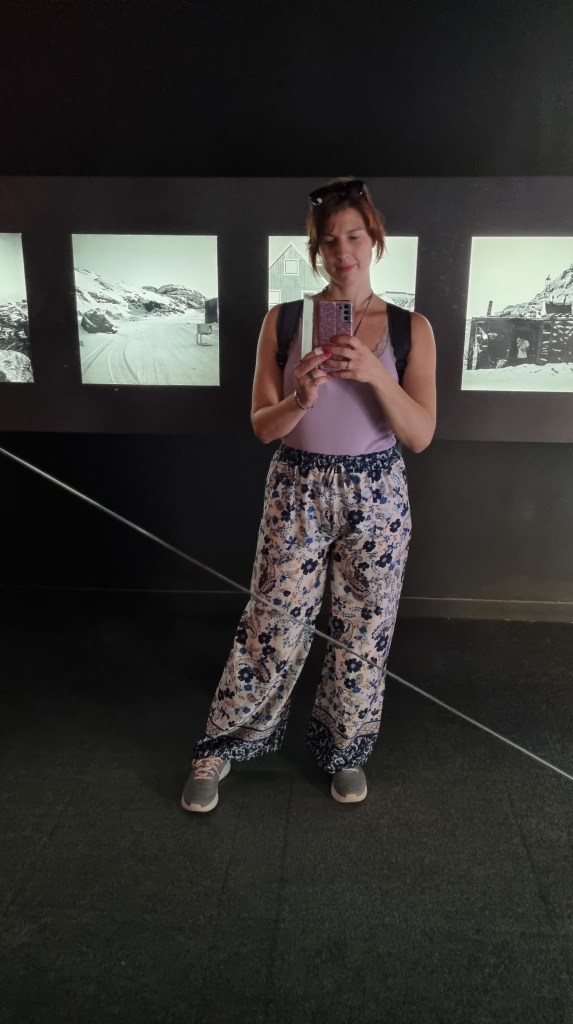
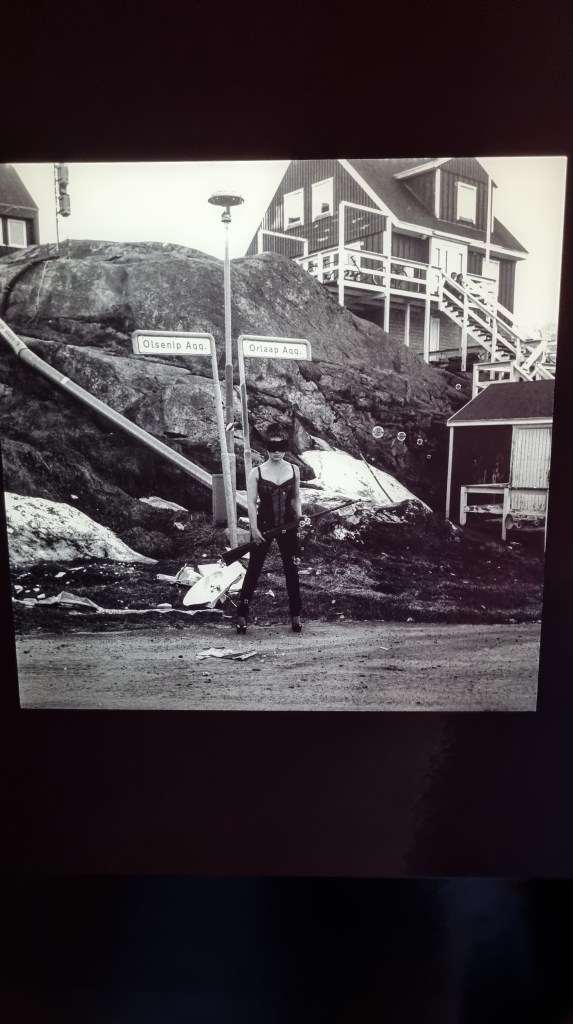
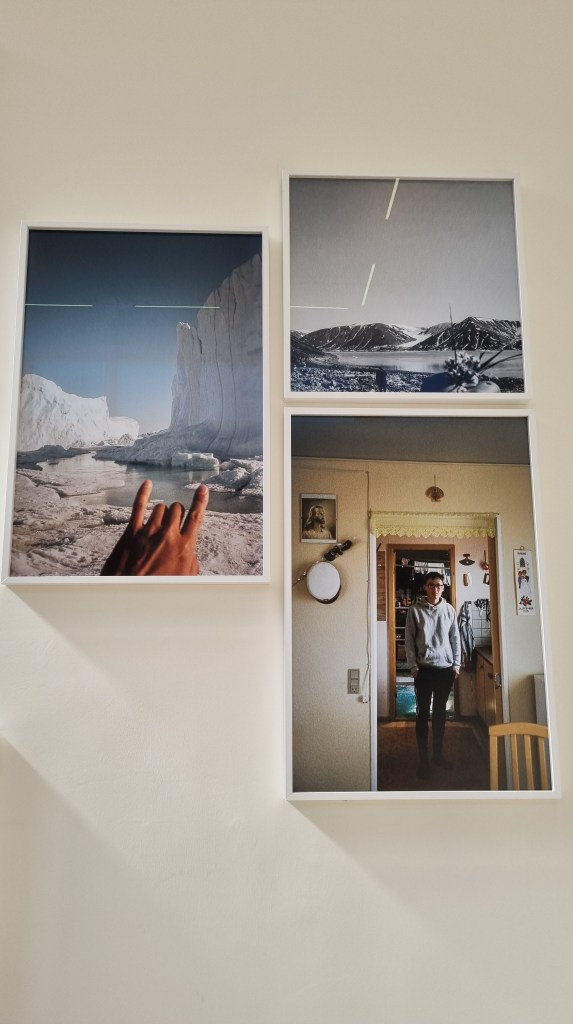



ART IN THE CITY
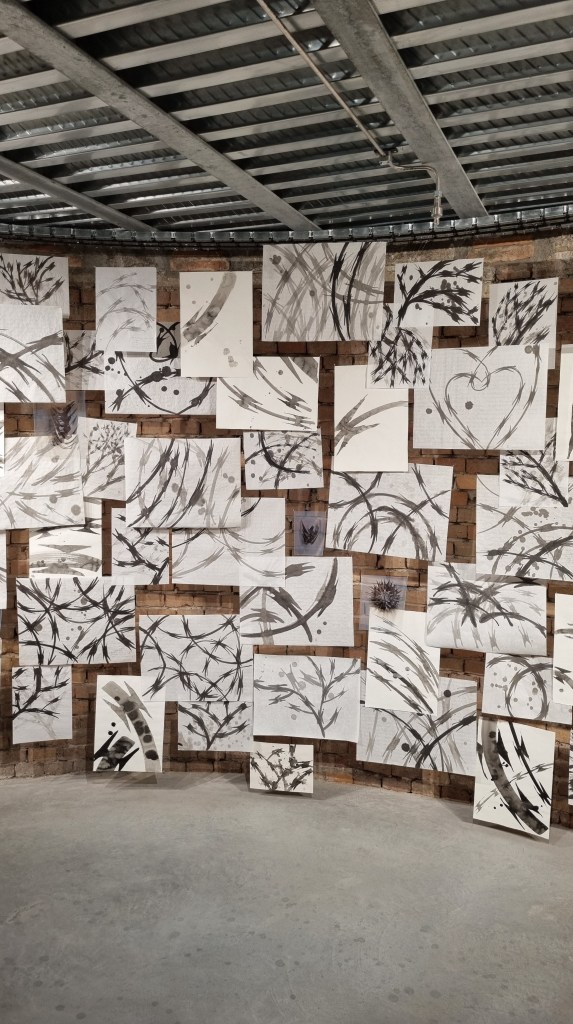
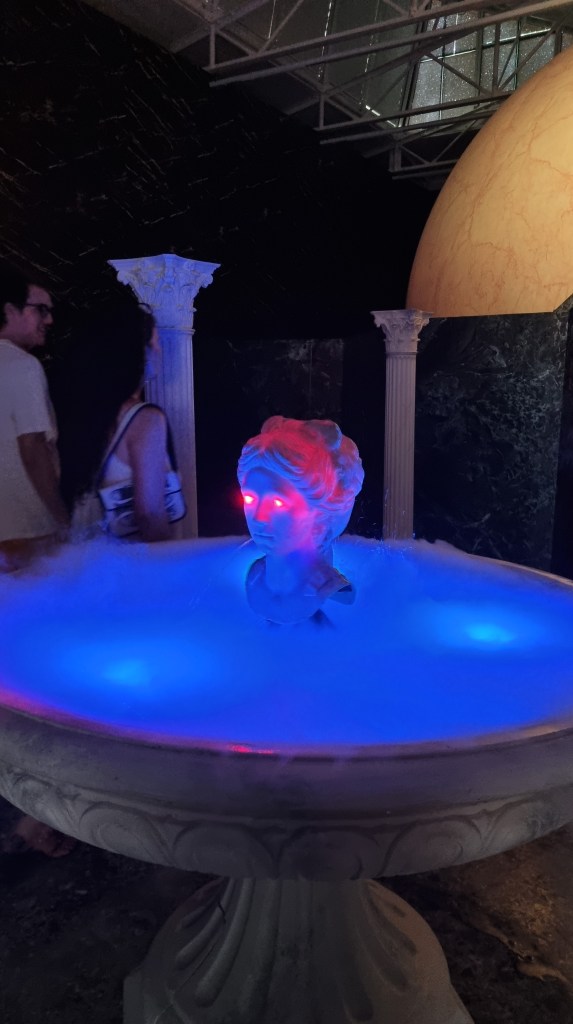
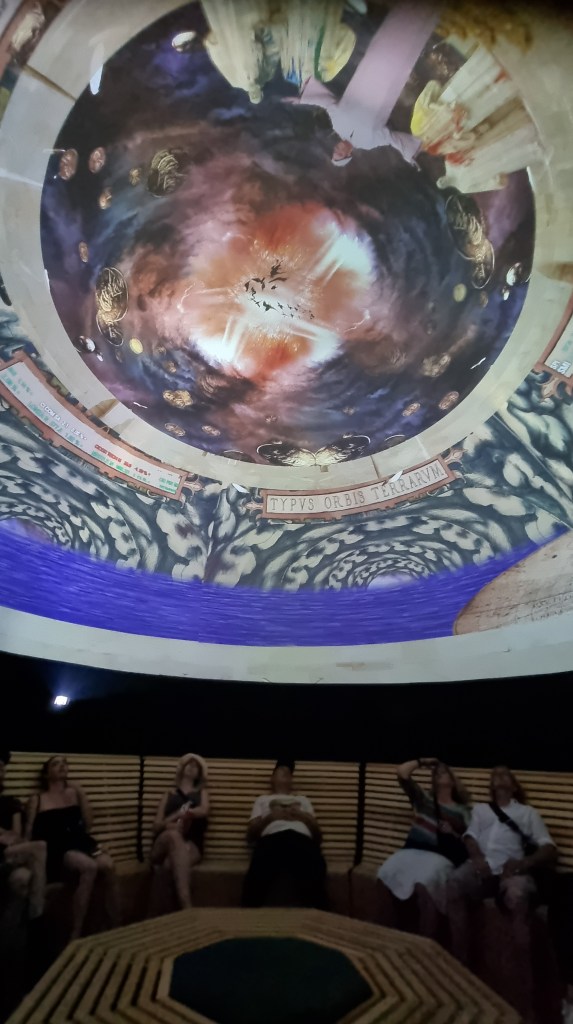
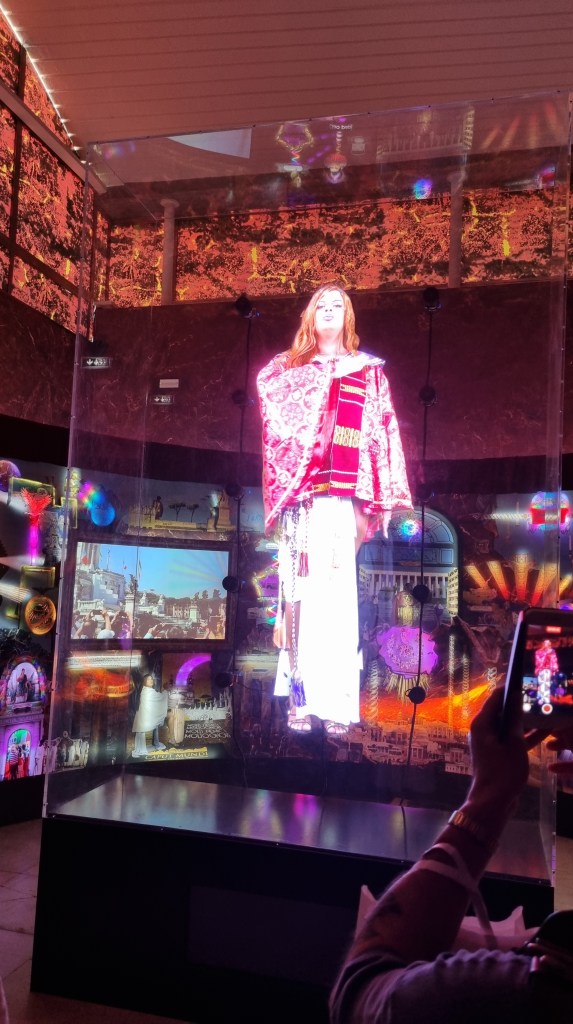
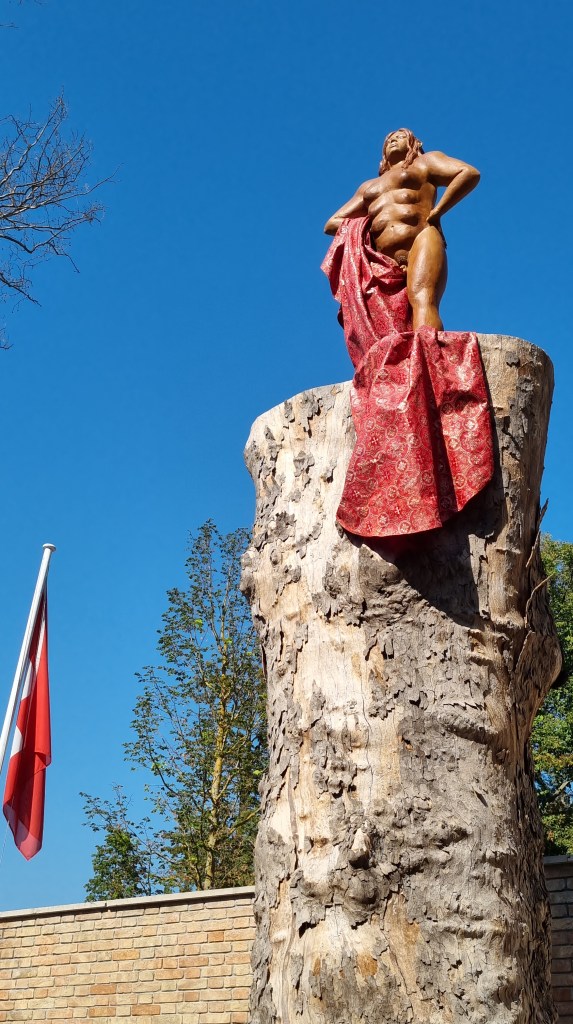
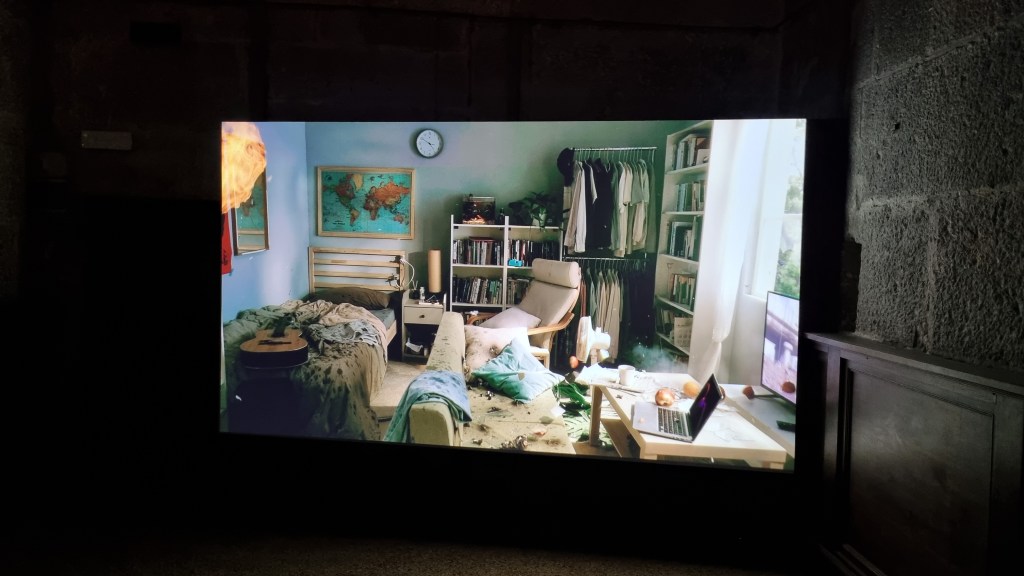
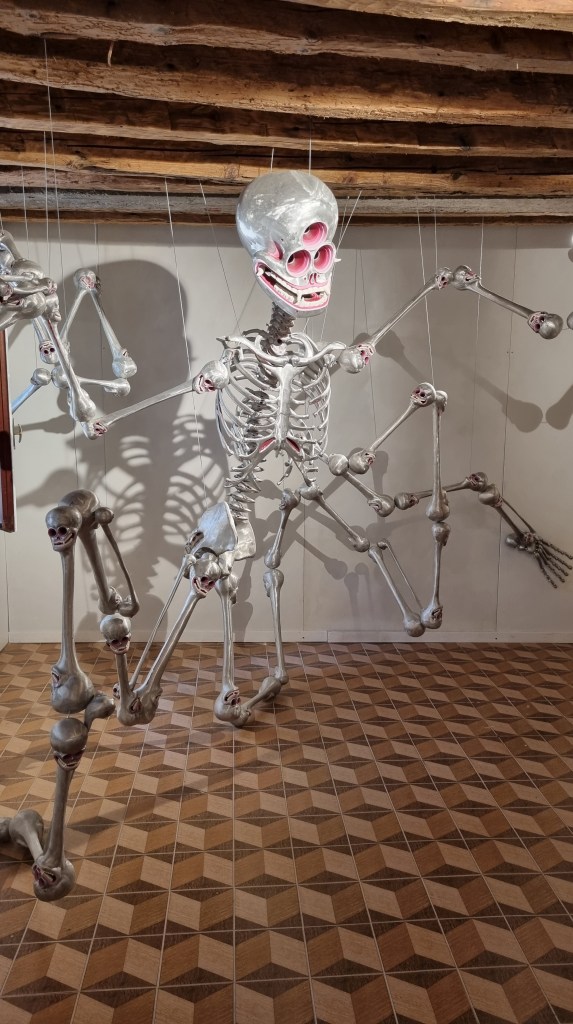
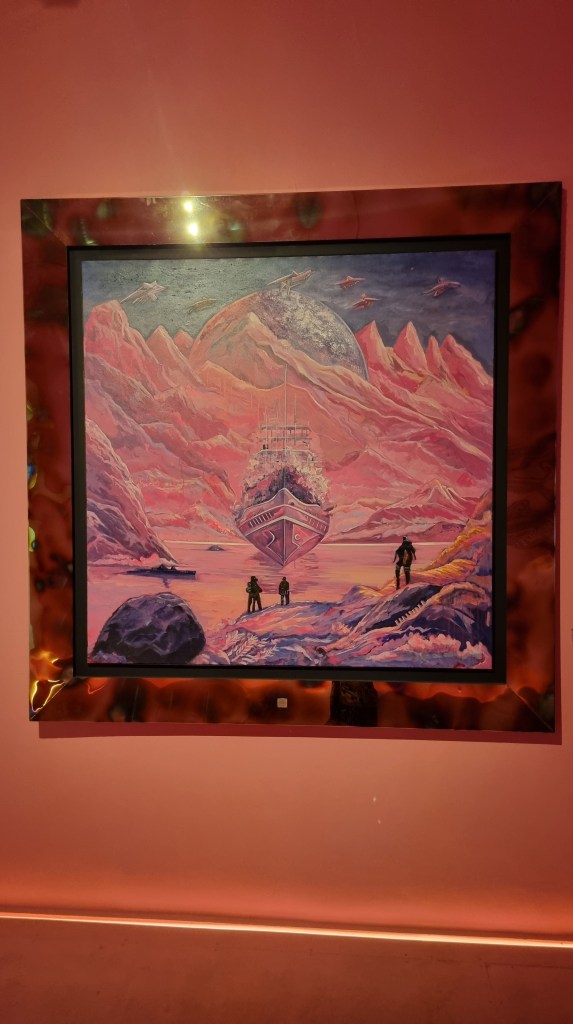
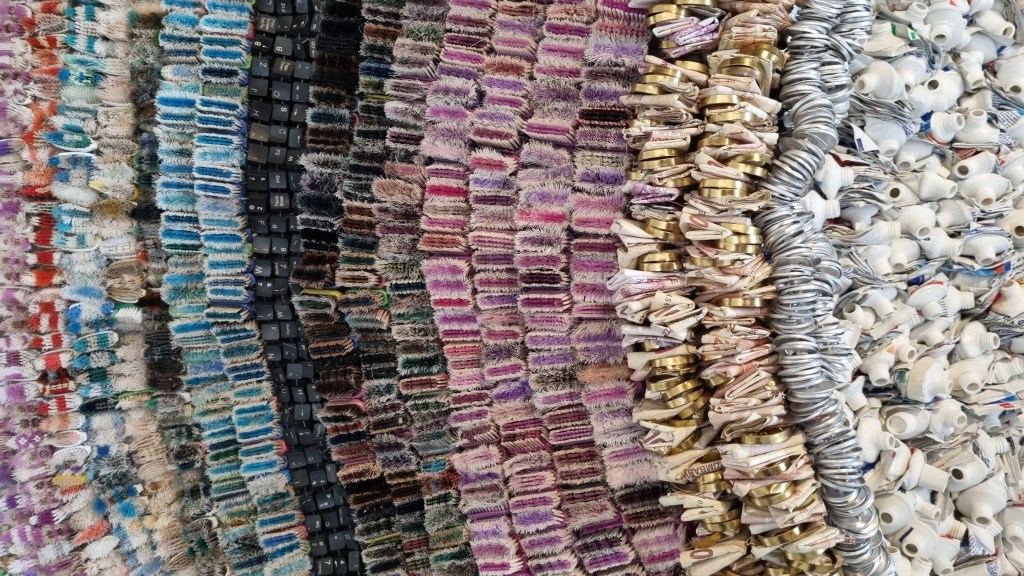
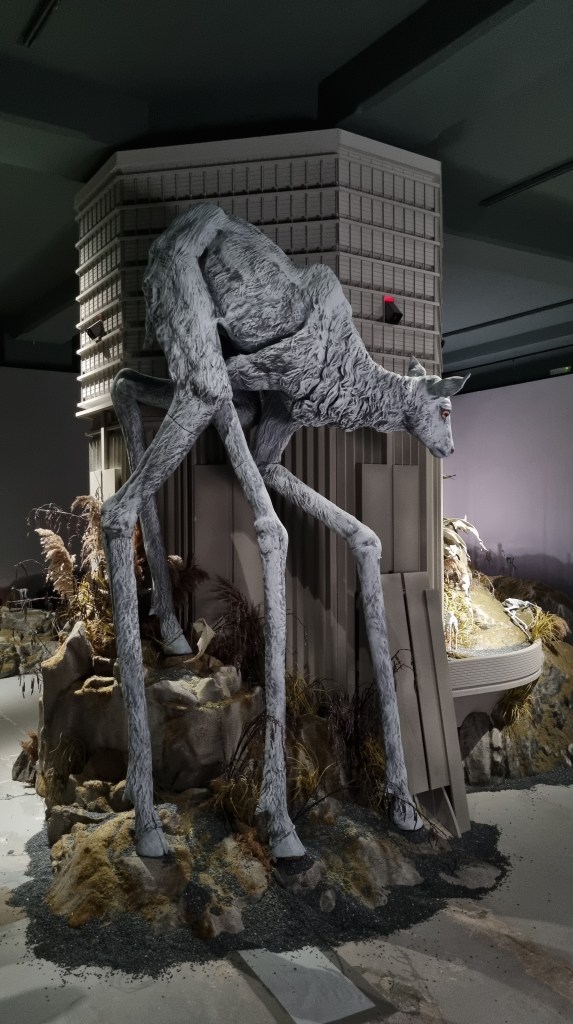
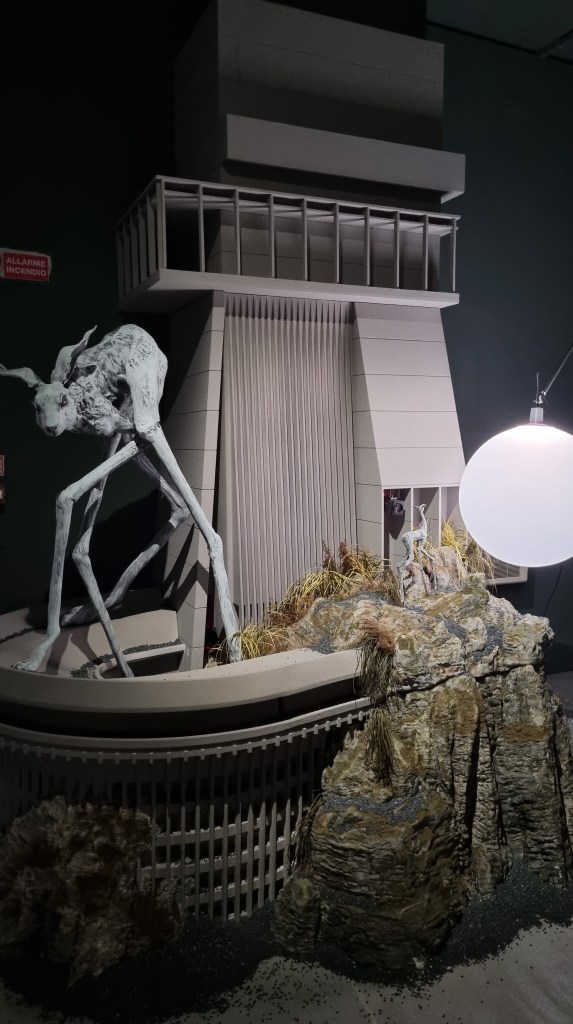
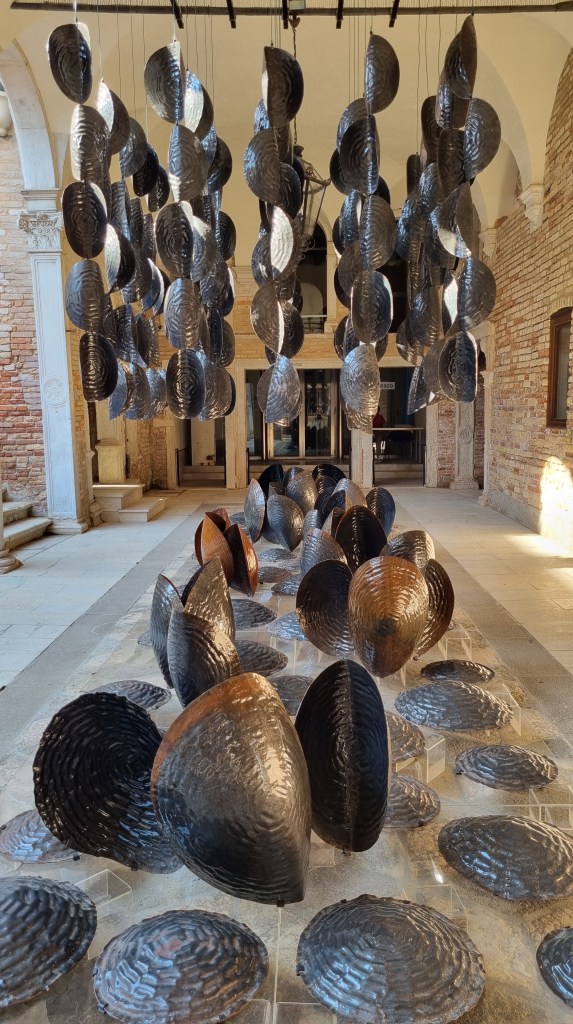
What I love without exception is the smaller Pavilions scattered around the whole city you can visit every day without the ticket to the Biennale (get a map, which is only online this year, or even better, lose yourself in the streets of Venice). So everyone can see the art, even without focusing on visiting the main exhibitions and still getting the feel of what everything is all about.




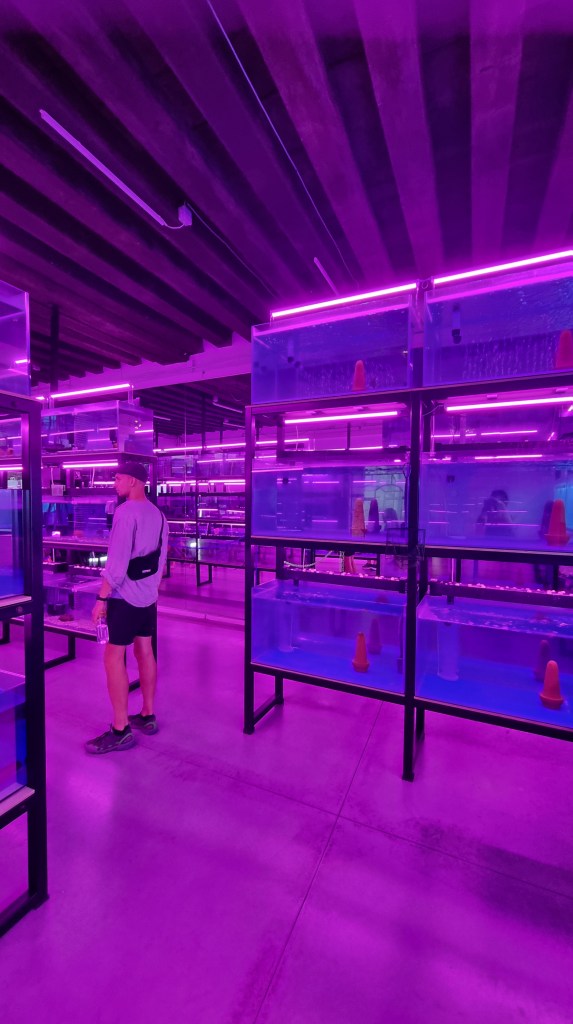
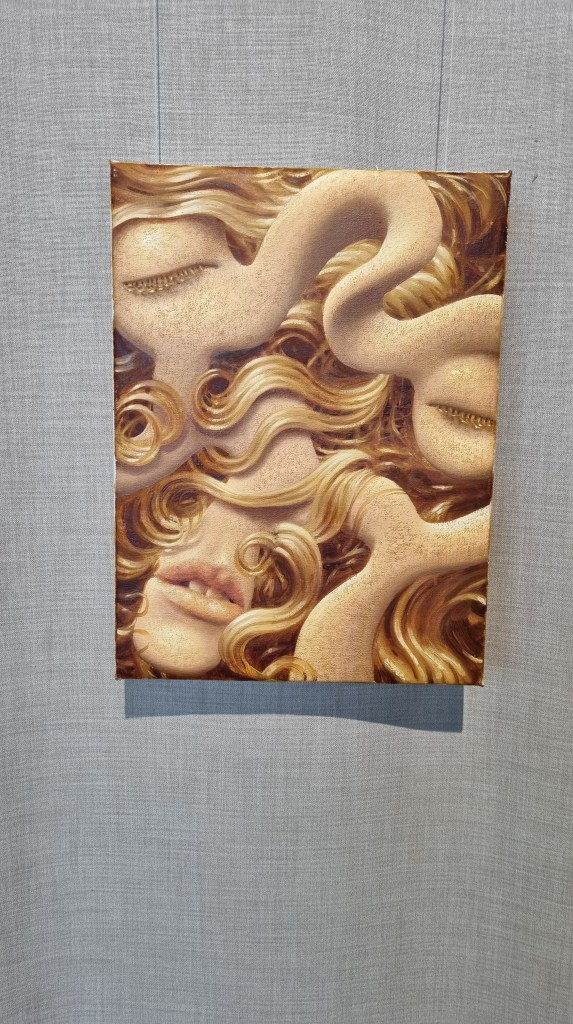
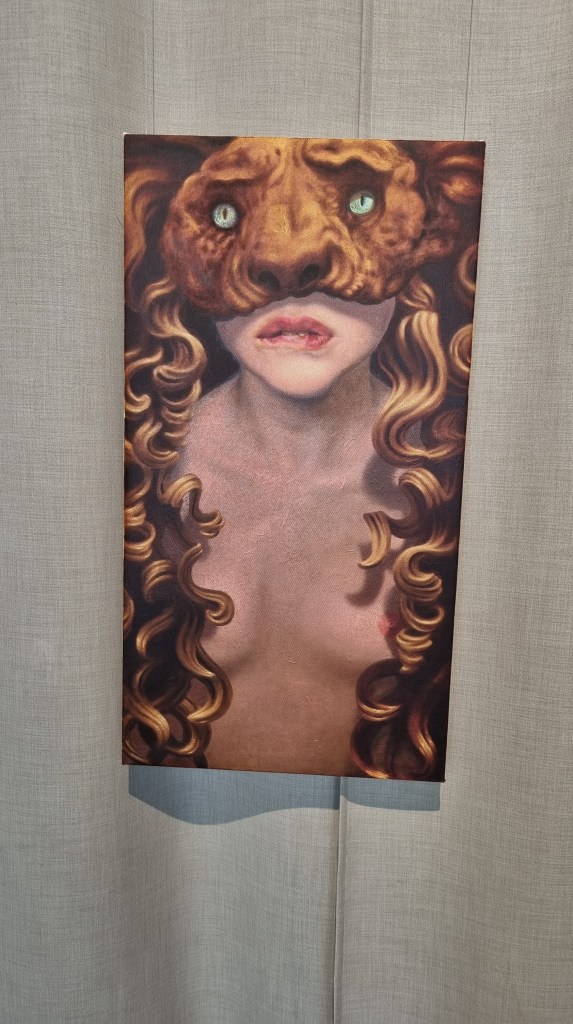
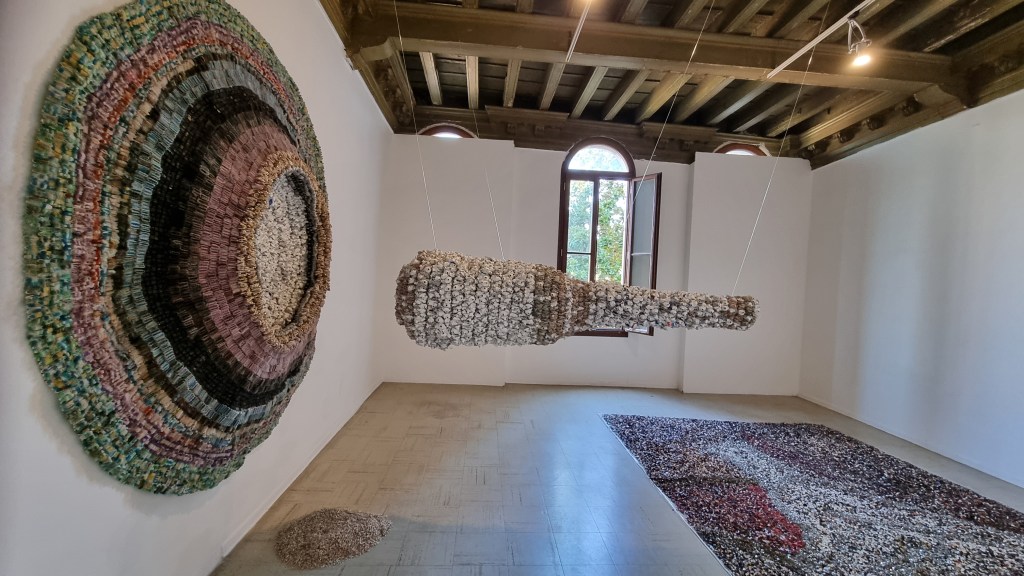

ARSENALE
On my second day in Venice I visited Arsenale, the other big space of Biennale. But first, I want to mention how even my evening travel to my hotel in Mestre a day before was it’s own adventure… Oh, I also forgot my phone string at home, for the phone to hang around my neck (because as amazing as I am, I was not wearing clothes with pockets and didn’t want to have my phone in my hand at all times), but I did pack two pairs of shoes, so I was able to improvise and use a shoelace.. You should’ve seen the looks of the passers-by when I started making the thing in the middle of an exhibition. Probably looked like a performance art piece hahaha But it did work pretty good! I really am having such fun travelling the world by myself!
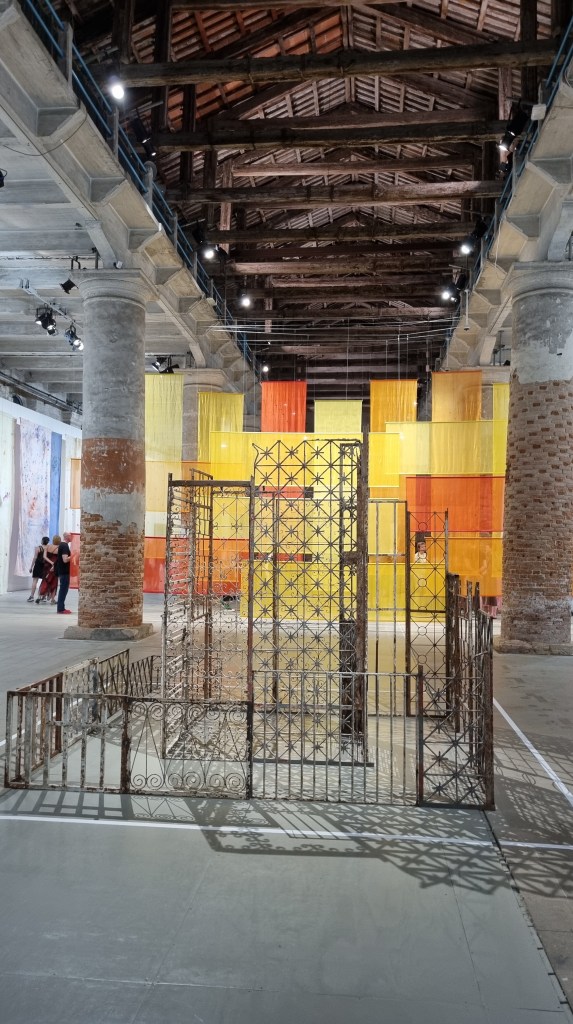
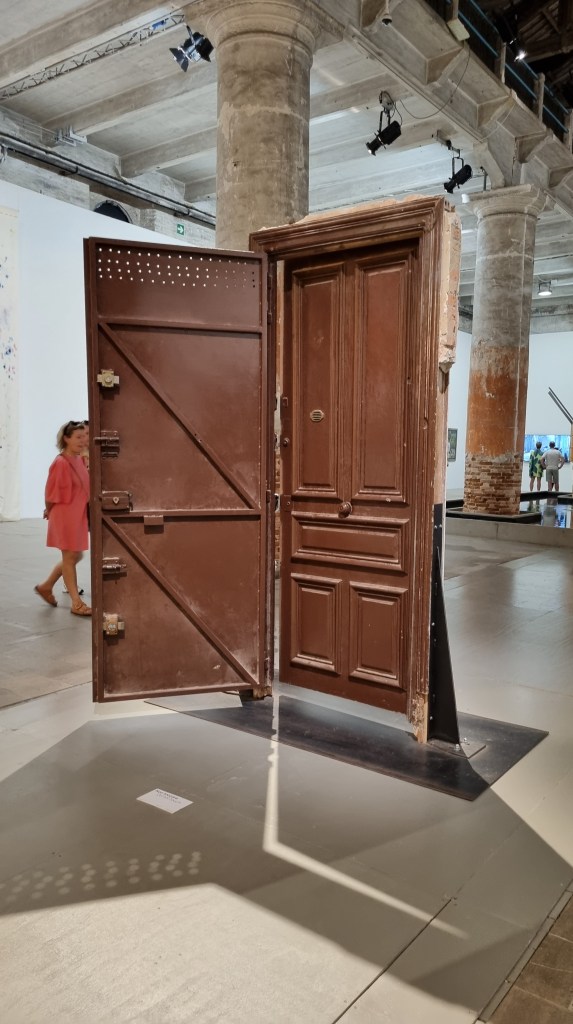
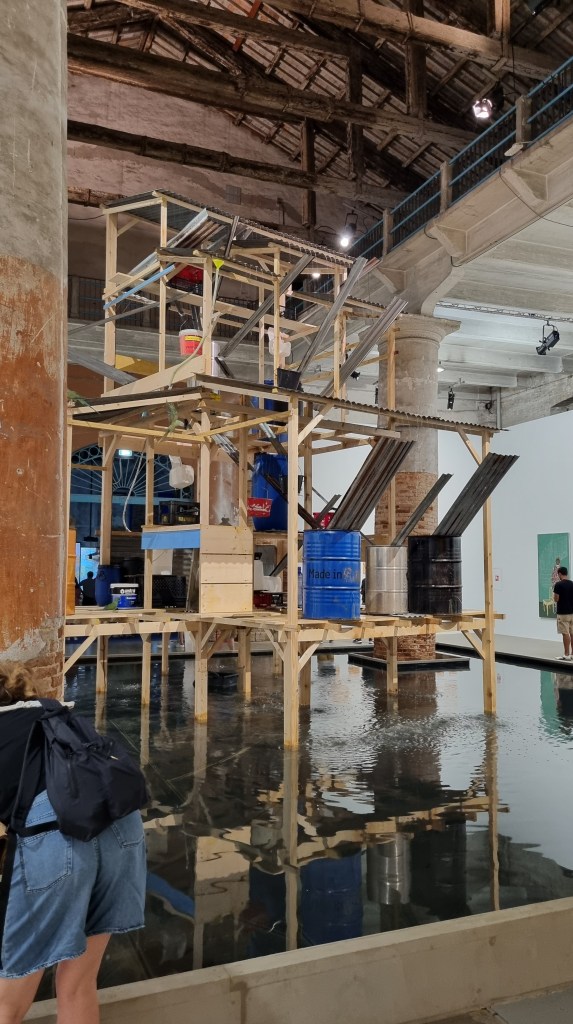
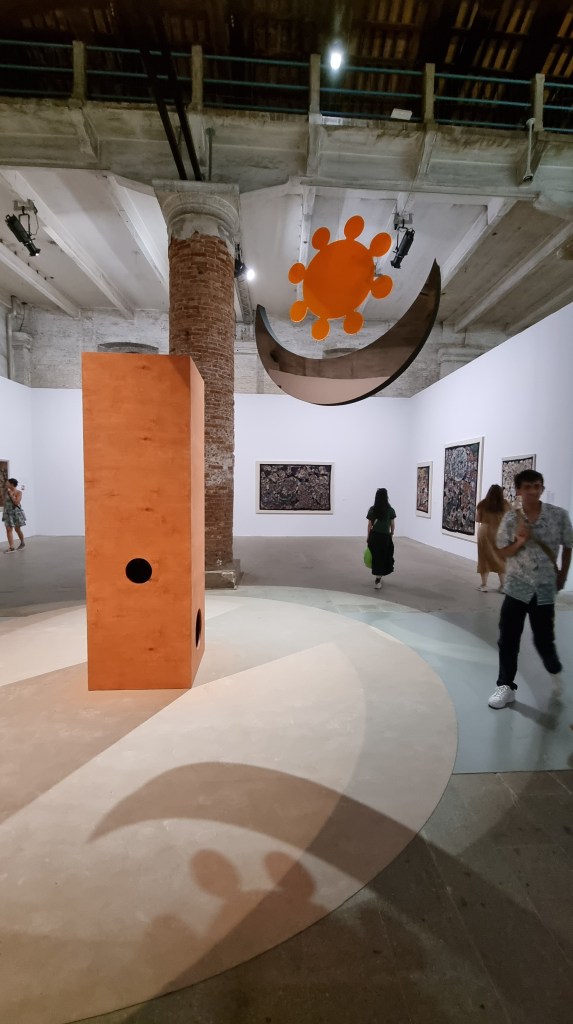
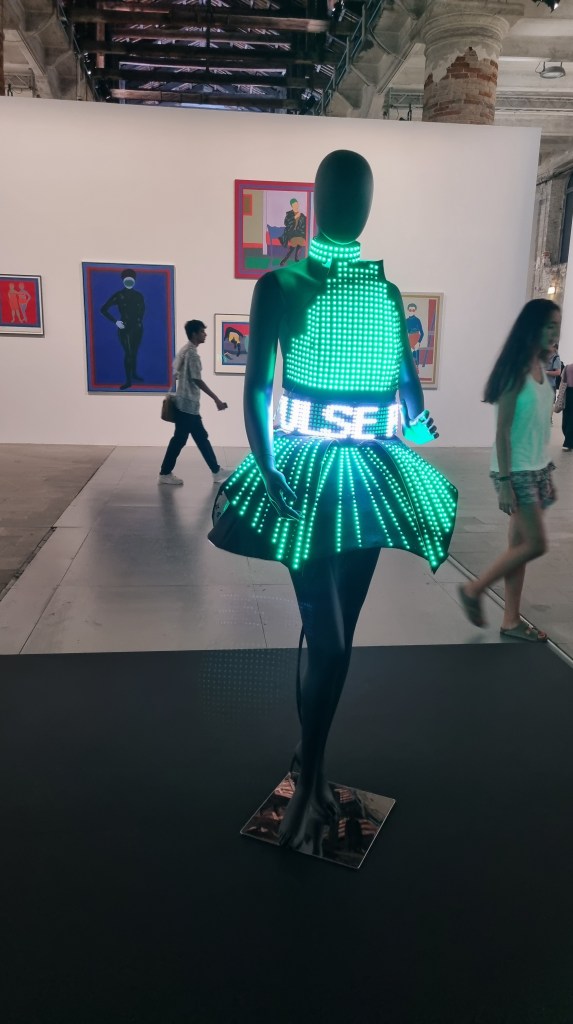
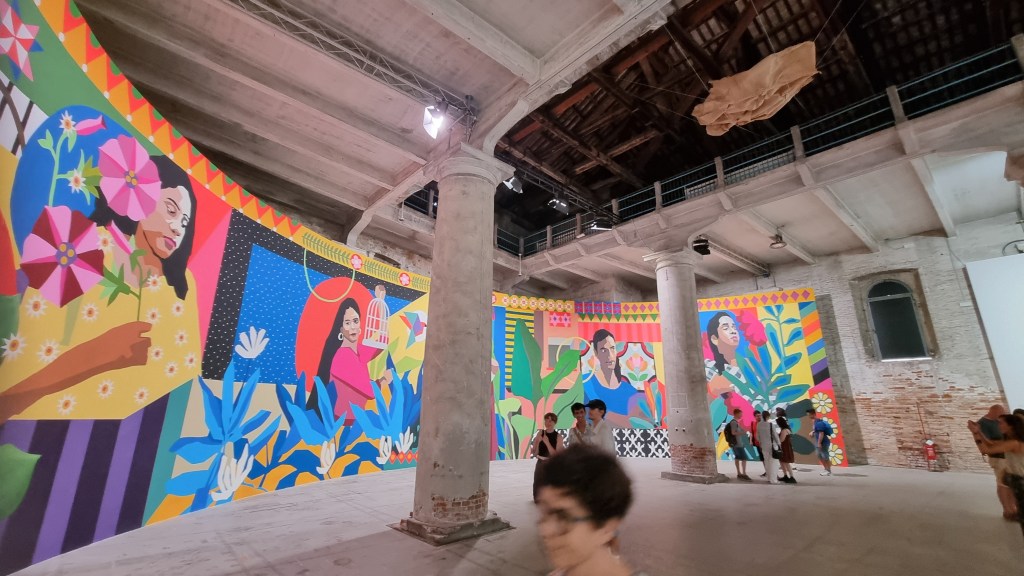
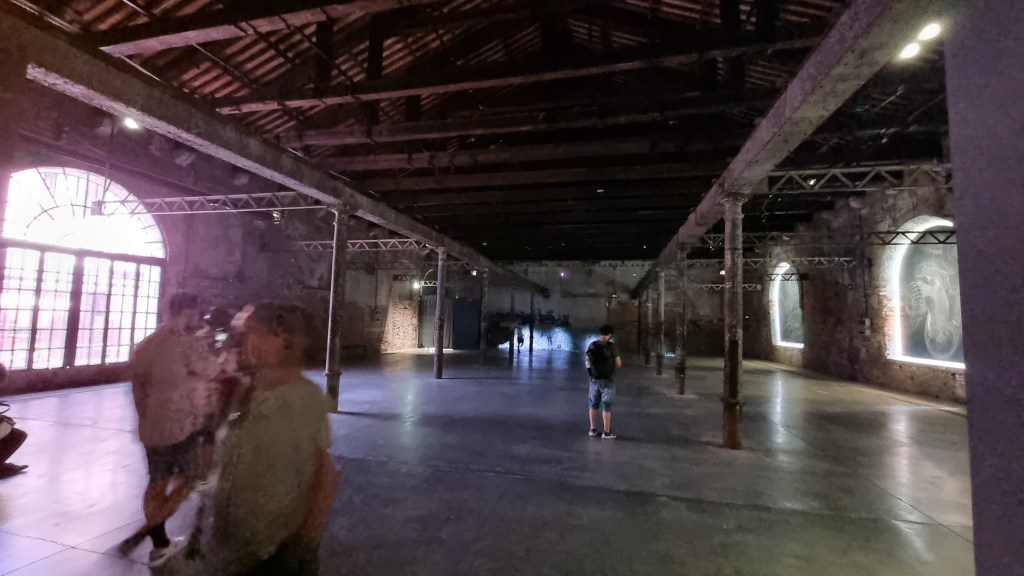
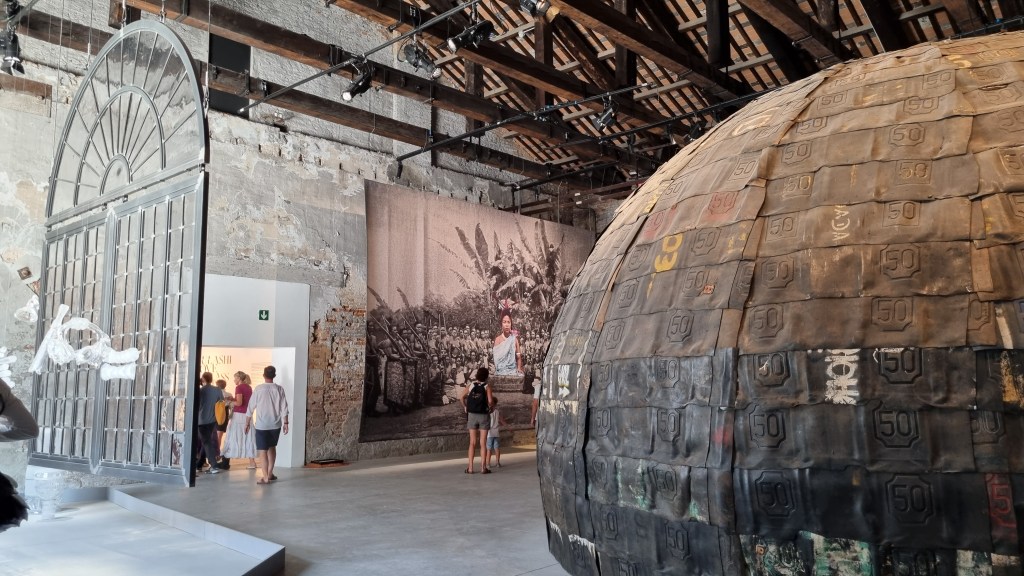
When walking in the Arsenale, as usual, you are confronted by the large scale works and installations. Already kind of used to the big things being there, because of the large empty spaces they have to fill in. These monumental works are so very powerful, showing the monumentality of the human life and questioning the rules of society and how we live.
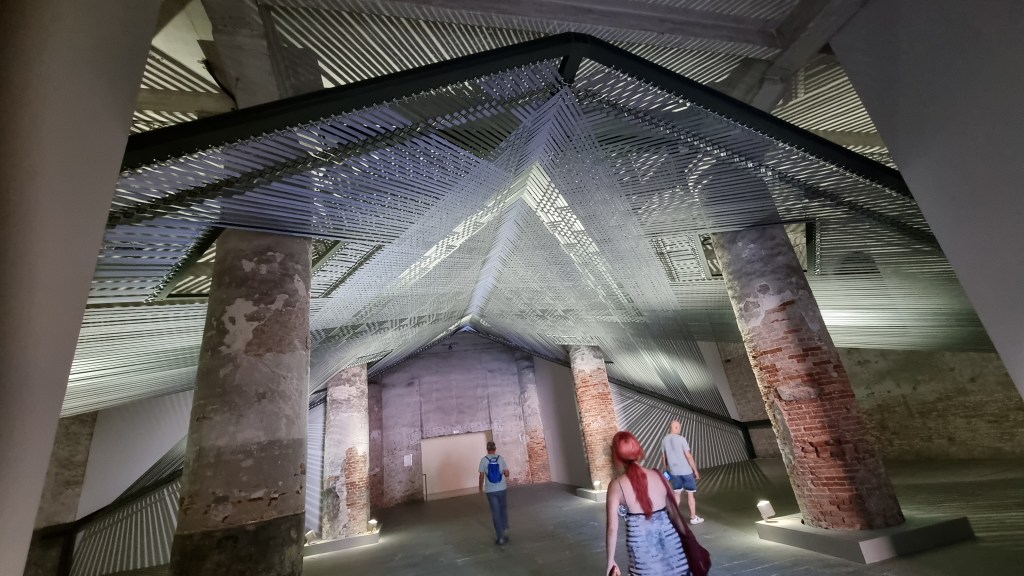


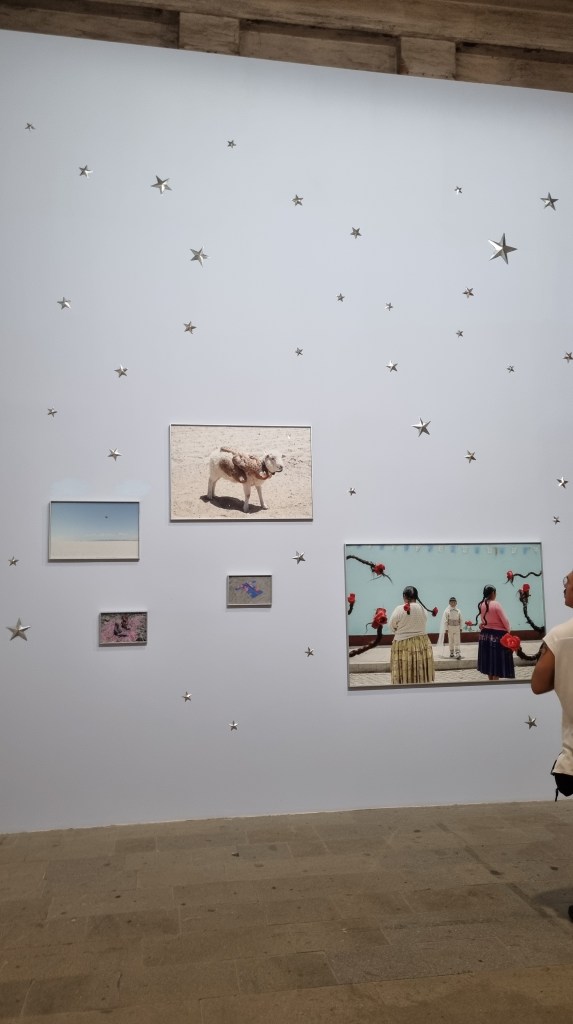
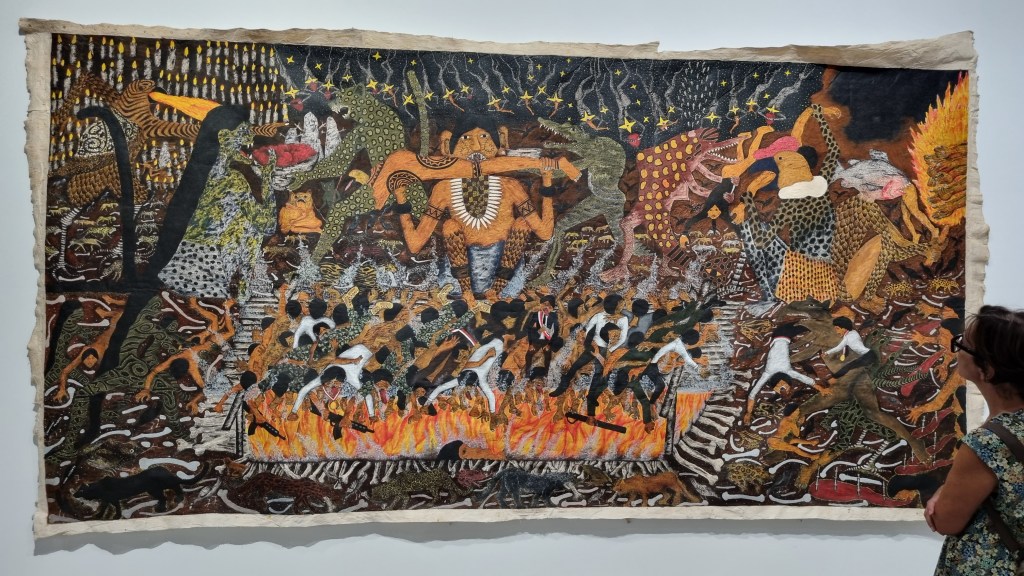
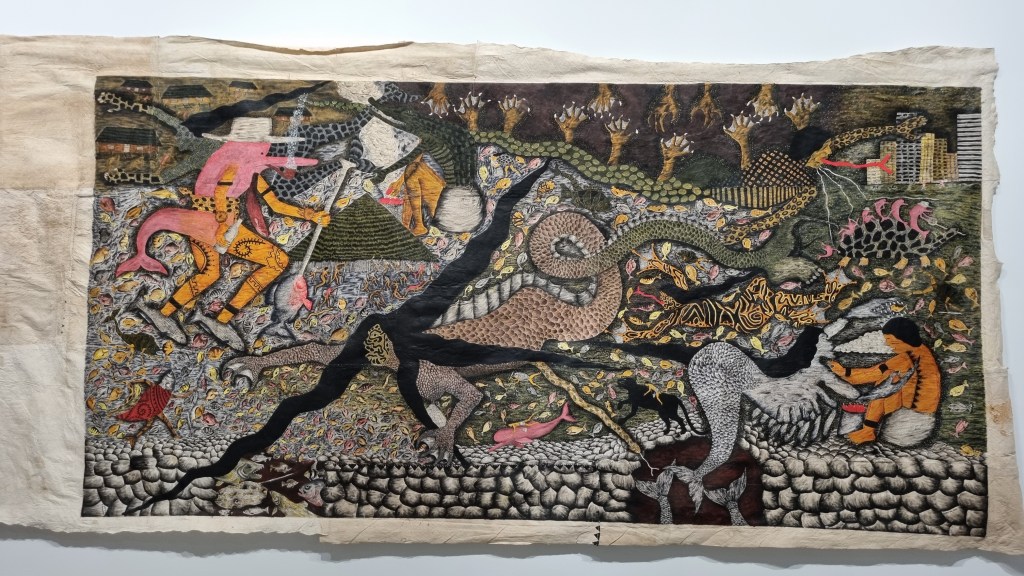
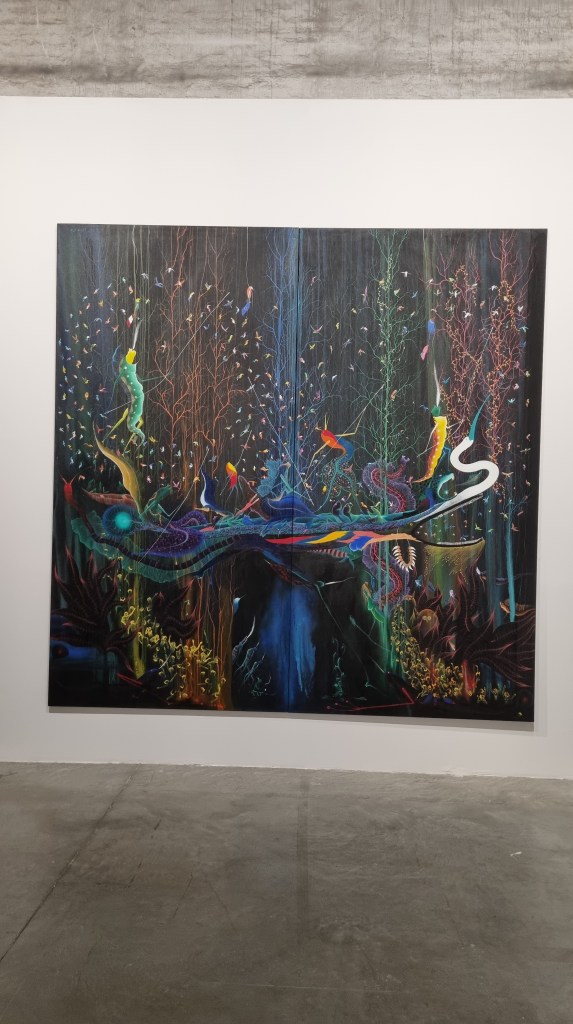
A lot of artworks portray the relationships between the artistic practice and political action, so very much activist like. But for me, the walk was very visually and story-appealing. I have to admit, I was actually so so so tired and my legs were really hurting (a reminder I need to go on more long walks in the future), so I didn’t stop at each artwork, more kind of strolling through and stopped at the ones that immediately pulled me in. I did take a lot of photos, so I can revisit all of the artworks at a later time if I want – did you ever experience when talking about something, you remember you saw something similar before, or even the context, and you go through your archive and discover so much? That’s also why I became one of those people taking soooo many photos and people commenting why am I doing that, because I will never ever look at that again. Well, in our line of work, these photos do come in handy..
As I mentioned before, I was quite exhausted (physically and emotionally) on my second day, so I was kind of very happy there were so many videos on display. We usually just watch a few moments and then walk away, because ‘we don’t have the time’ to sit and watch properly the whole thing, but this time I took my time (mainly to rest my legs) and watched almost all of them. It was a pleasant experience and again, learning so many new things that I would usually miss. So next time you are in a gallery and see a video, I give you a challenge to sit down and enjoy it – it is definitely not a wasted time!
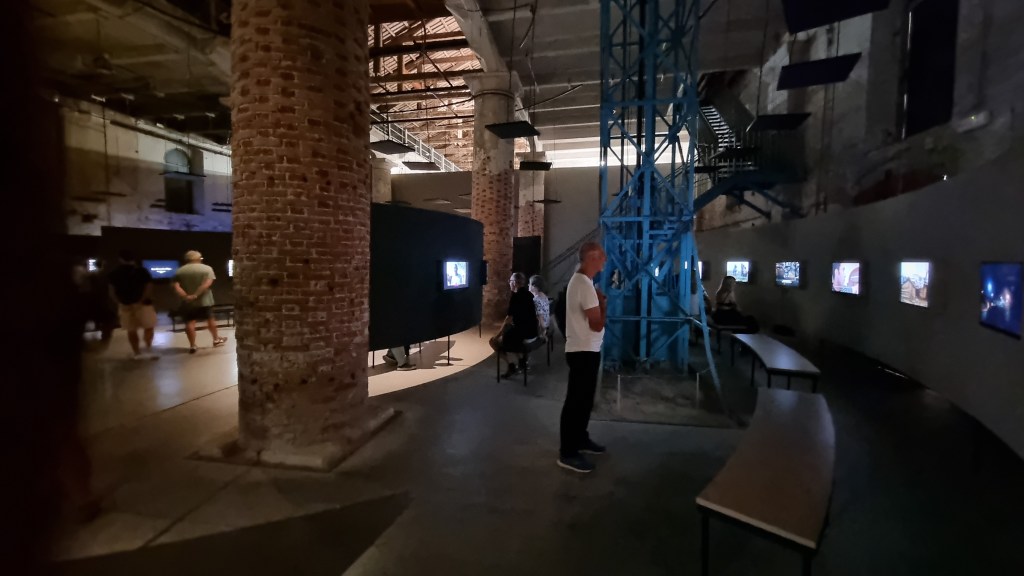
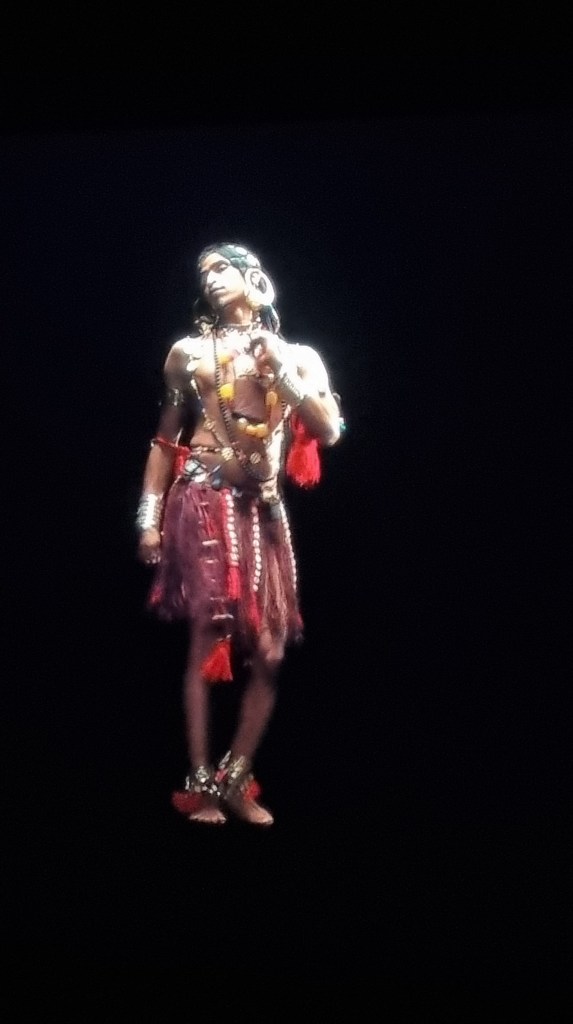
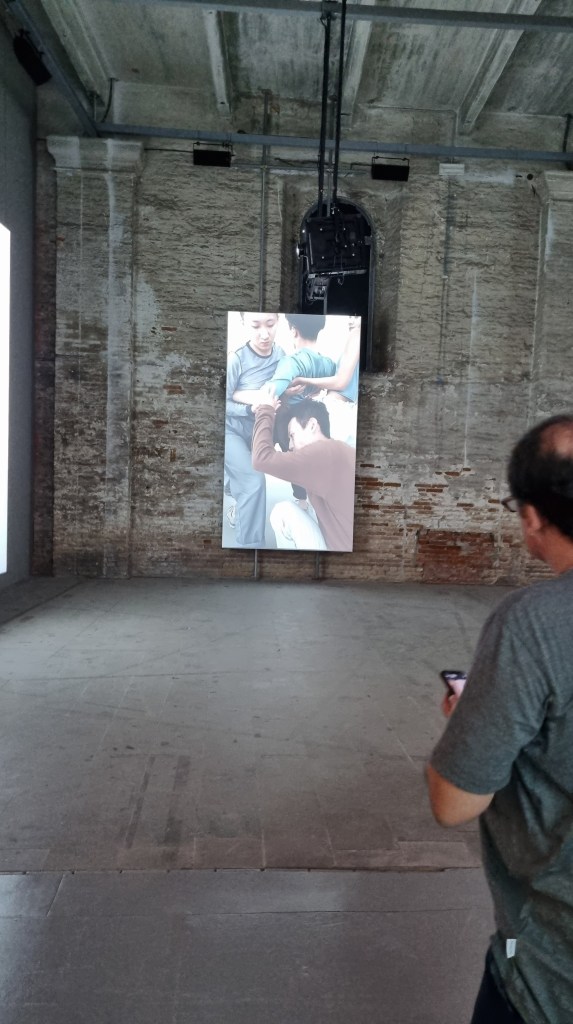
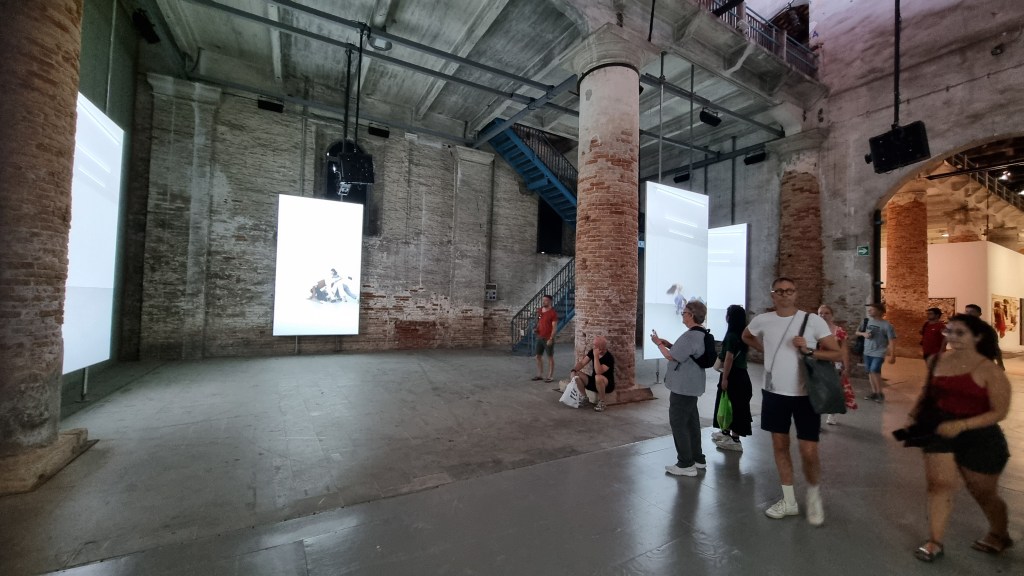
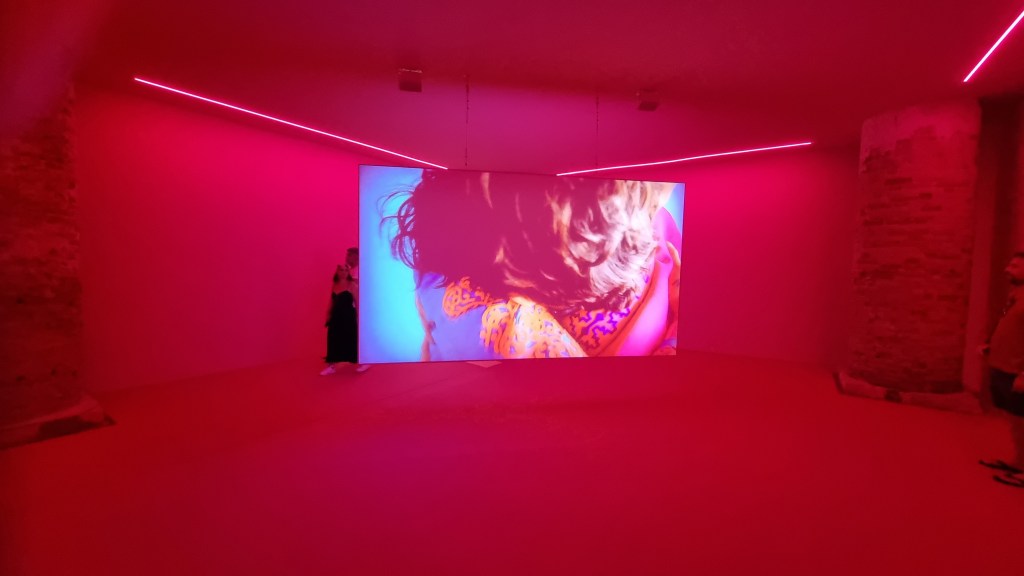
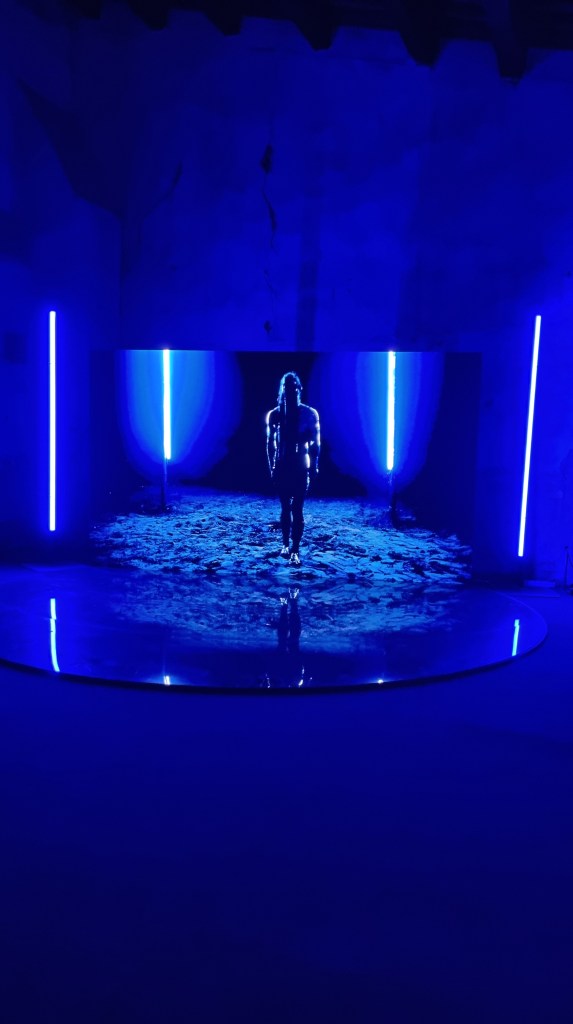


Collective moments of resistance, marginalized communities and migration are big themes seen all throughout. The rooms of Arsenale are also categorized by different topics and subject matter, so it is kind of easier to interpret what you see. One room that I remember a lot was dedicated to Italian artists that migrated to various countries, showing how these different cultures didn’t just influence them, but how they also contributed to their art scenes.
Honestly, in general I was quite surprised how many queer artists and queer artwork was represented. I am returning to this topic: is that still so foreign?!
Seeing all the themes artists were dealing with (not just queer art, but also war, migration, identity etc.), it was really hard to be confronted again and again with seeing how things are getting out of hand again, in 2024!! But I guess when you hit a rock bottom as a civilization, the only way is up?
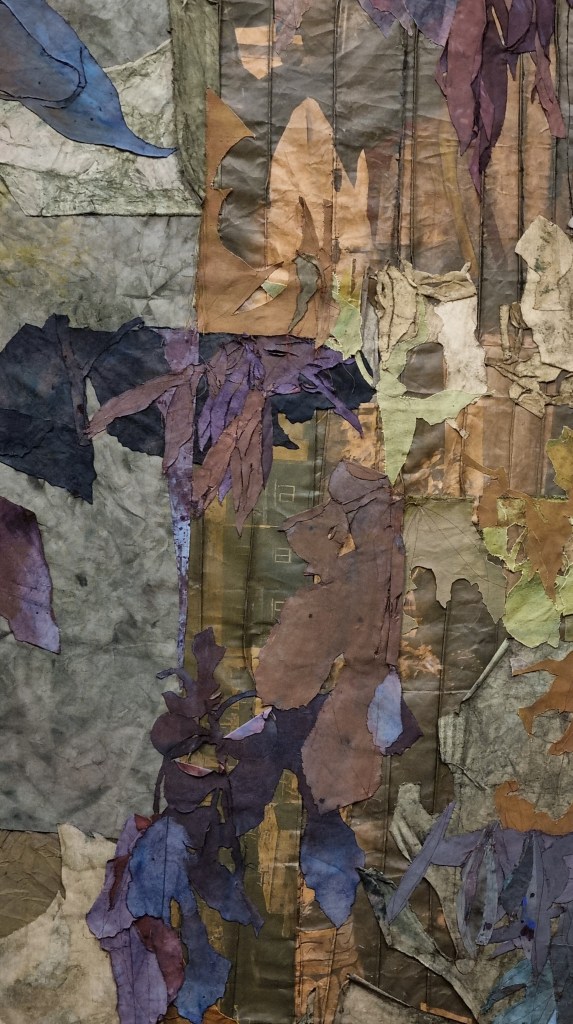
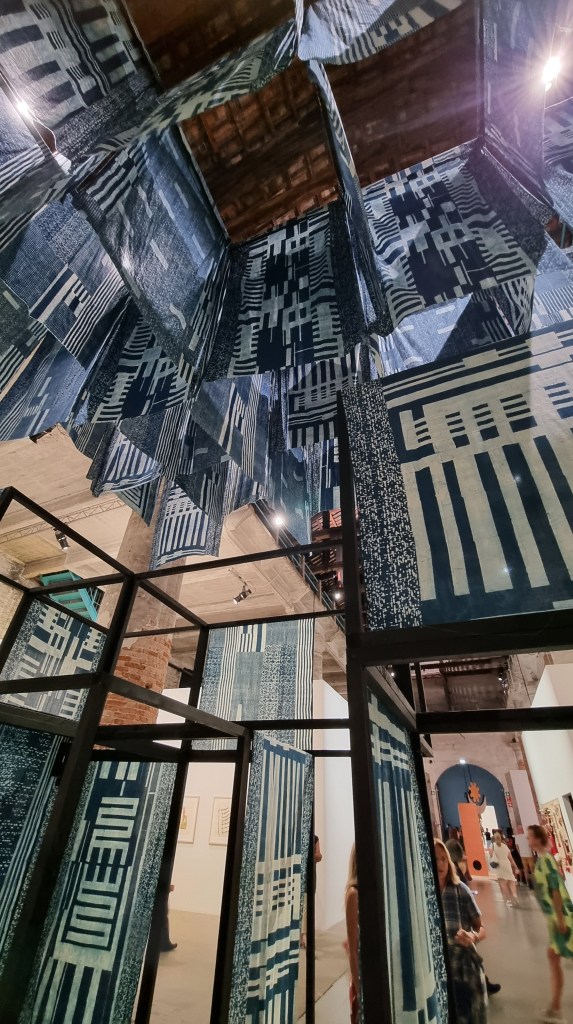
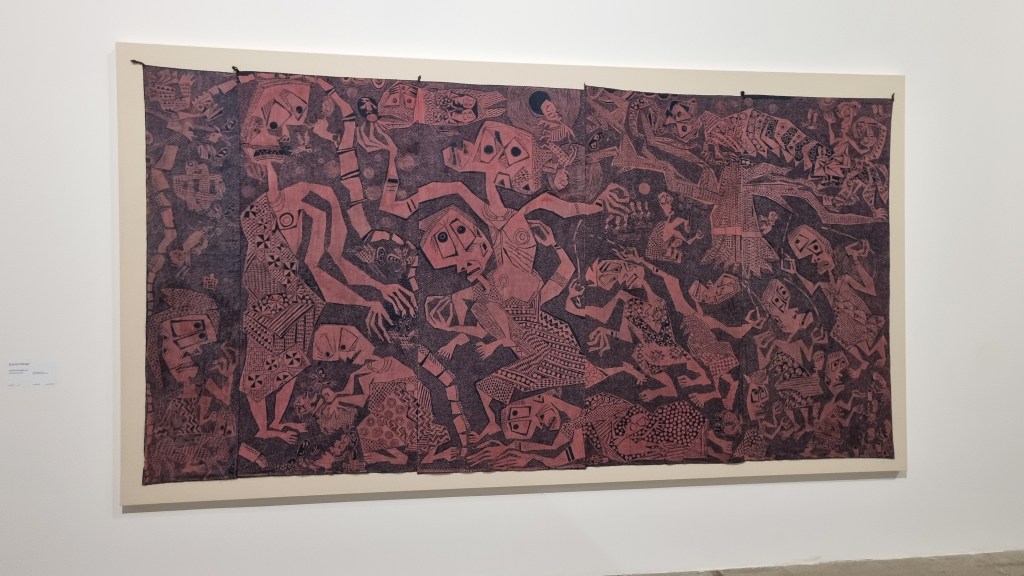
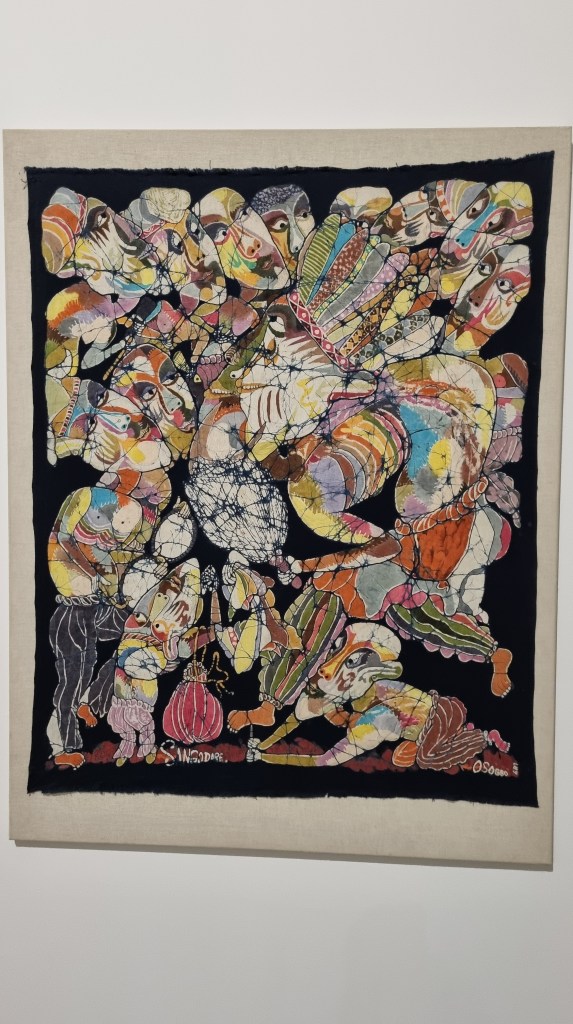
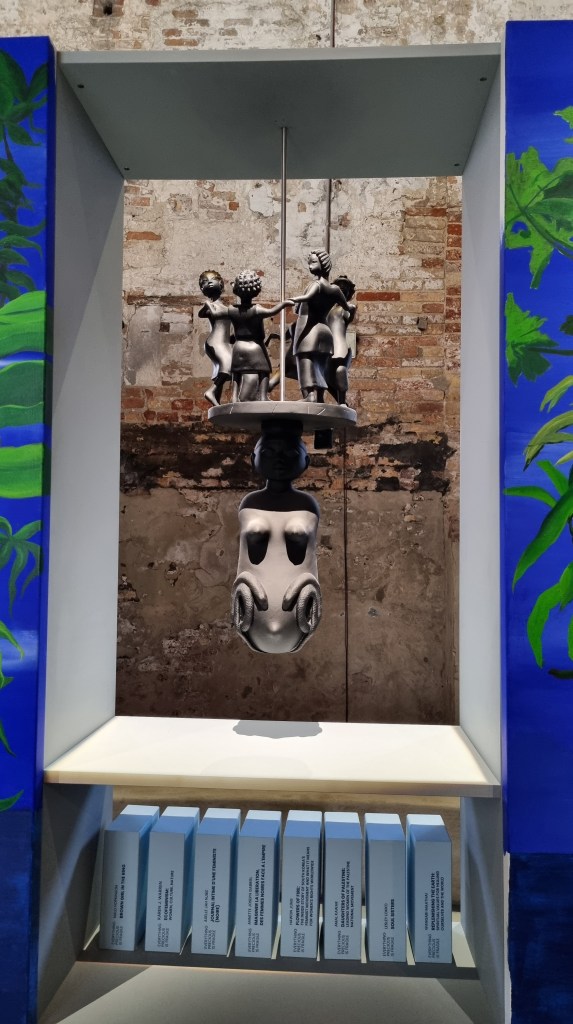
Using different means to present how colonialism and migration shaped the world through textiles, for example, was a very cool representation again (remember Canadian Pavilion?), as these are not the things we really think about in this day and age, to us, it is just given.

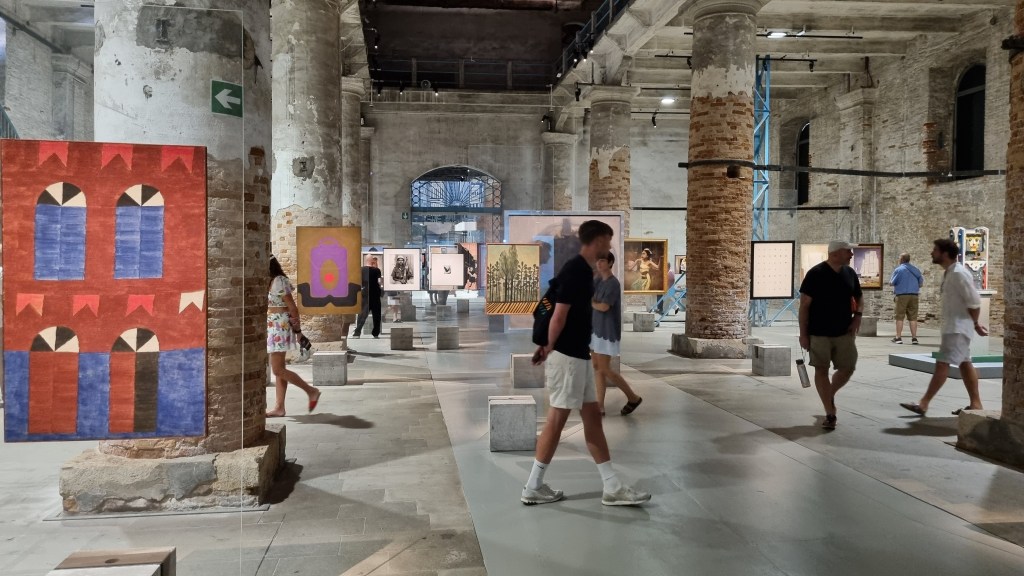






You know what I was actually most surprised with? Considering how good the cameras on our phones are, there were so many youngsters using digital cameras to take the photos. Are the cameras having a comeback? Please tell me we are bringing them back!! A happy excited child here..
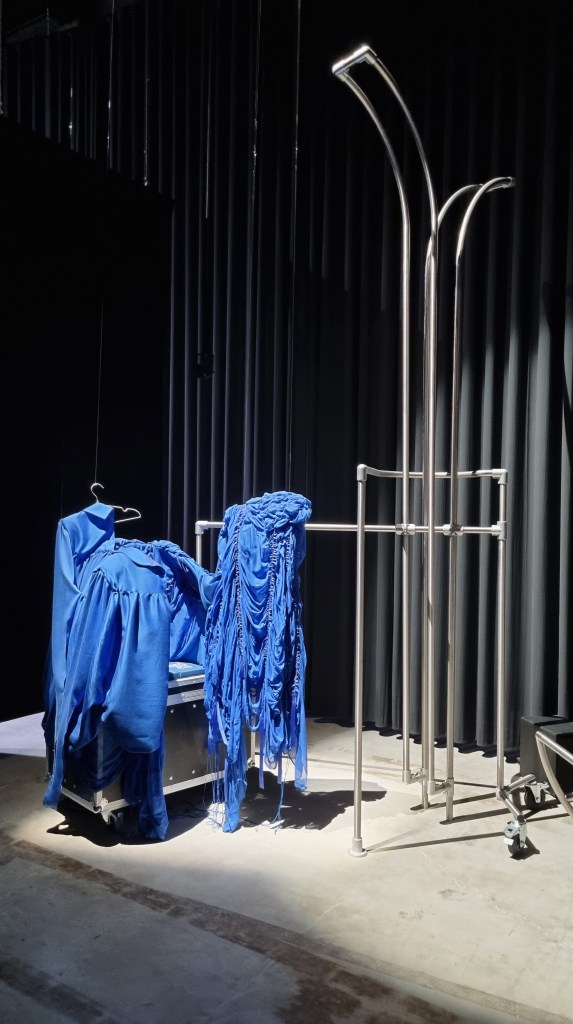
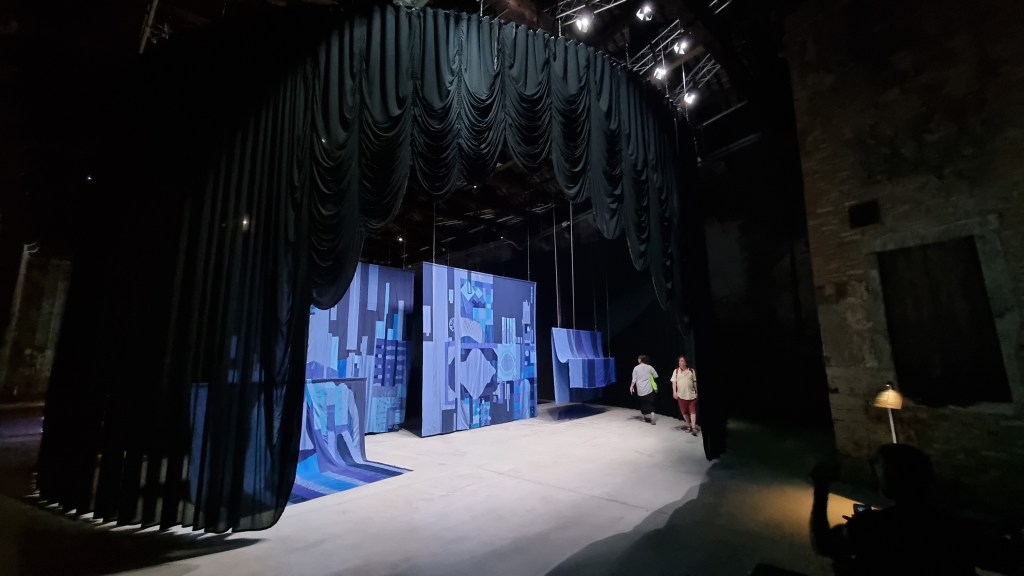

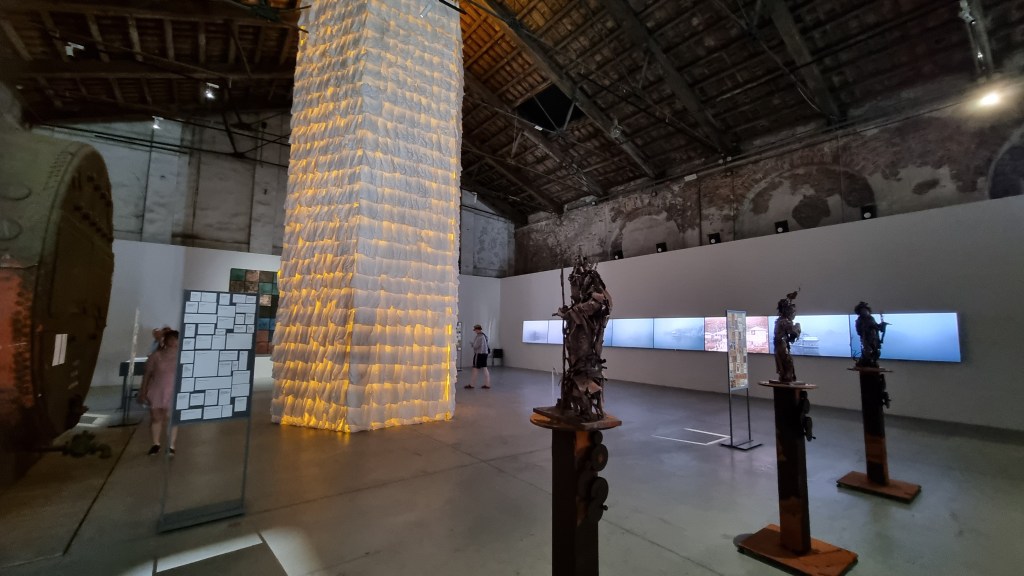



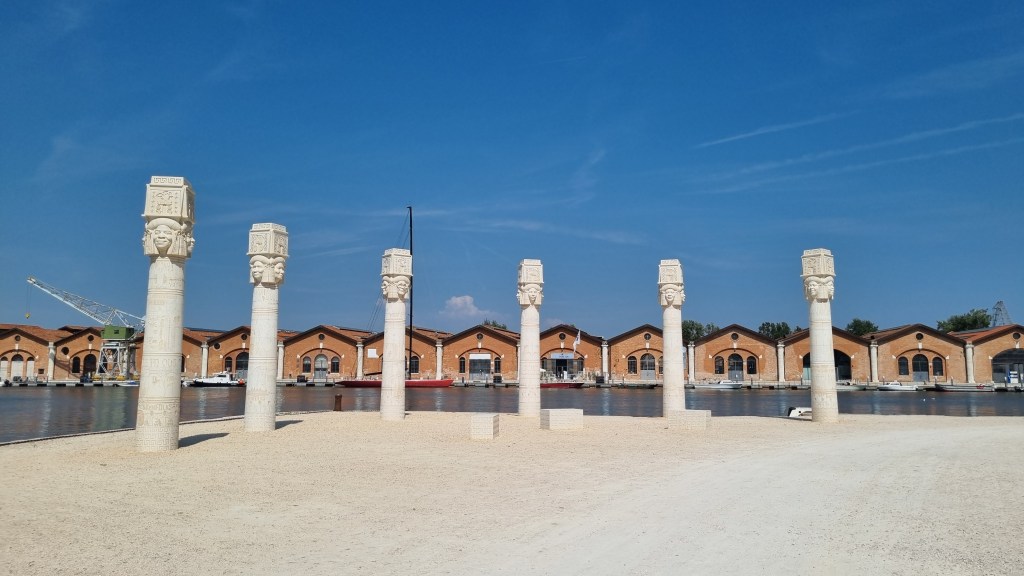
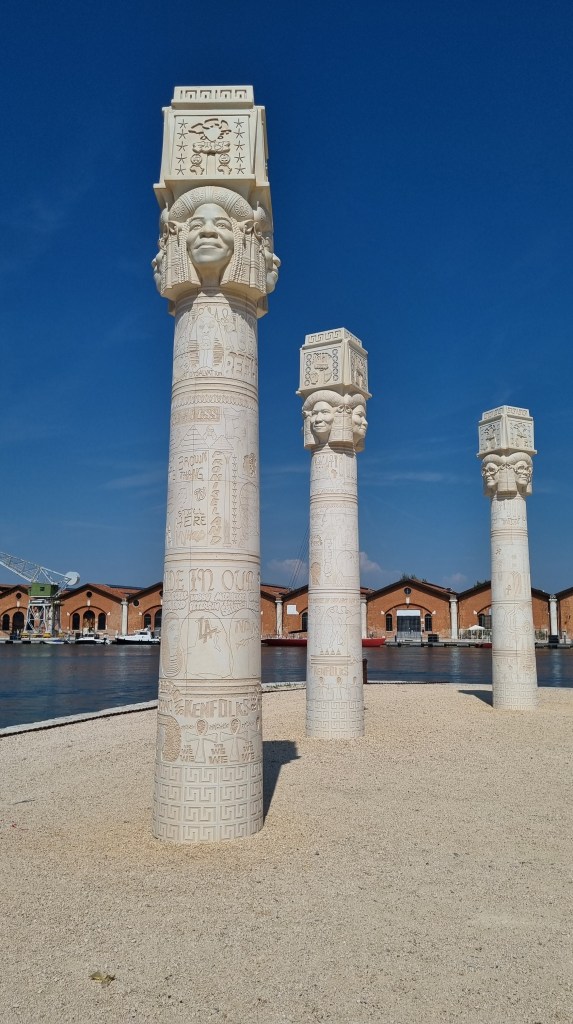
Some artworks recontextualized the history with contemporaneity, kind of a remix of temporalities, the ancient with the now ‘as a critical gesture to uphold the black and African-American diaspora and its history with the same reverence as the other architectural landmarks across the West’ (Lauren Halsey and her installation of columns). Connecting history and contemporary world, reimagining it and giving it space, showing we are still human and still here.
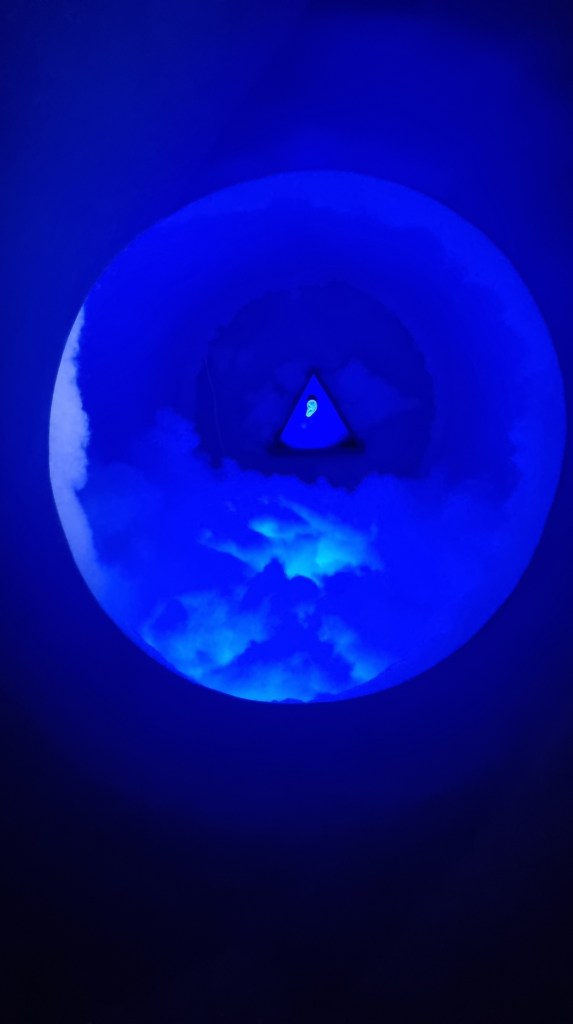
One of the last bigger pavilions I visited was the Italian one, in which is all about the hearing (you see, we had smell before, now the hearing, and also critical thinking – art making us experience life in different and more unconventional ways). A project about how to hear and how to listen. ‘The acoustic paradigm should be thought of here as a physical experience, but also as a metaphor, an invitation to pay attention, to listen to the Other, be it a human being, a machinic element, a natural form. … art is a path to knowledge, and the project suggests that ‘lending an ear’ could become a tool for self-improvement within the community of this world.’ (curator Luca Cerizza on Massimo Bartolini’s work). This really hit home, because it is freaking true! I always say communication is key. We should start listening to each other more – not just listening, but hearing! We should listen to each other, not just you and me, but between races, religions etc. World would be such a nicer place…
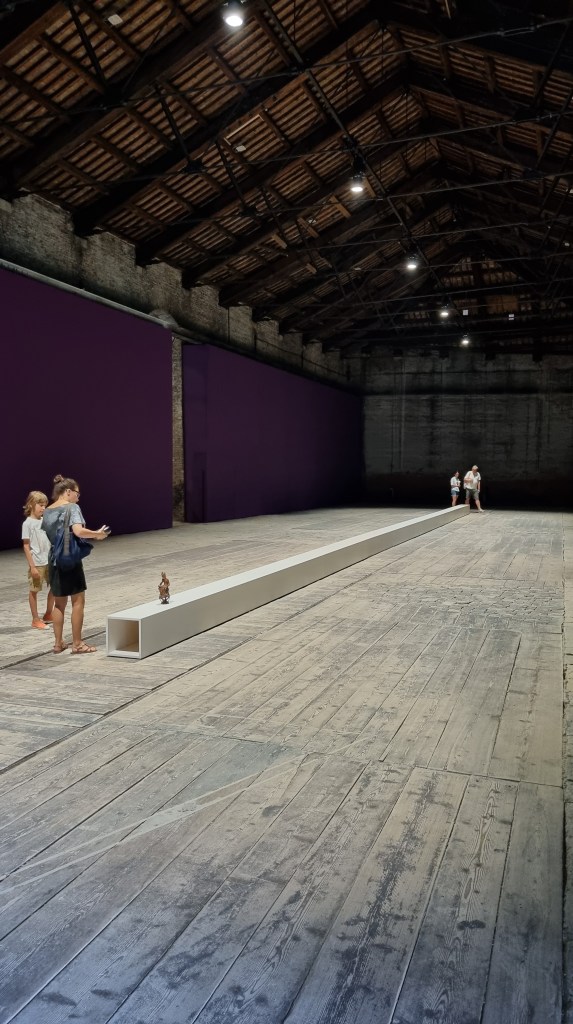
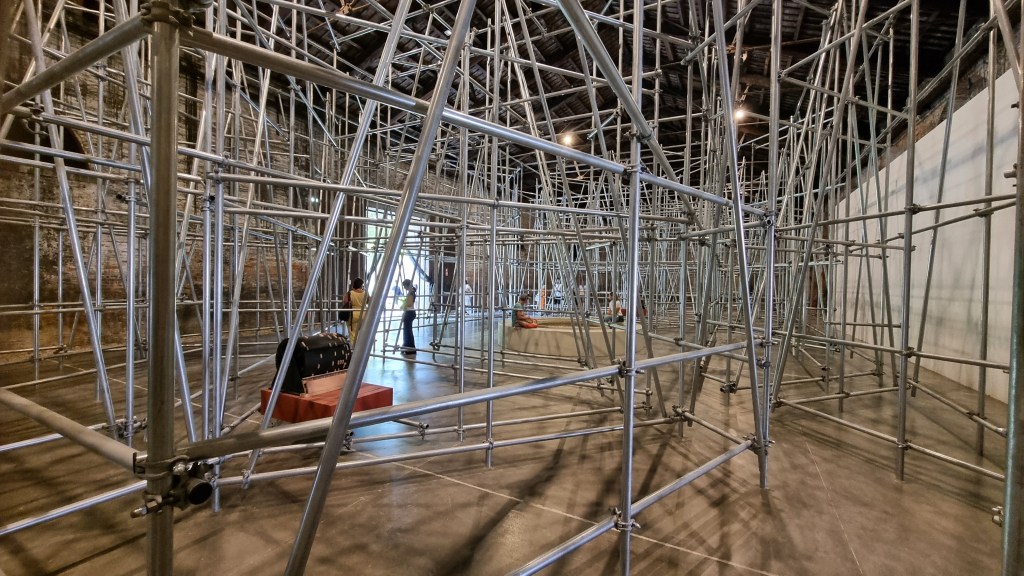
And before I finish, I want to say that you should not miss the artworks in the houses behind Arsenale, they are a real treat.
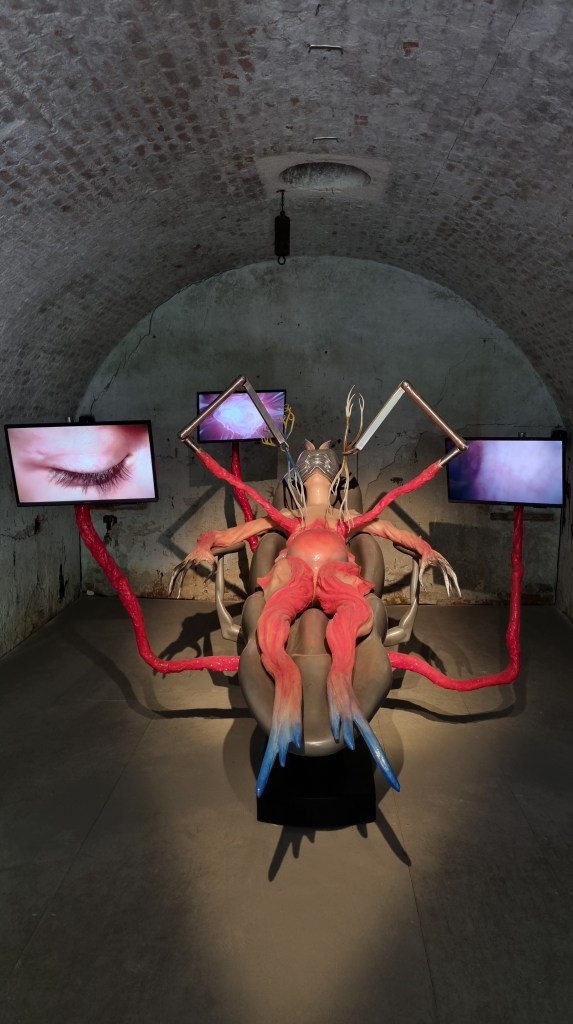
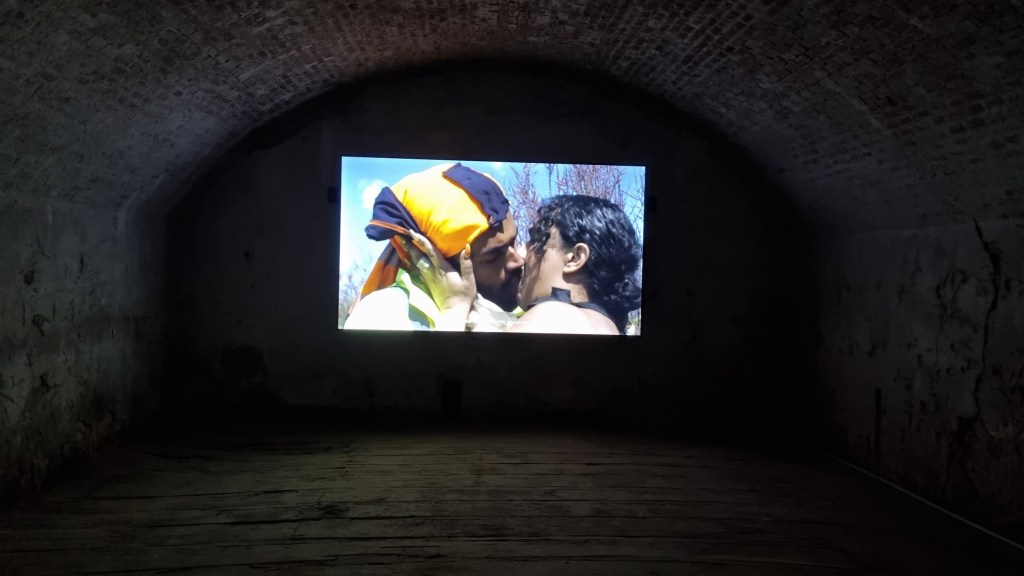
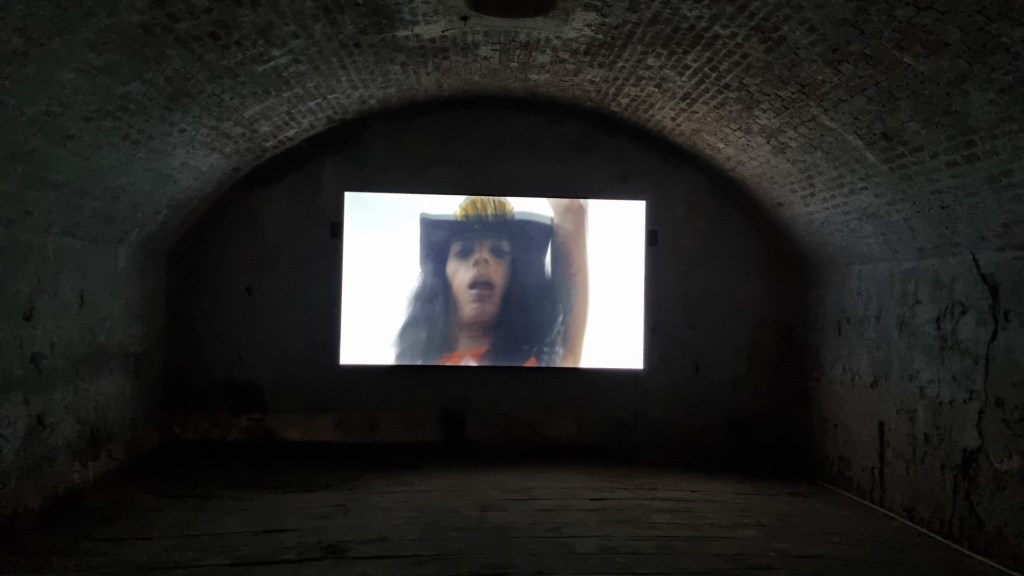
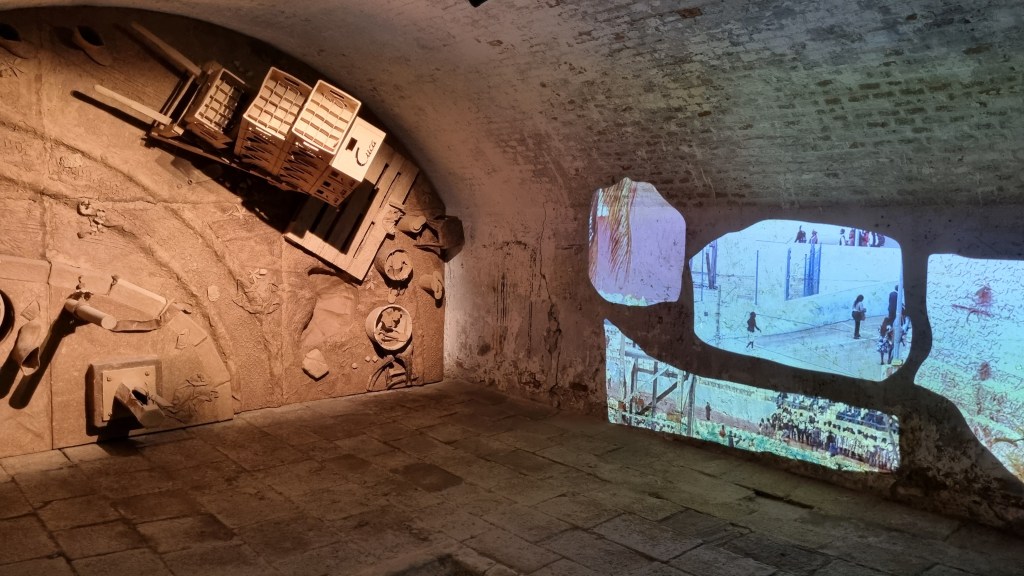
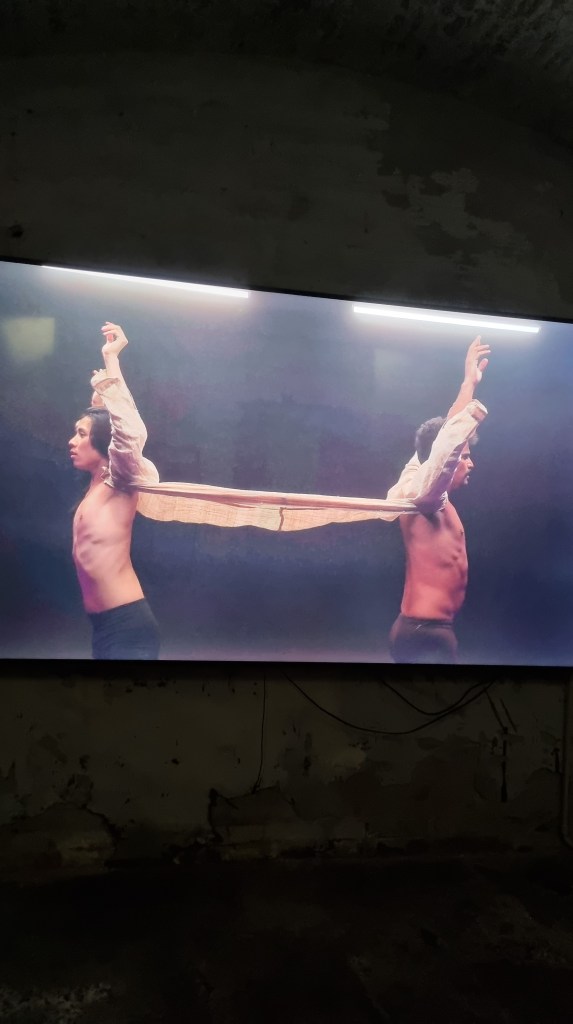
Venice Biennale 2024 really is a walk through history, different cultures and their identities. If I could describe it in just a few words, I would say it is a Museum of Anthropology.
 Research adventureS of a curator