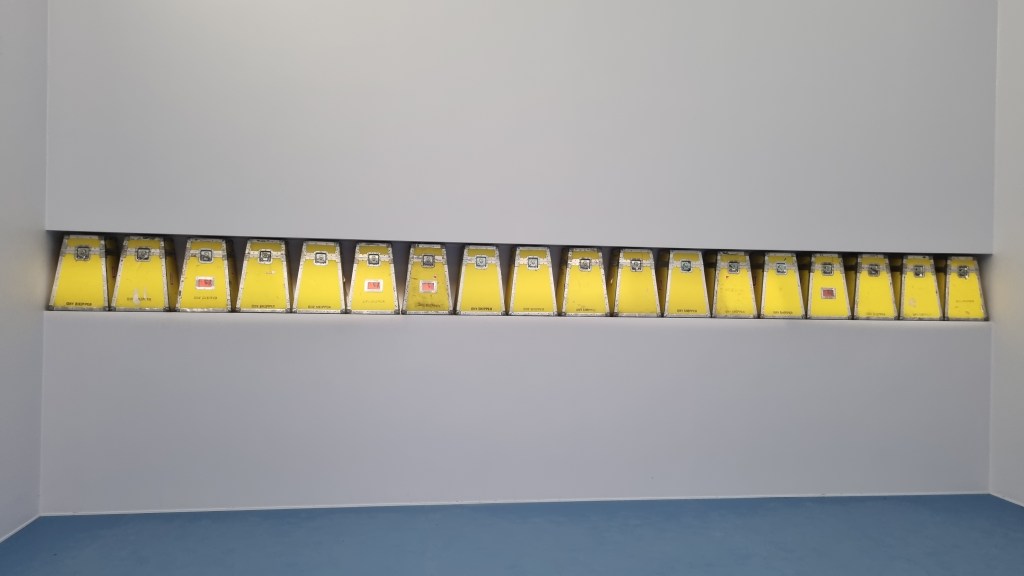
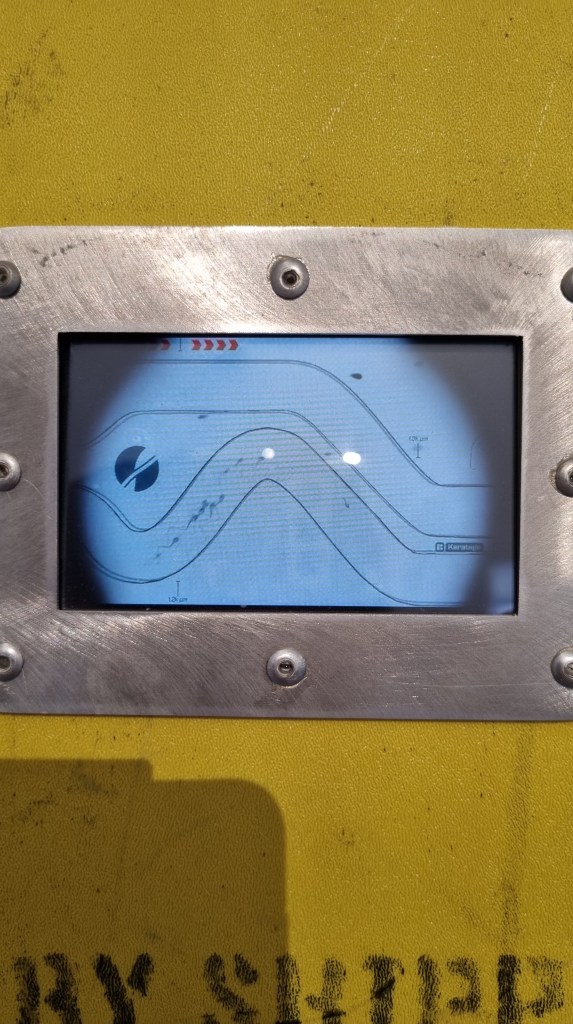
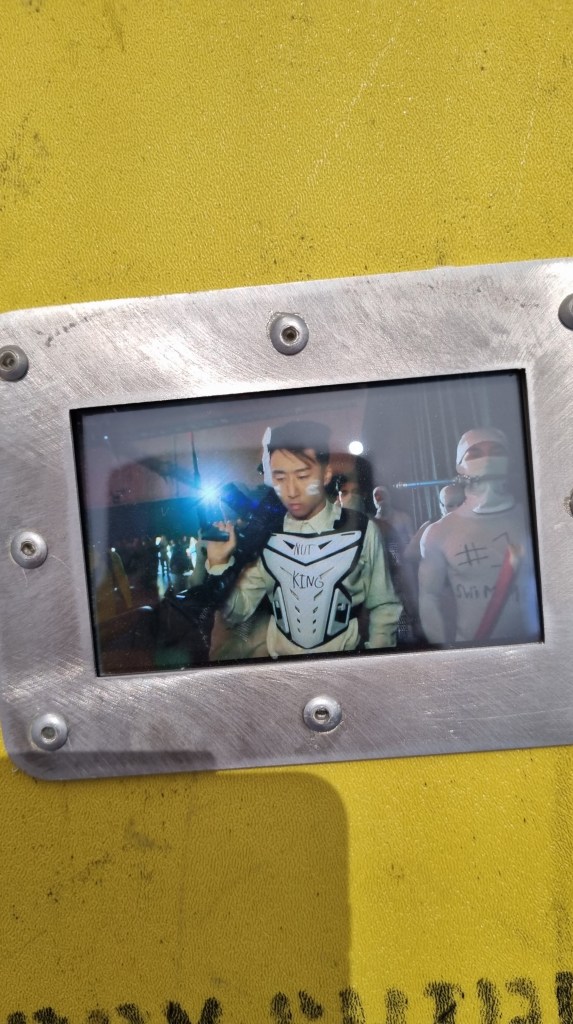
Aaah, Venice Biennale, my favourite art event. Where else could you watch an actual sperm racing event through small screens, embedded into cryogenic containers? Yes, for real, Denmark did it again – thank you for raising awareness on fertility!
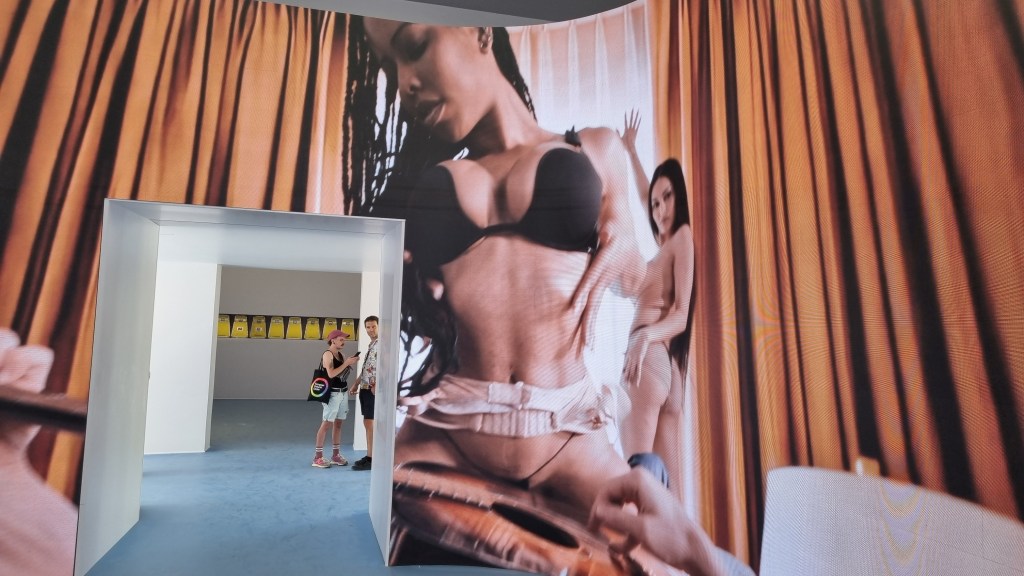
61st edition of the Biennale is called ‘In Minor Keys’ and was curated by Cameroonian-Swiss artistic director Koyo Kouoh, who unfortunatelly passed away last year. We were lucky that she took her job seriously, not only as a first African female curator of biennale, but also with a vision to bring the world together through art. She already made all the plans of what she wants to achieve and how before her passing, so this year her team was able to build upon her own dream and present all the aspects through her own perspective.
In her own words: ‘This exhibition is tuned in to the minor keys and invites listening to the persistent signal of earth and life, connecting to soul frequencies. If, in music, the minor keys are often associated with strangeness, melancholy and sorrow, here their joy, solace, hope and transcendence manifest as well.‘
The biennale is ‘grounded in a deep belief in artists as the vital interpreters of the social and psychic condition and catalysts of new relations and possibilities.‘
When you enter the Central Pavillion in Giardini, it all hits you: the beauty of the world through artists eyes – even through different geographies, cultures, religion, views, we are all connected. It is life in all its glory and gory.
At first I was a bit confused and disoriented, not really understanding which way to take in the labyrinth of the space and which caption belonged to which object, but soon I realized it does not really matter. You are not there to go with your head, but you are there to feel and immerse yourself in your surroundings.
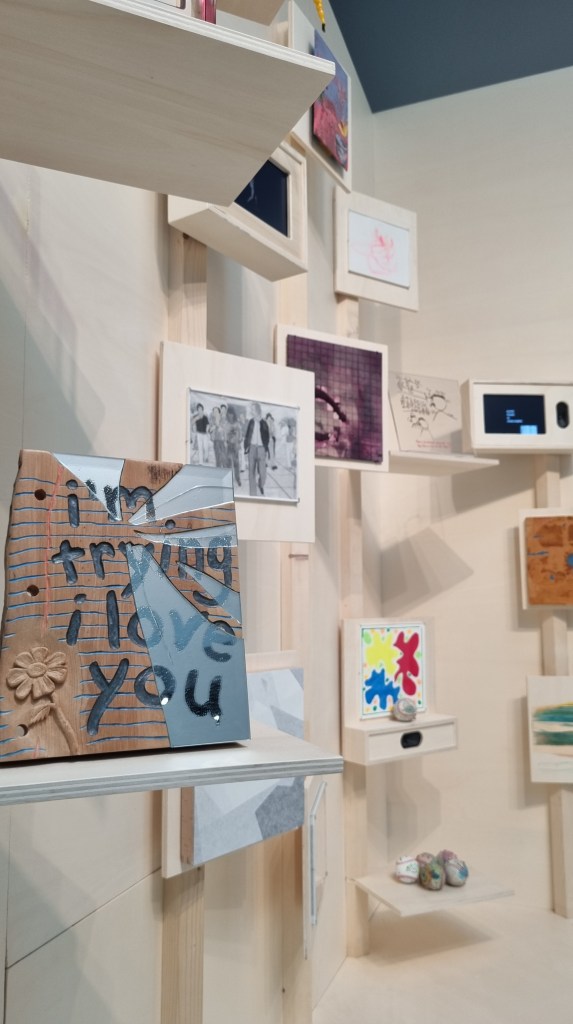
Even exhibition design is made so organic and pure, with natural elements, feeling like you are walking through a tactile world of beauty. Everything is a presentation of imaginations of reality – what you see is what you are. The exhibited artworks feel so true to life, the found objects, the rituals behind them, the natural materials used. Some even resemble the nature of craftwork, which has been with us since the dawn of time and you can sense that pureness through Arsenale as well.
‘Our world is a cosmic garden, reinterpreted through the machinery of our mind, past, present, future.‘
Was really happy to see the artists embrace the visual part of the art more. You can say a lot thorugh that as well, not everything has to be conceptual, like I felt it was for the last few editions, where conceptual art was prevalent to visual art. As art is usually the one commenting on the state of the world, we can now sense we are returning back to basics. And that in itself is beautiful and gives me a lot of hope for the future. To enjoy it visually as well, not just having to think about it. For me it felt that, for example, the political statements are not that much in your face, but you slowly come to these realizations the more you look – you see the world as it is in front of your eyes, but you can at the same time take a big calming exhale and just feed on the allure and stay captivated through it. The heart flutters and sings more when you are able to explore through your eyes and feelings, not just discover through brain.
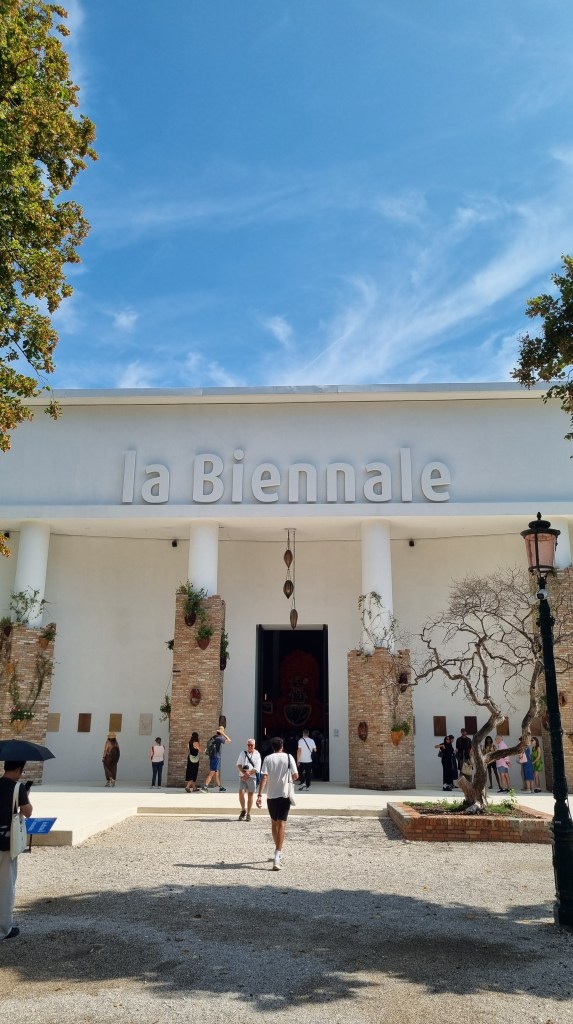
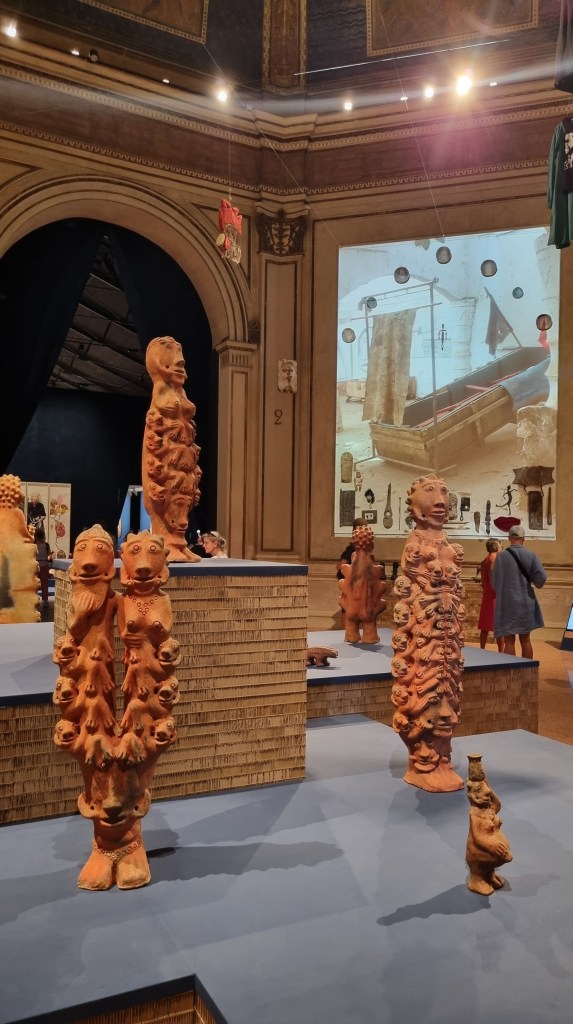
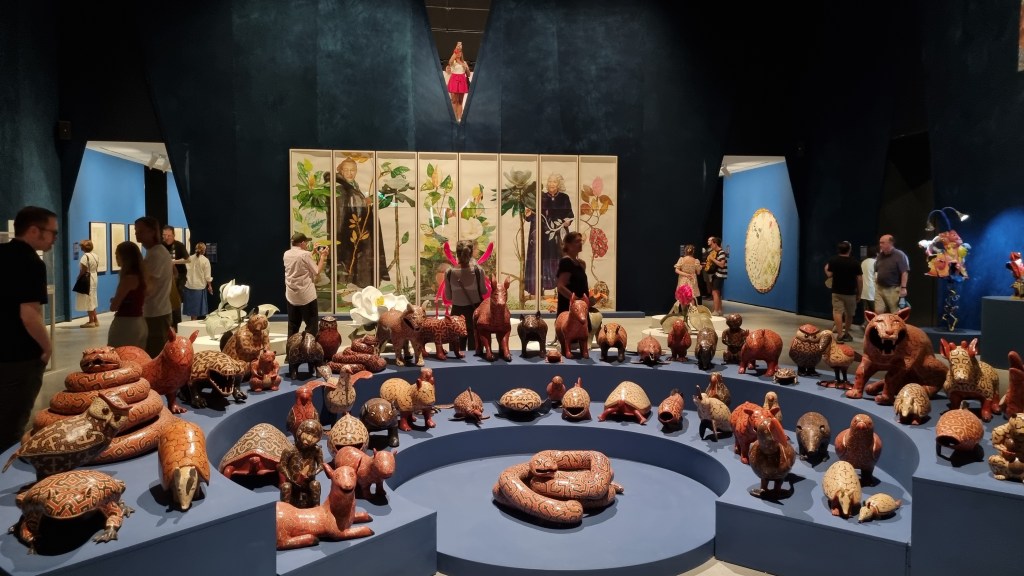
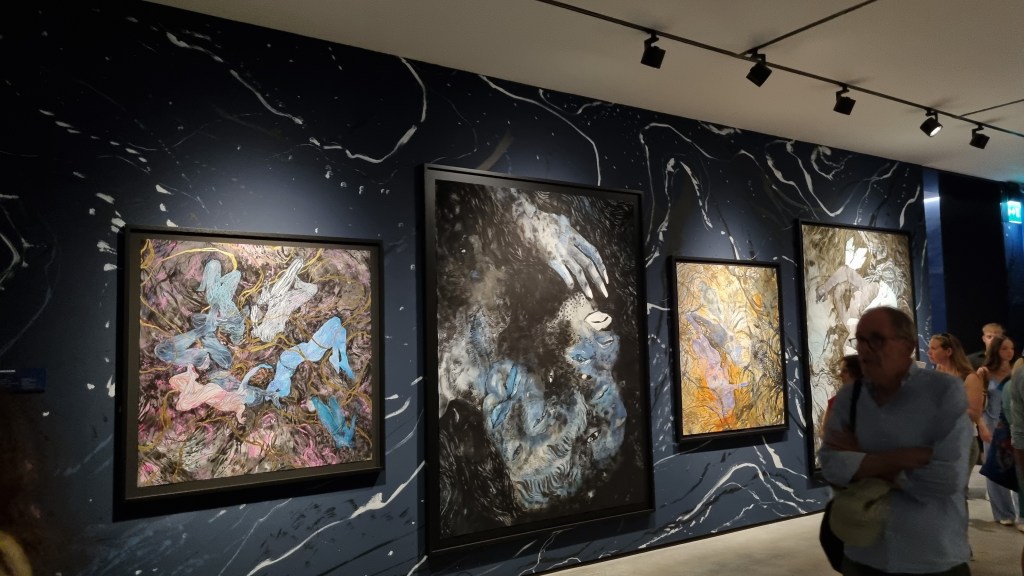
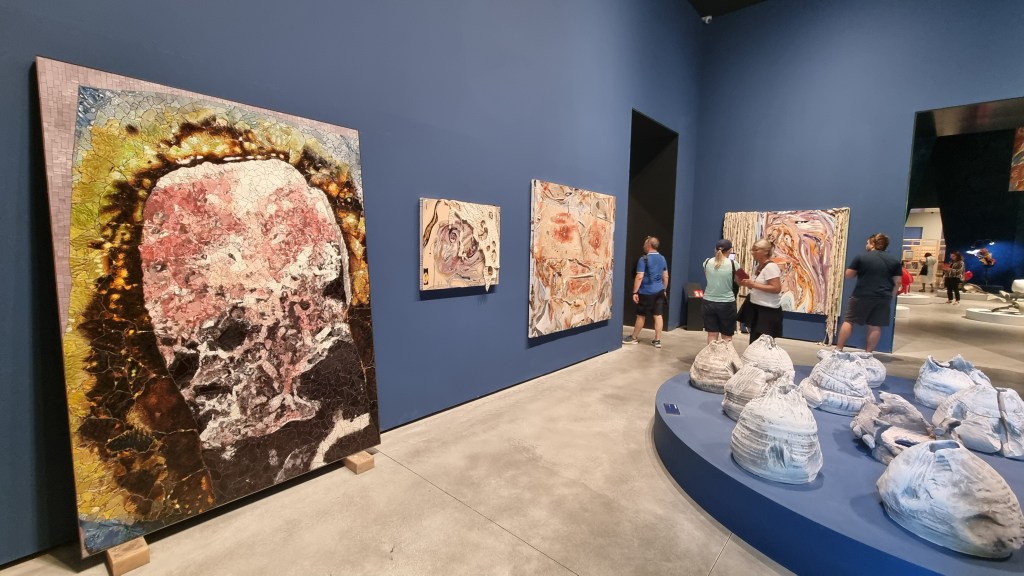
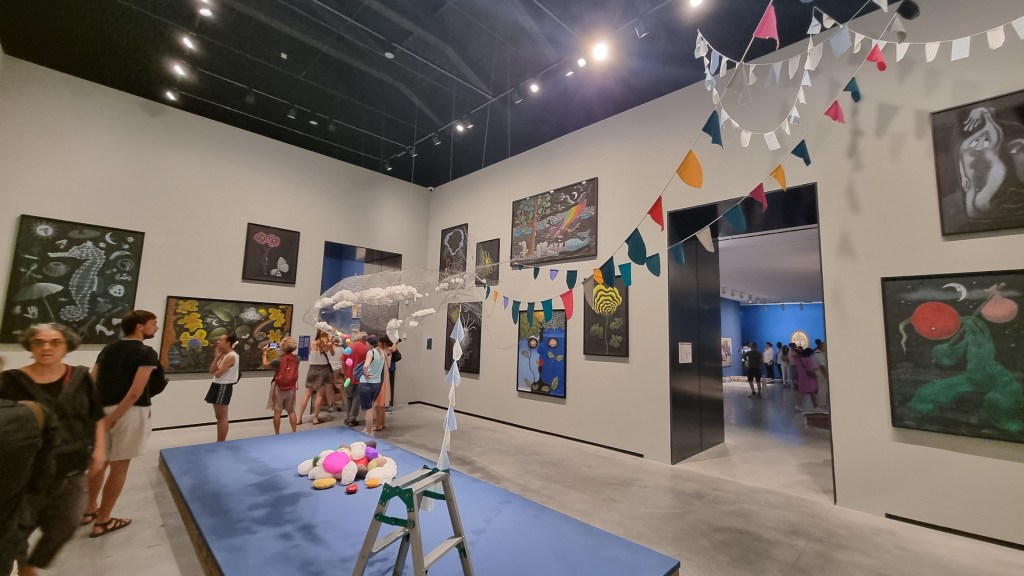
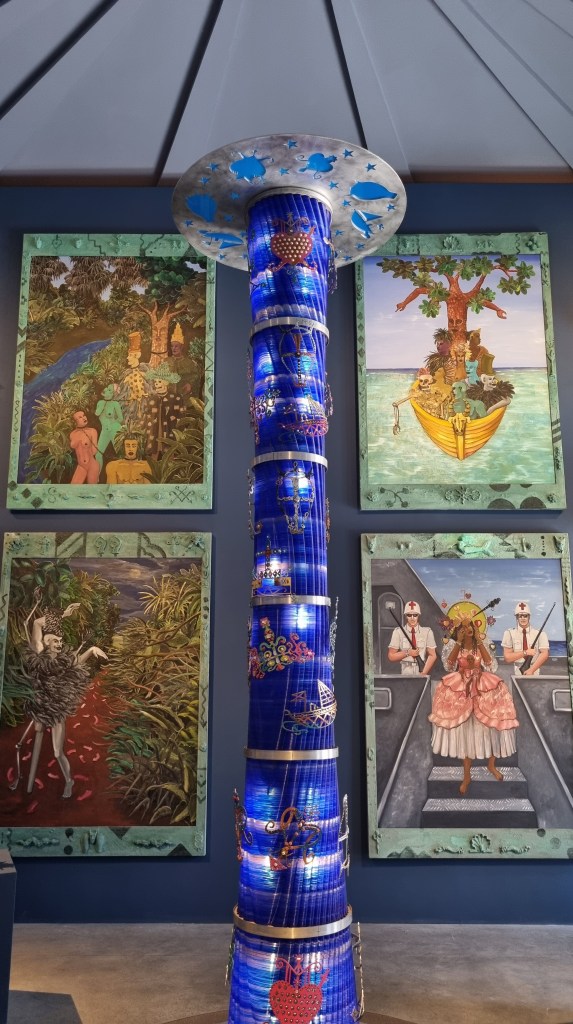
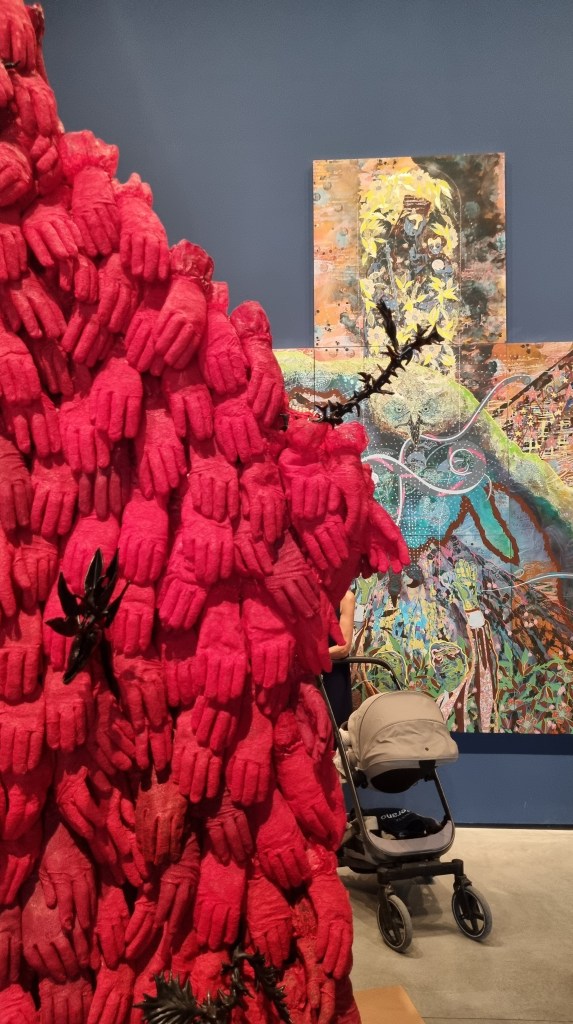
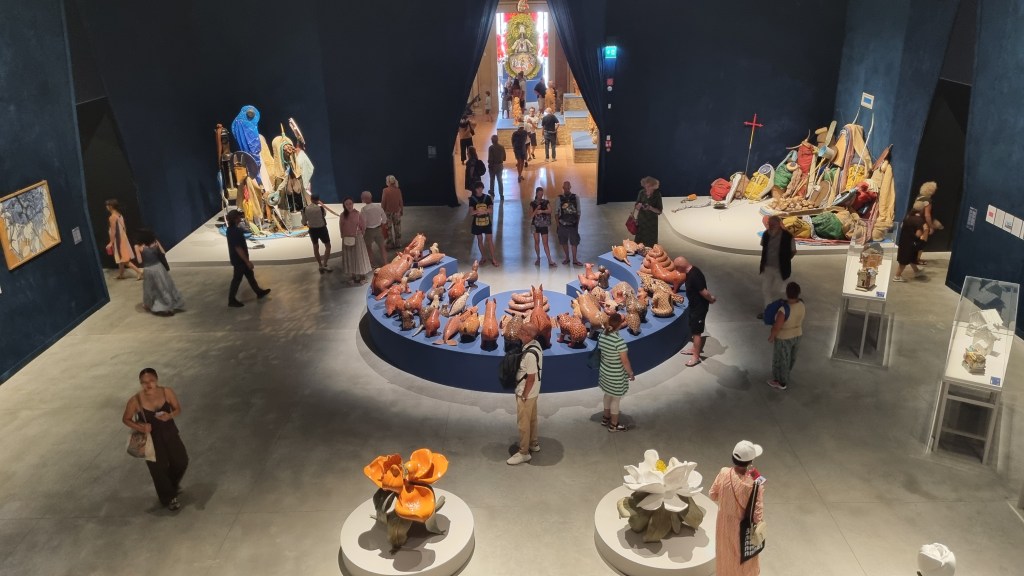
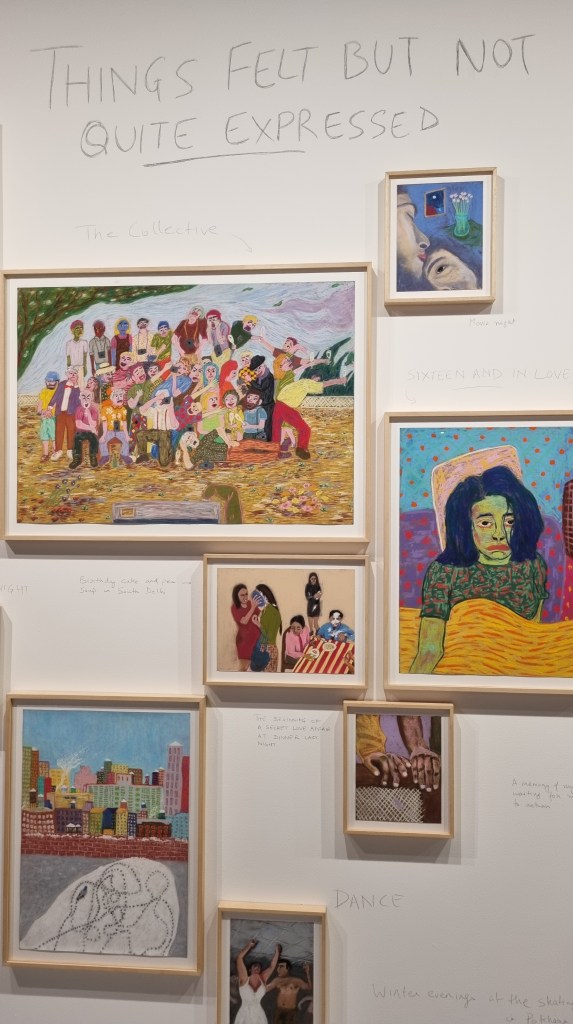
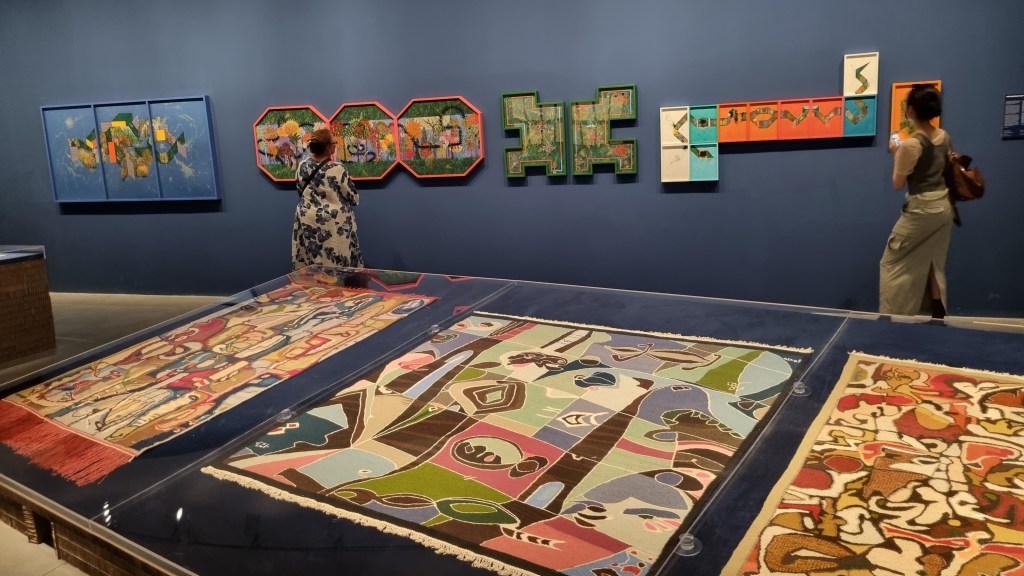
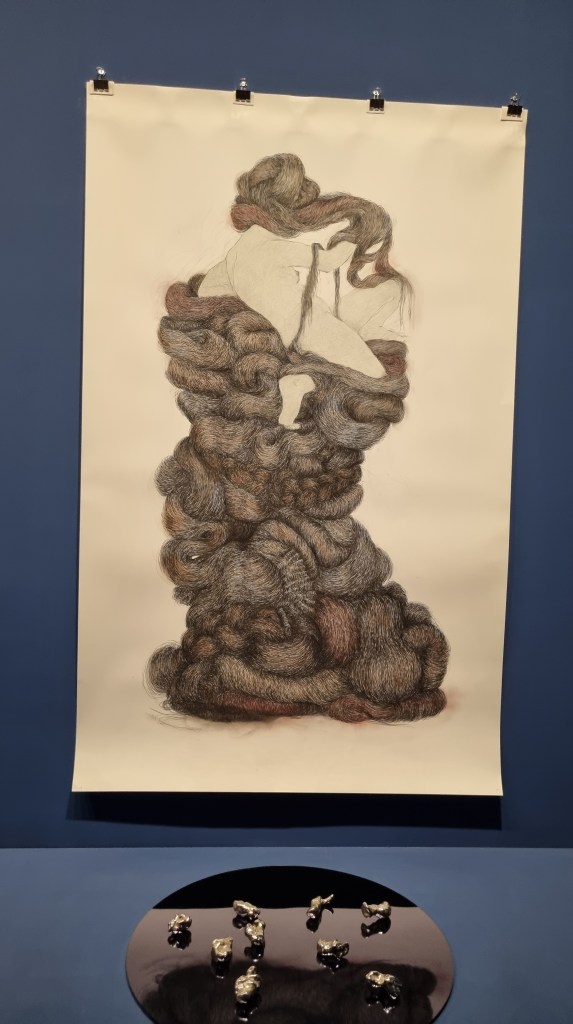
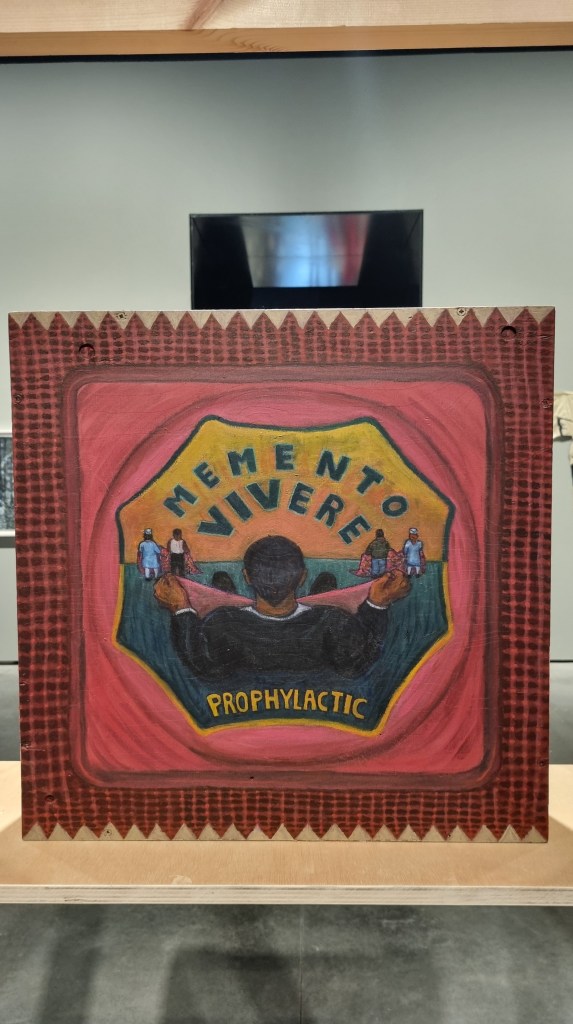
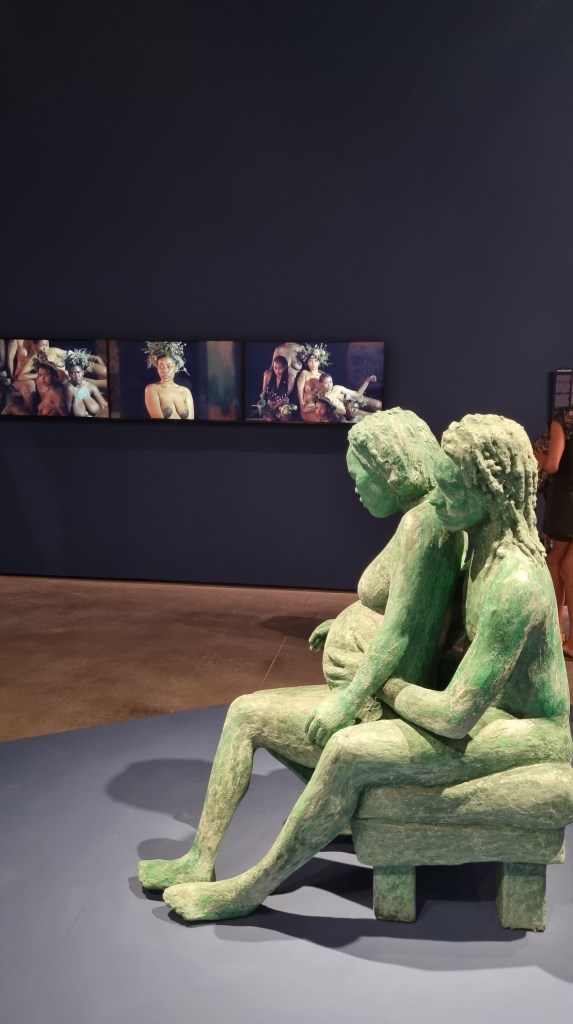
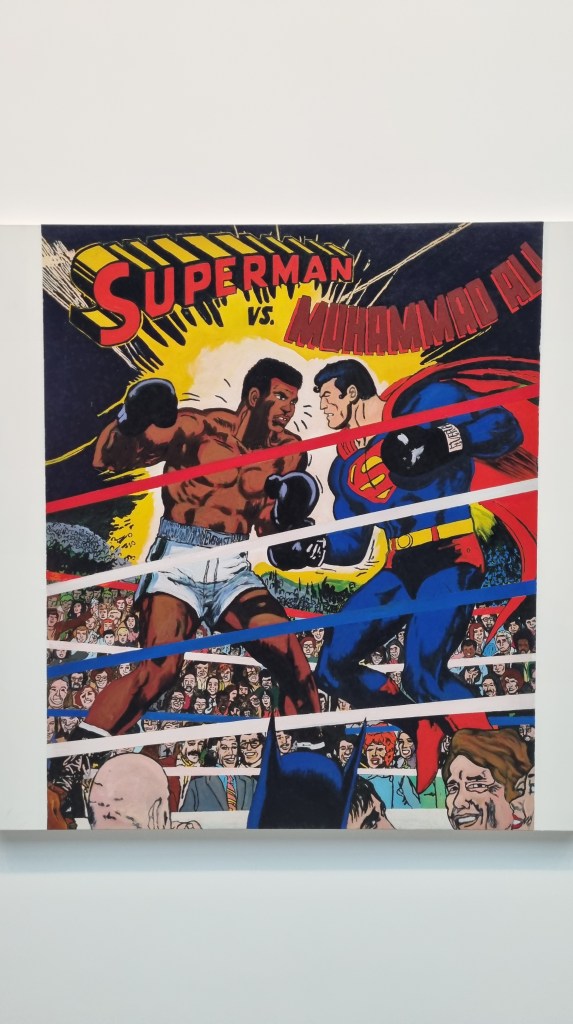
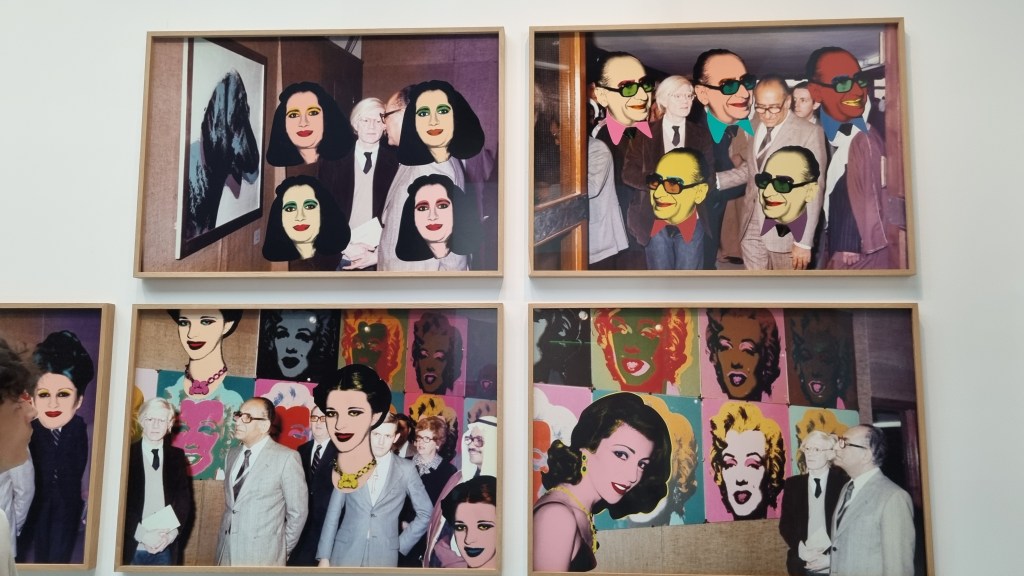
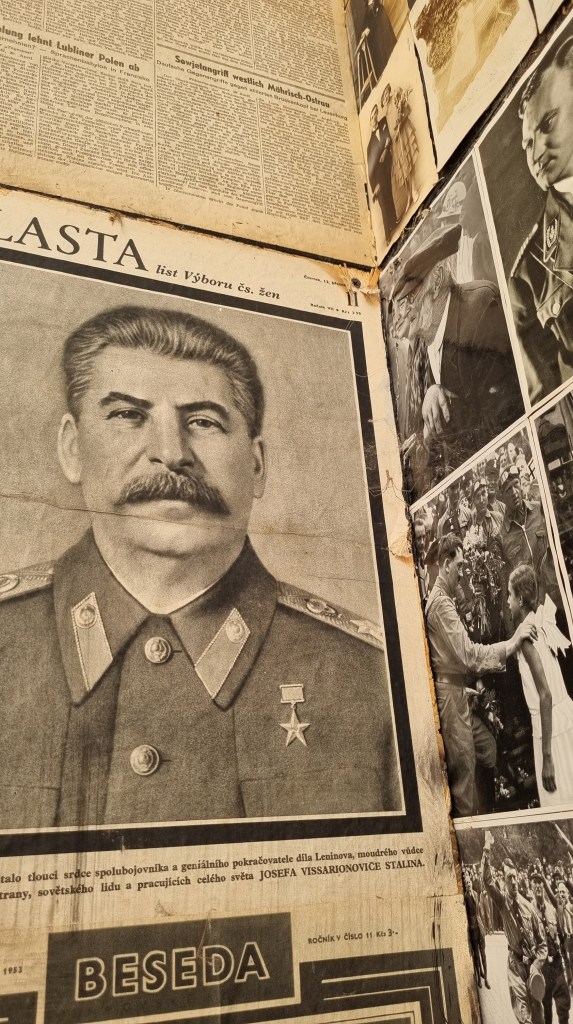
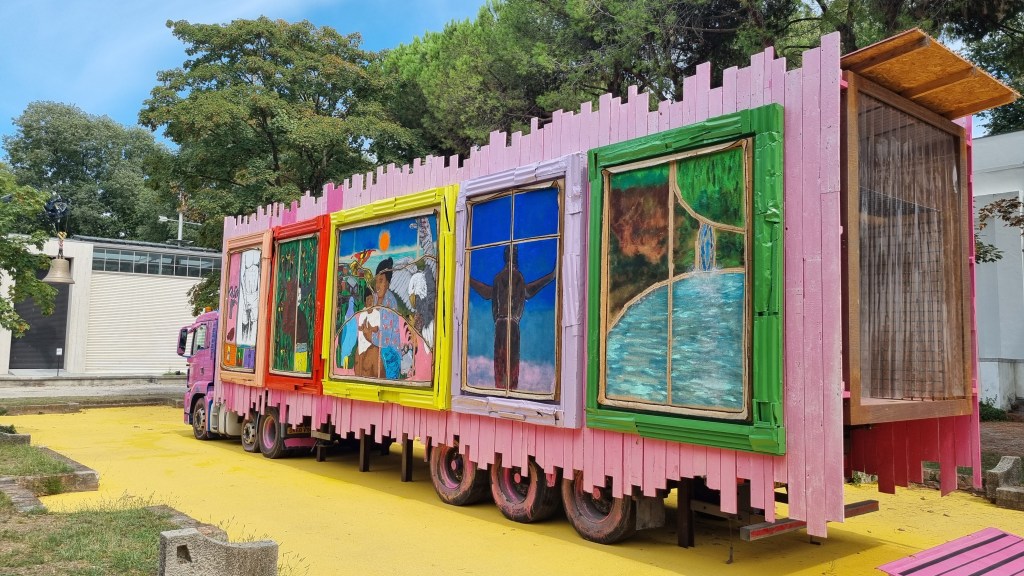
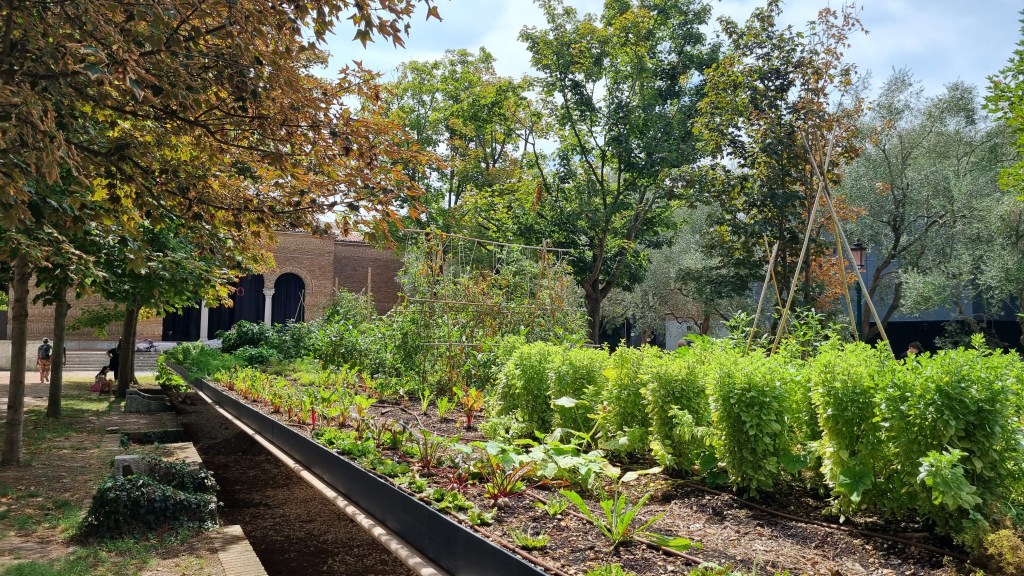
And, of course, not to forget the music emanating from speakers and many artworks, sucking you into the experience deeper. But as well, so many visitors with crying babies surrounding you, showing you the real life even more. Meaning the visitors make the exhibition come to life, through experiencing life within life. And that is what is before you: true life. A silent contemplation through all the surrounding noises. But you can also find the tadpoles in the ponds around Giardini and even the spiders making a new home in the corner on the photo of Stalin (Serbia). There is also a huge garden with different veggies positioned between the Pavillions, made by Linda Goode Bryant, whose installations you can observe throughout the exhibition: ‘My contributions are making a work that captures Koyo Kouoh’s vision and inspires its visitors to see what we too often look away from: question it, imagine something other than it, and create ways that care for the wellbeing of the earth and its many species, including ourselves.’ So, again, it is all about life. Even, for example, in French Pavillion, the colours on the fabrics exhibited will fade over time because of the exposure to the sun.
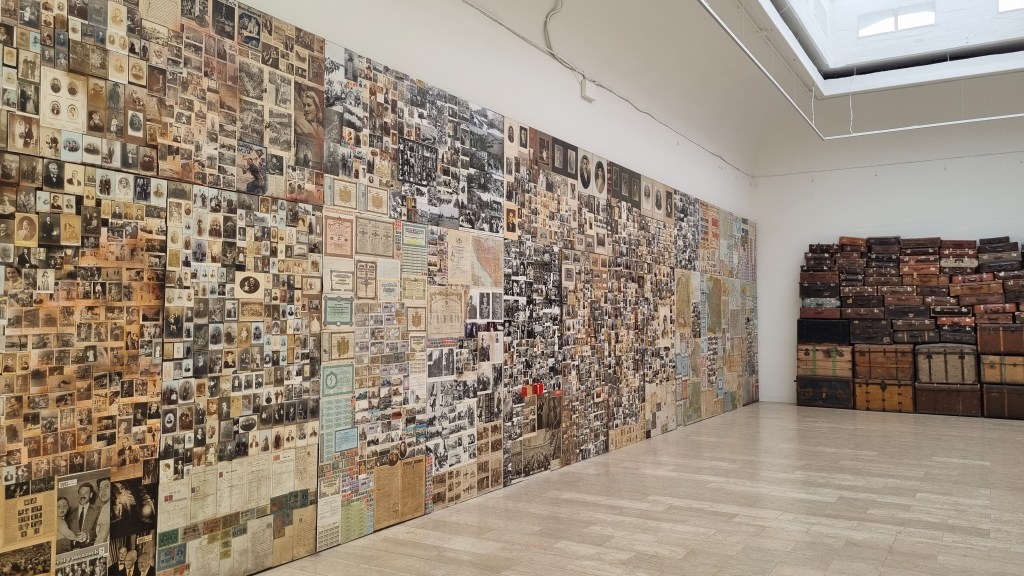
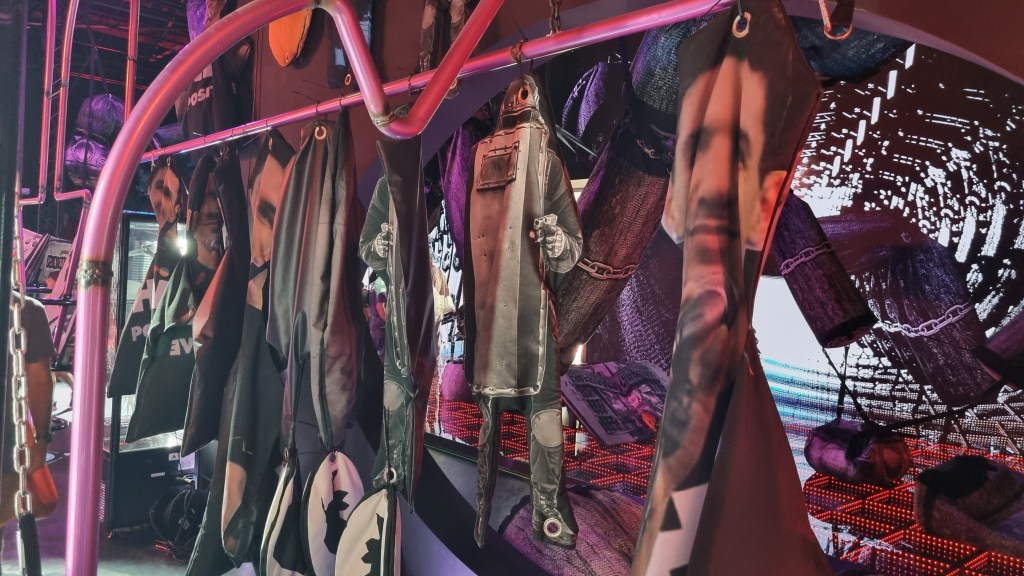
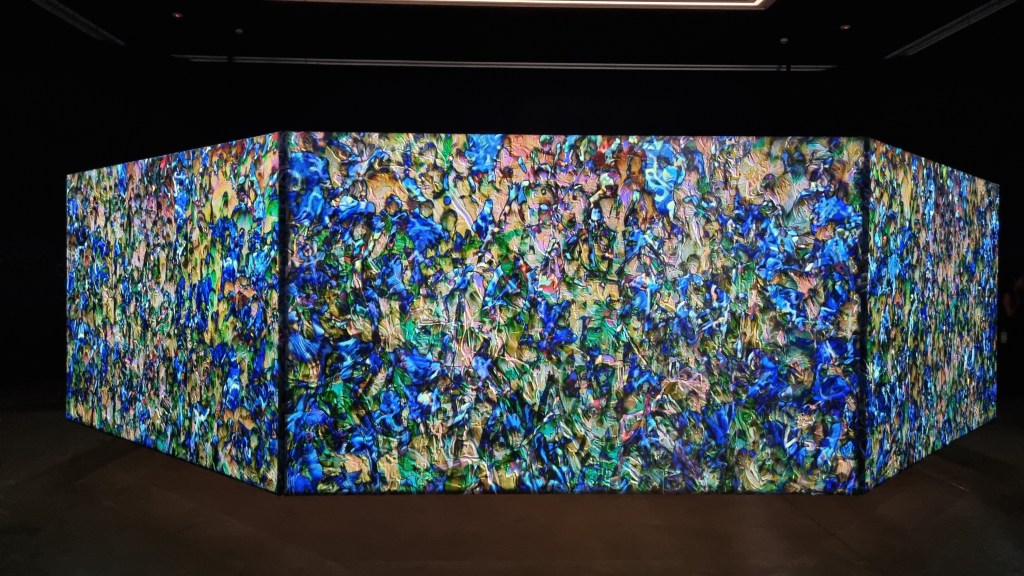
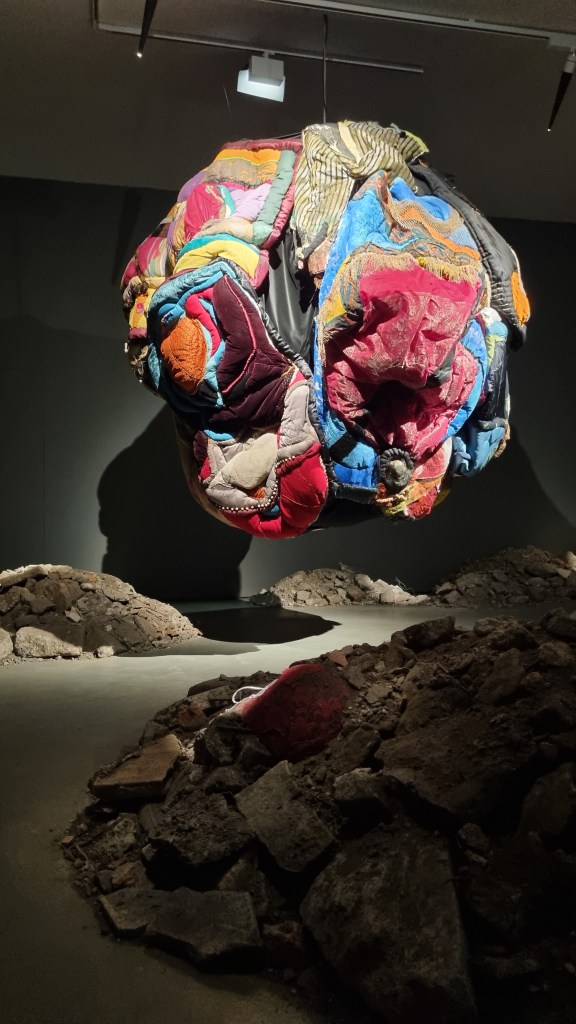
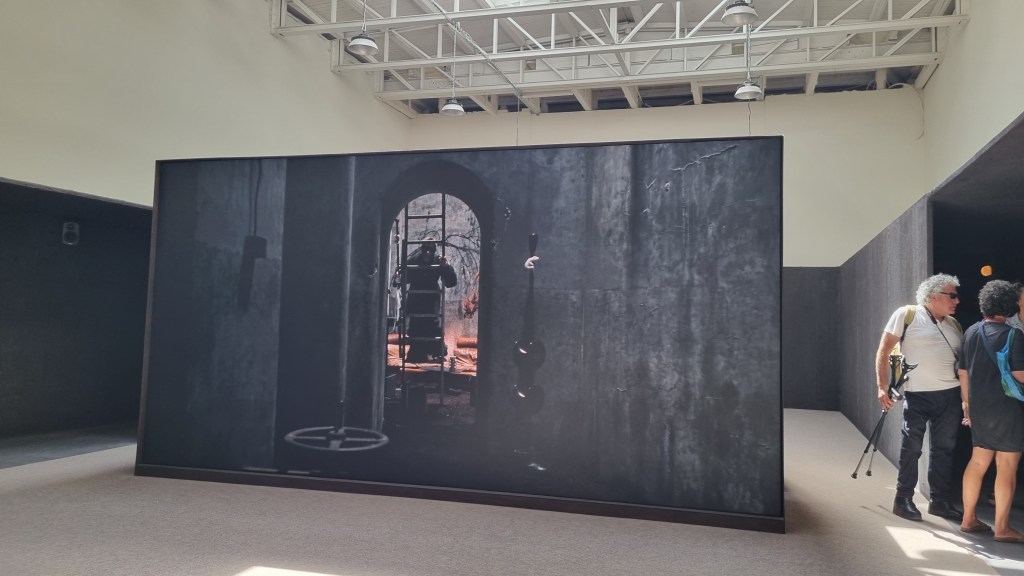
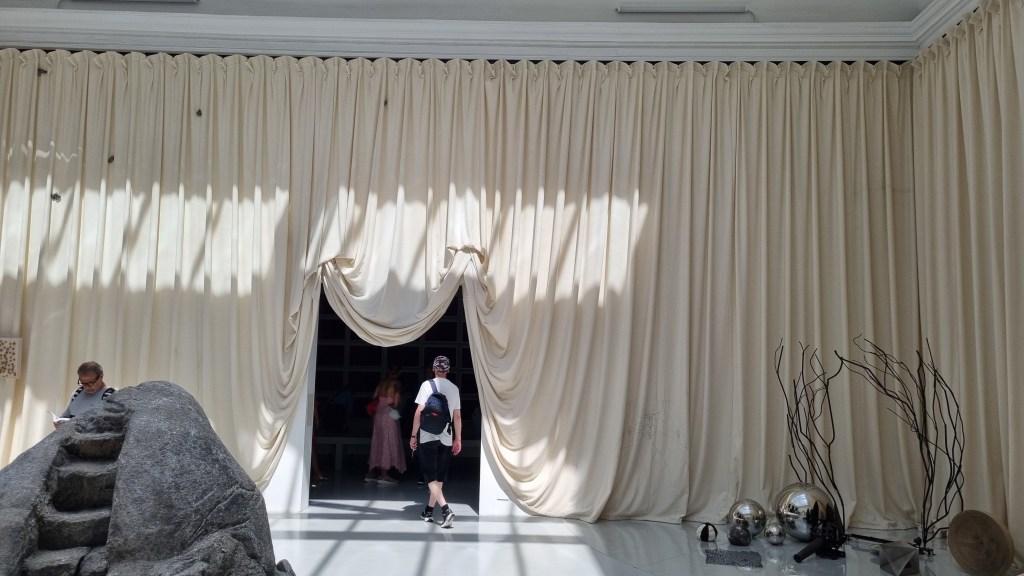
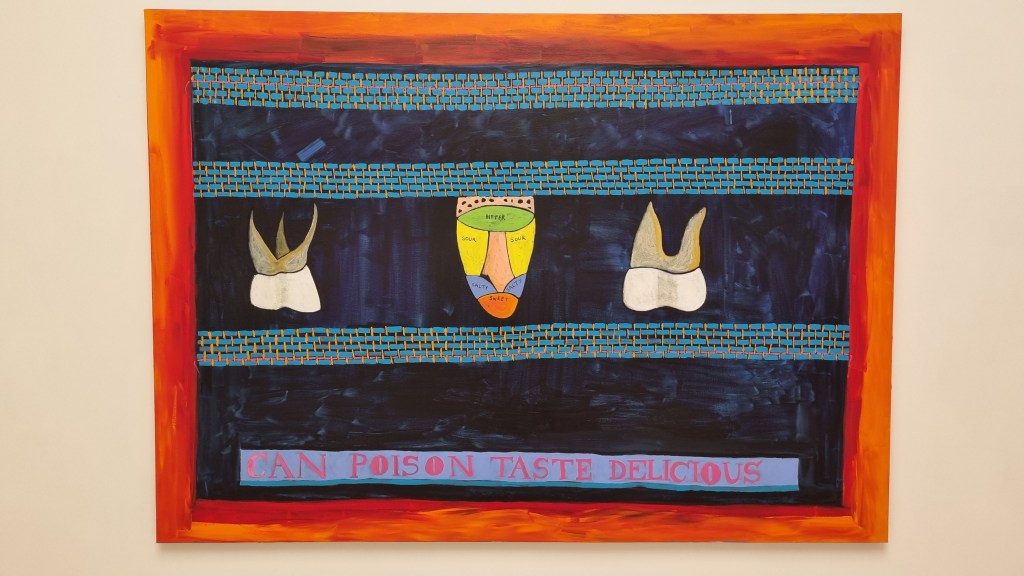
At the same time, quite a few artists dealing with the destruction and needed conservation (Slovenia, India, Saudi Arabia), fighting not just for ecology, but also for the preservation of human history. Making audible and visible what history tries to leave unheard and unseen. ‘The growing need for the humans to collaborate with each other and listen to the more-than human..as there is an unstable boundary between the erasure and remembrance, especially of our histories.’ (Uriel Orlow)
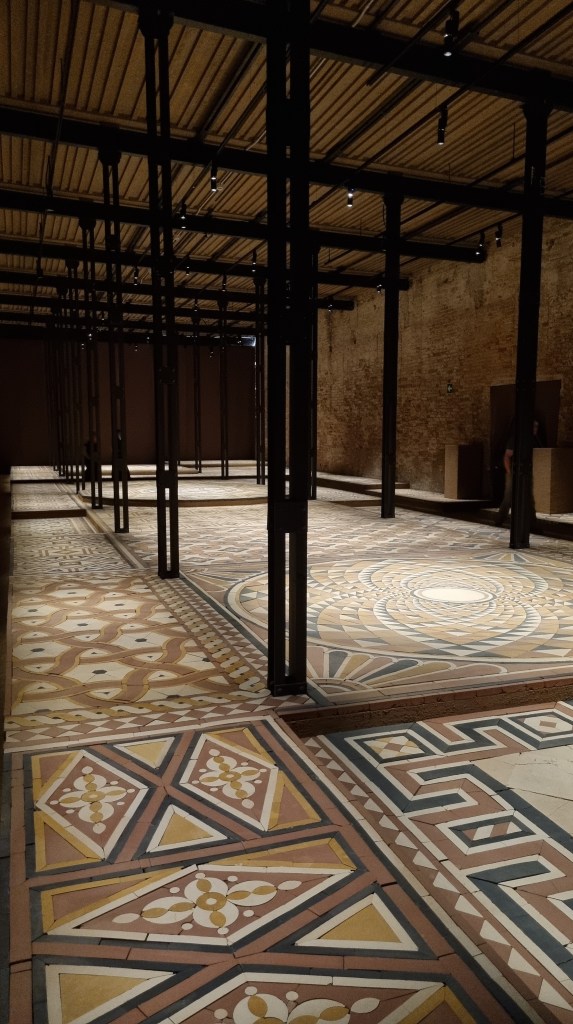
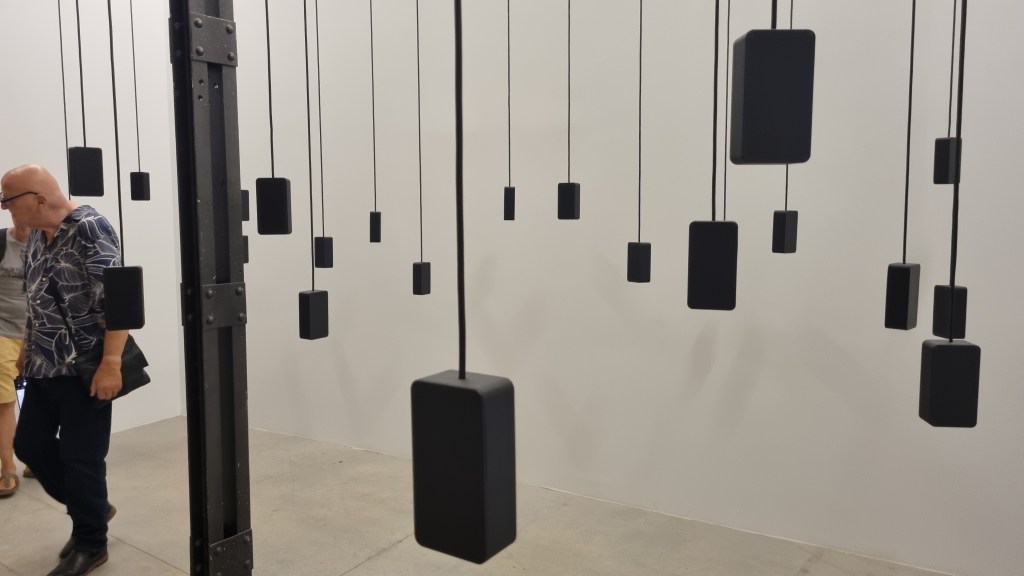
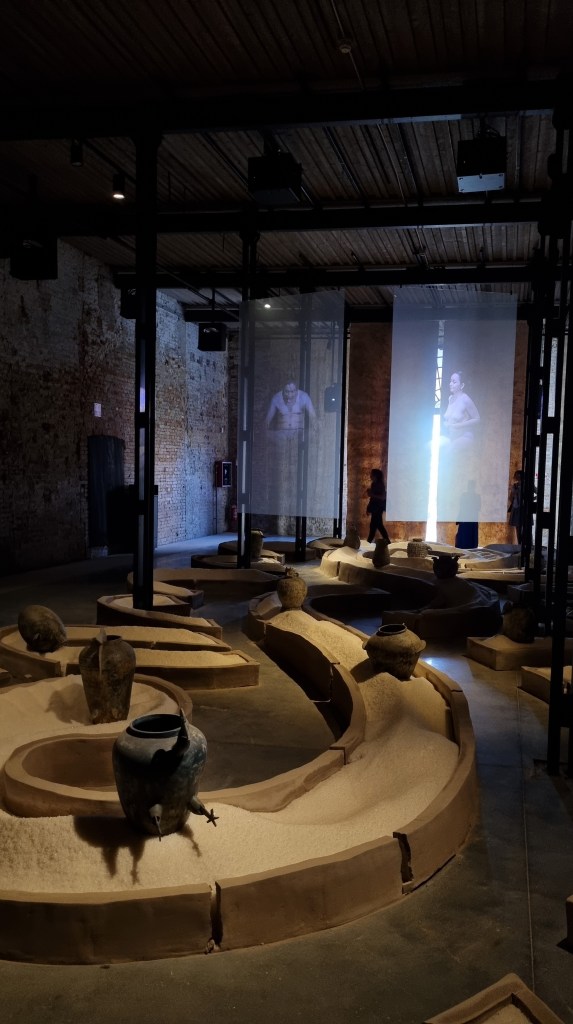
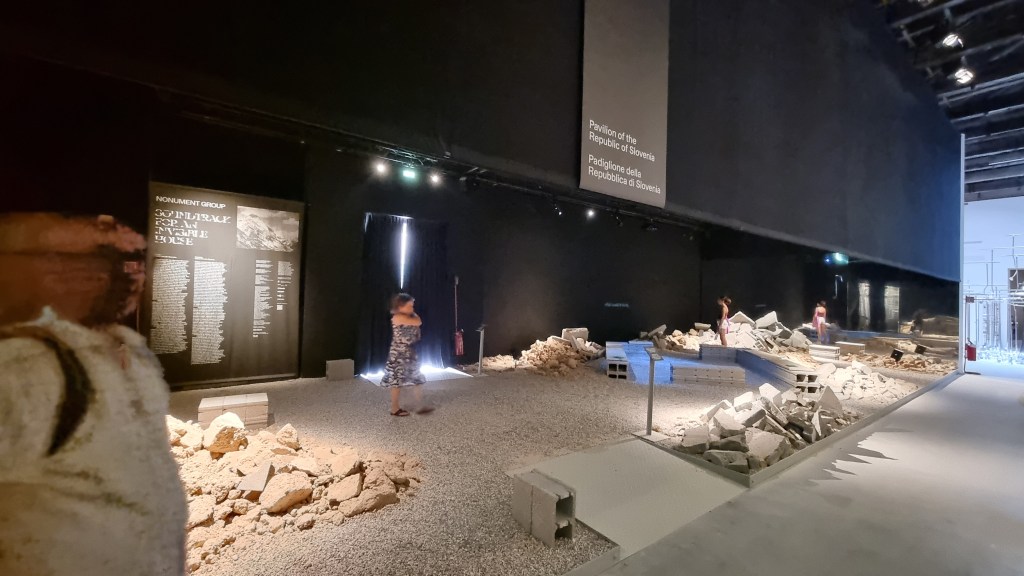
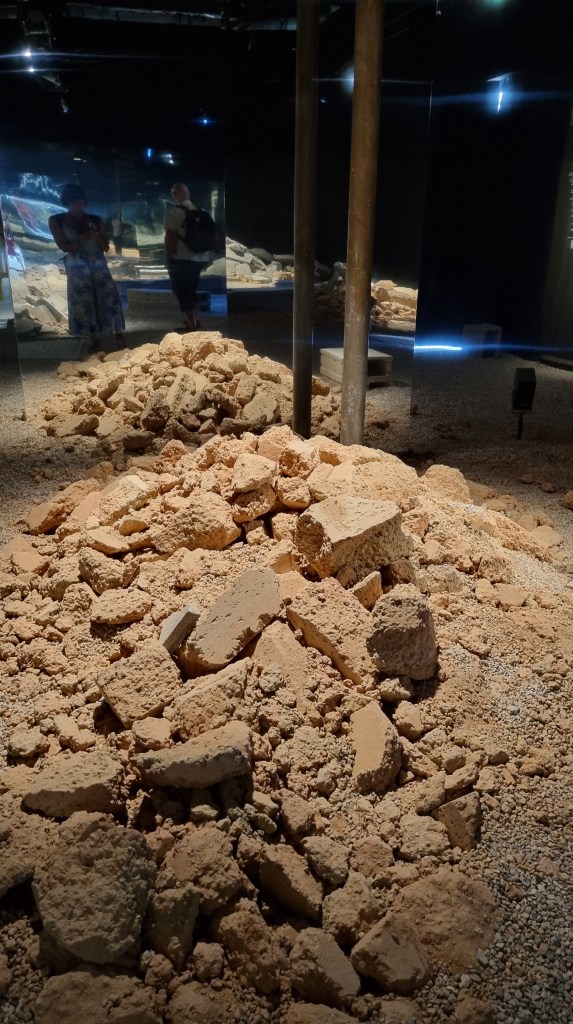
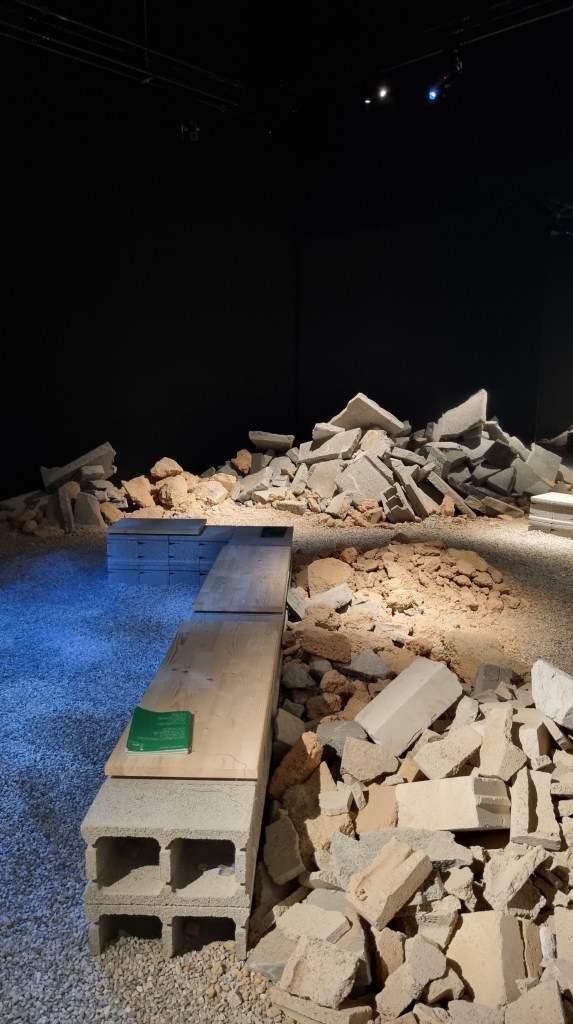
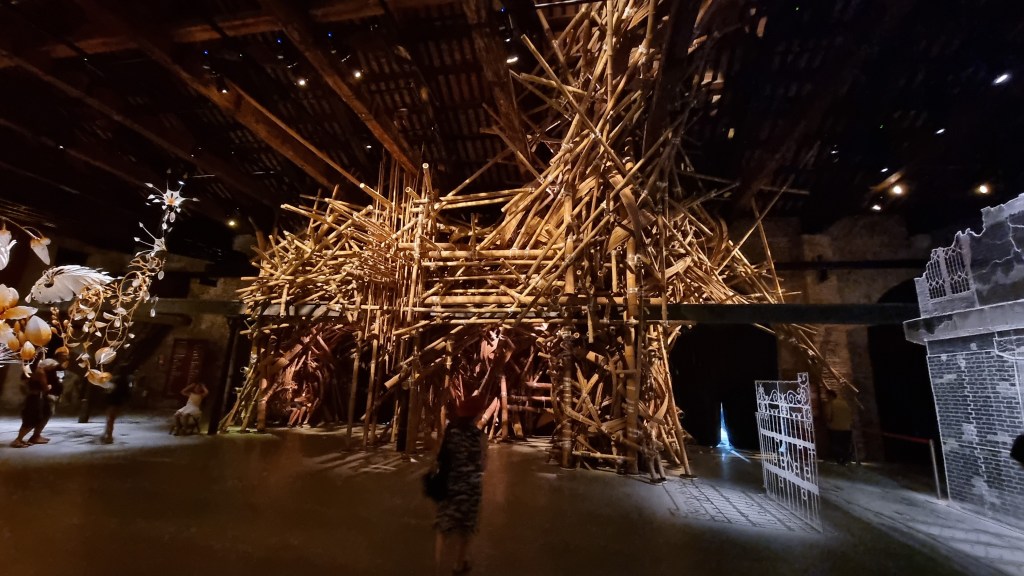
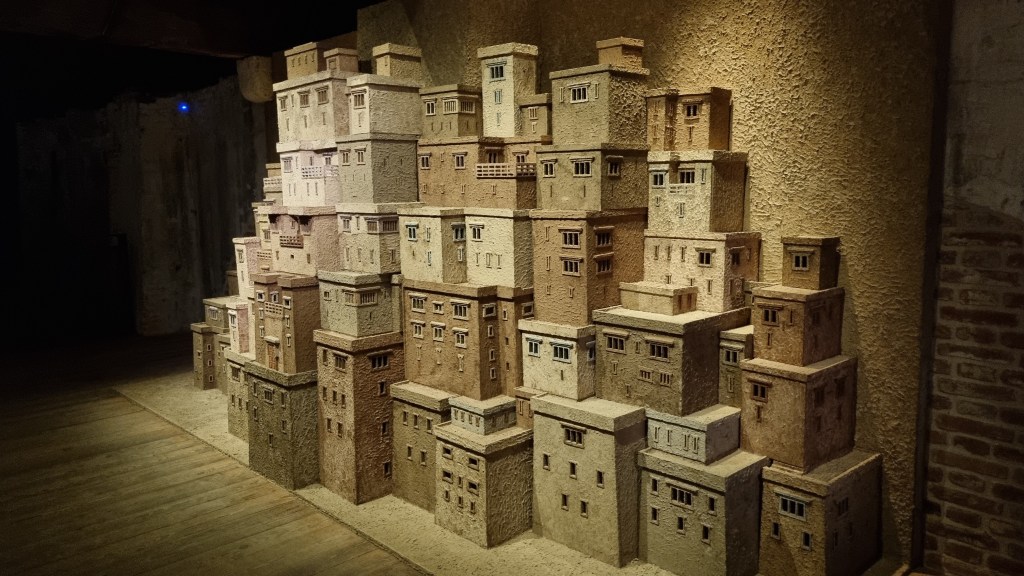
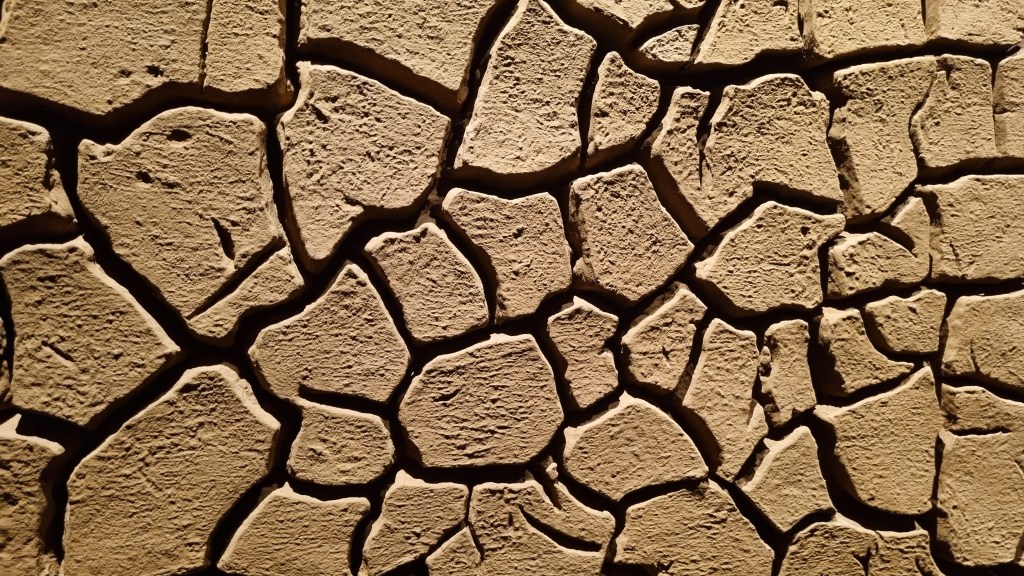
You see a relentless destruction of the planet, while focusing at the same time on the plenitude of possibilities available to us today – what is our focus, what is our mission?
‘When you look at the world through the eyes of the past you fail to grasp the present. When you look at it through the eyes of the future, fear overtakes you. Then the mother comes – she doesn’t judge, she looks at you with her embrace, with the eye of love and compassion. In that embrace another gaze opens, not as pathos, but as a quiet refuge for the human capacity to shed a tear.‘ (Serbia) Oh, isn’t that the most beautiful quote you have ever read – and you could say that is exactly what art is?
Listen to the silence, observe the invisible, the intangible, as the Egyptian Pavillion invites you to, as well as the artworks of some other countries – a pure invitation to the meditative state and calmness that we crave so much, but don’t give ourselves enough of in this cortisol fuelled world. Just being immersed into art and through it into yourself. You are invited to get united with yourself in the peace, the quiet, relaxation. And when you are relaxed, your mind is open more to receive. ‘Sometimes survival is learning to breathe and to listen again.’ (Yo-e Ryou)
And circling back to crying babies: Japanese Pavilion is filled with baby dolls that you can carry around and when it is time to change their diaper, you are presented with a special poem. Again, dealing with the world decline in fertility rates. Finland, Sweden and Norway explore through their practice how space can hold multiple presences without resolving them. Bodies disperse and reassemble, structures strain and soften, and meaning emerges through accumulation rather than clarity. They do not offer a single narrative. Instead, they invite the viewer to move through an environment where experience unfolds gradually while exploring it more – and to each their own. And this could be said for the whole Biennale – you are the experience.
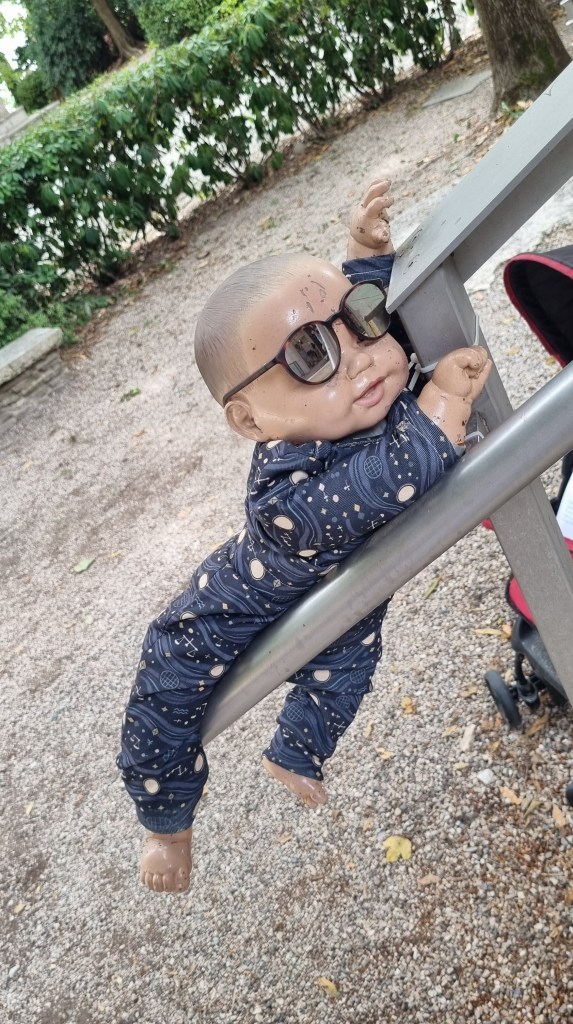
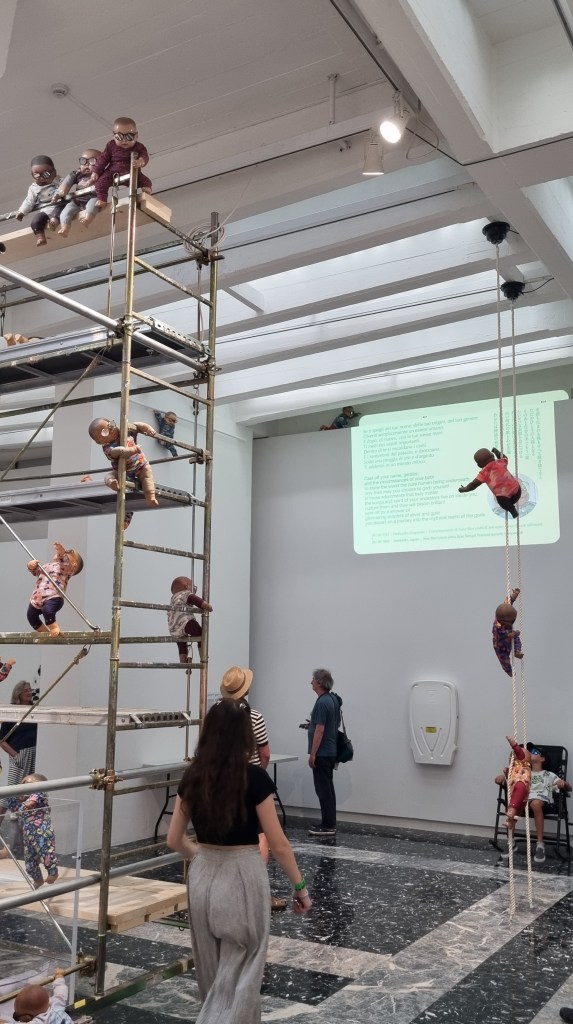
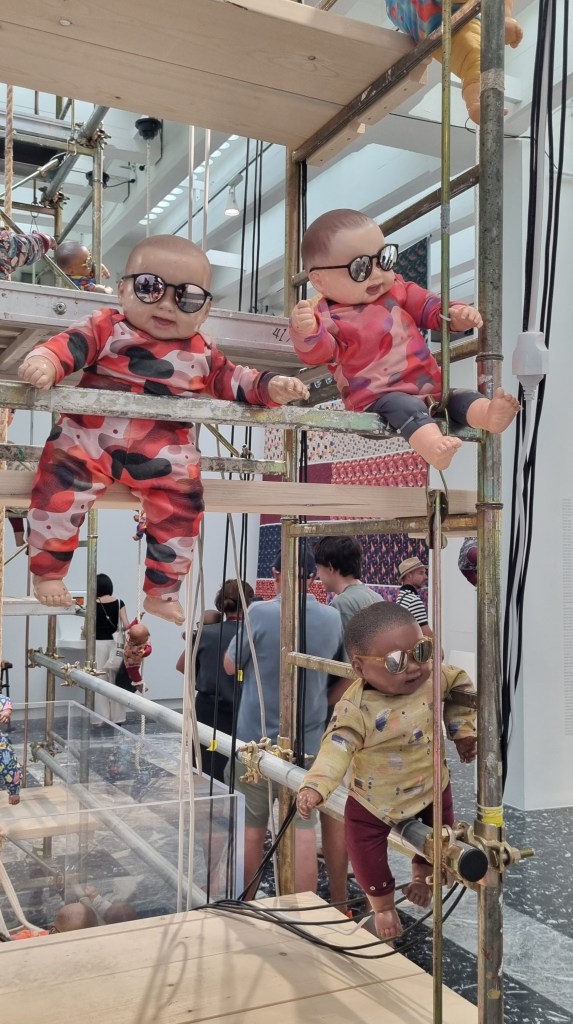
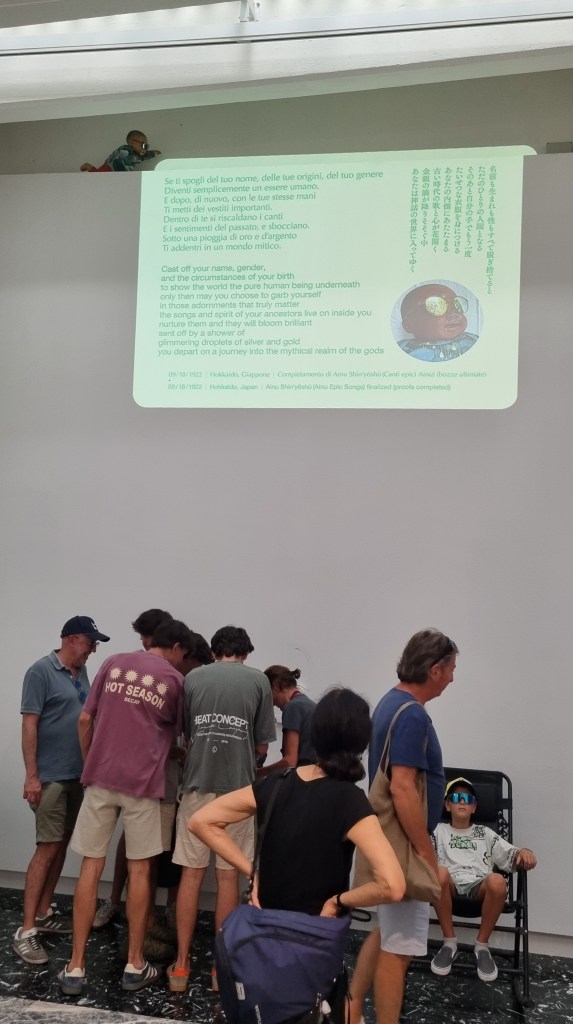
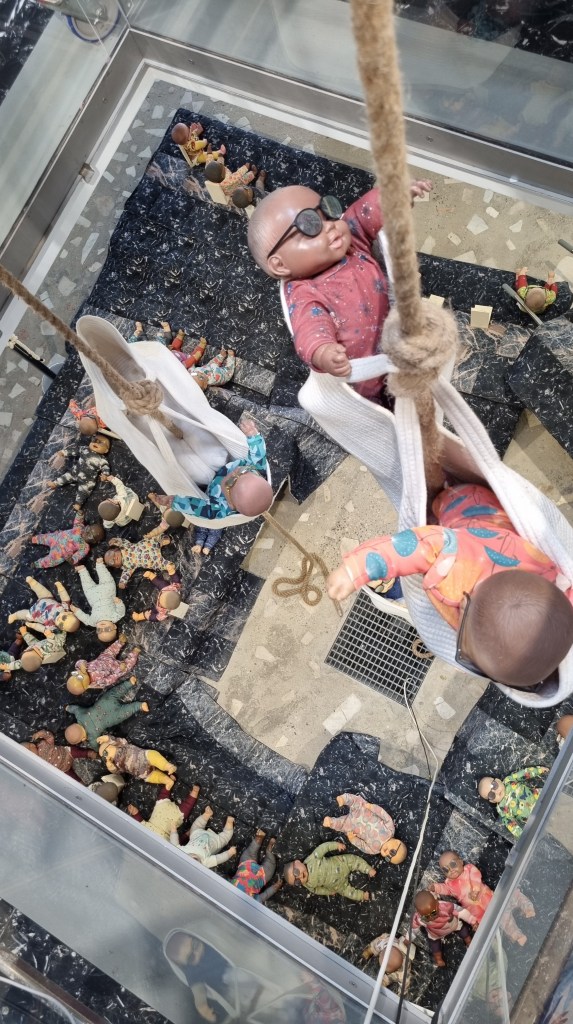
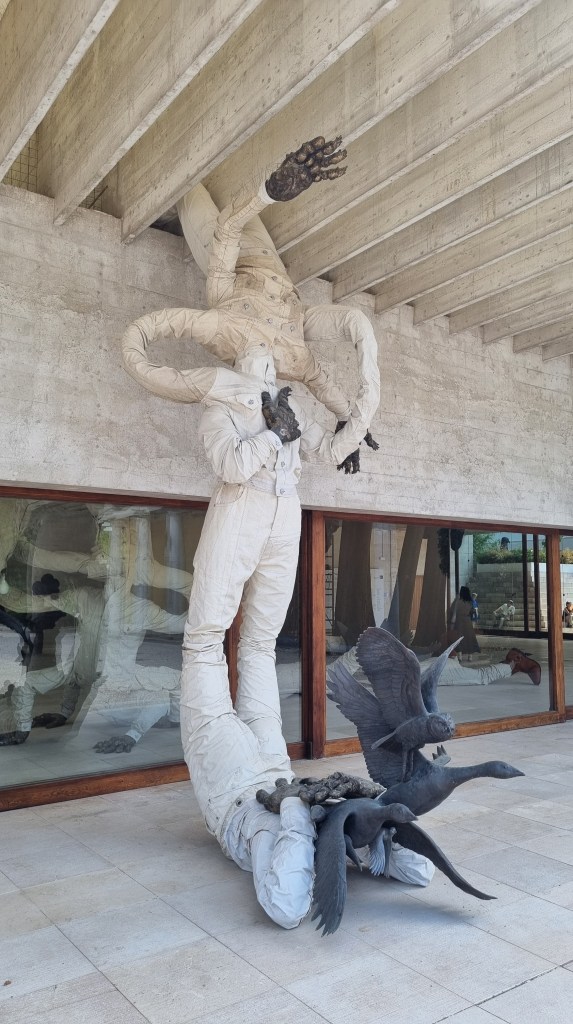
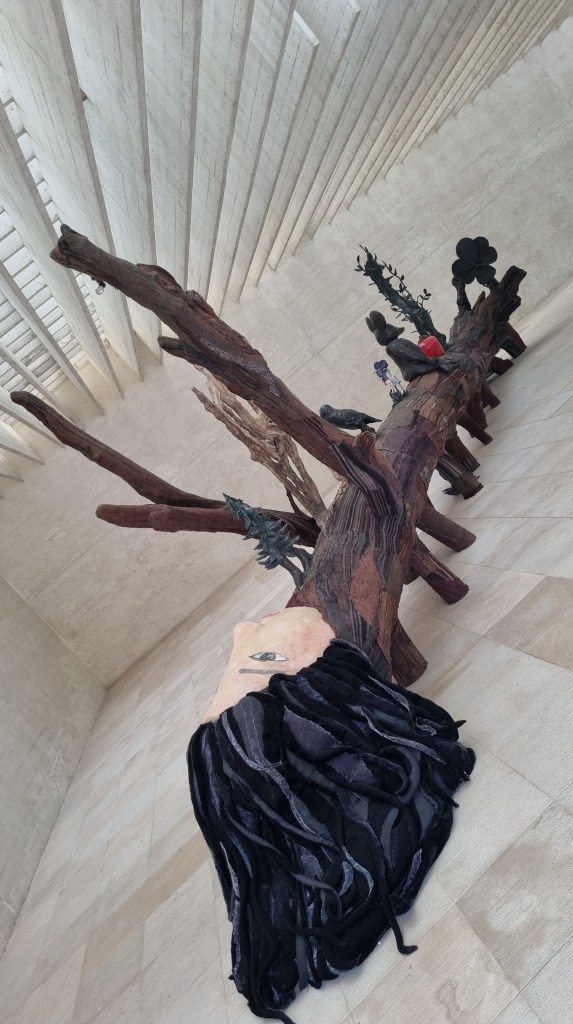
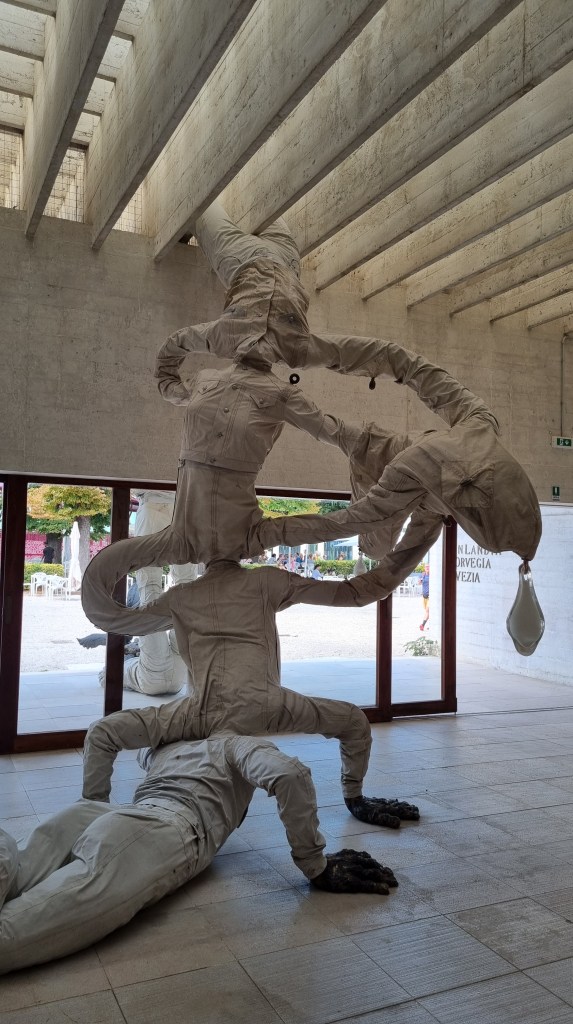
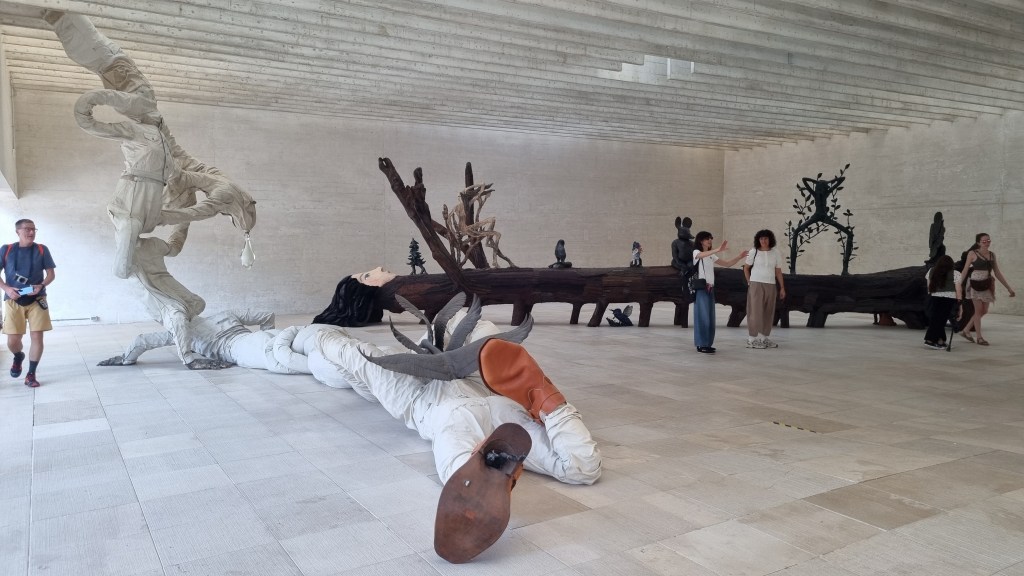
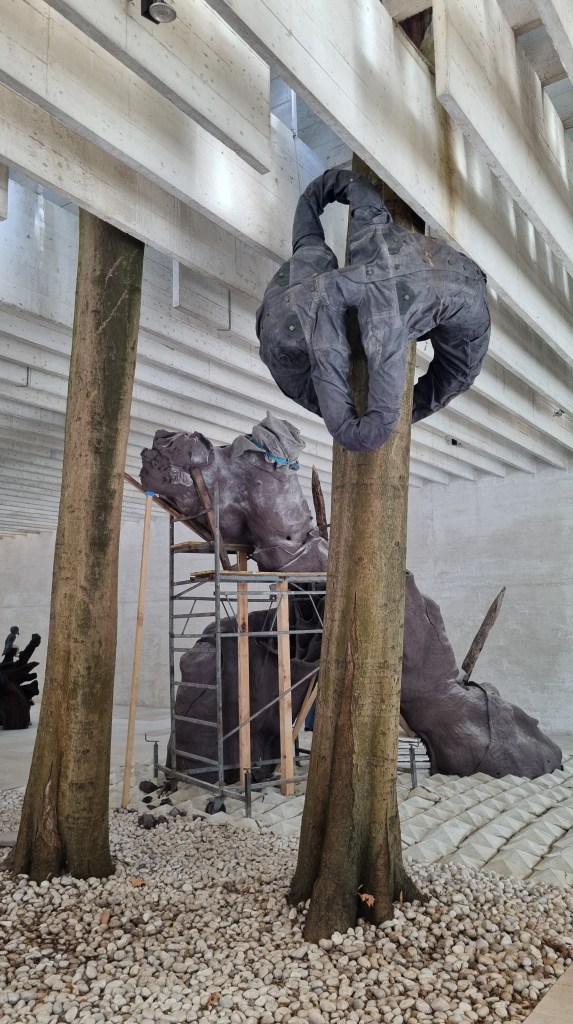
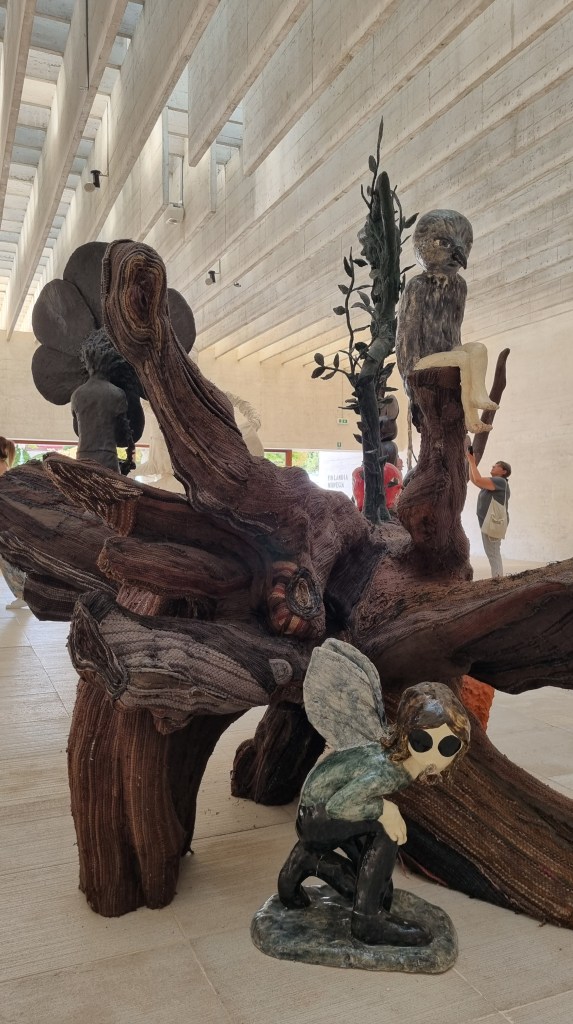
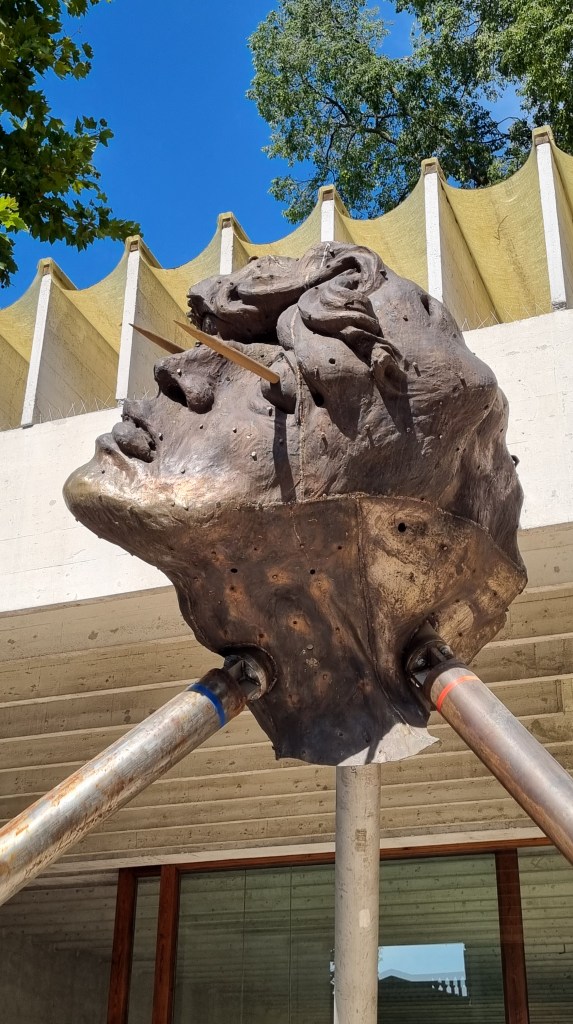
What showed me that even more is quite a few same artists are exhibiting their artworks in Giardini as well as Arsenale. And their artworks get a completely different meaning, being surrounded with different art, telling a different story through that.
I found myself walking around with open mouth and had to consciously catch myself to close it.
Spiritual understanding of ecology, the nature is shown through art, the beauty that makes you think, artists visions of life. The passage of life, the fertility and resilience of the human condition. The artworks become an invitation to linger, to breathe and to proceed in one with the space. You enter the realm of art, world, humanity, history, present and the future at the same time. Questioning the fragility of emotions and human life and all our ideologies, as well as our own (dystopian) realities.
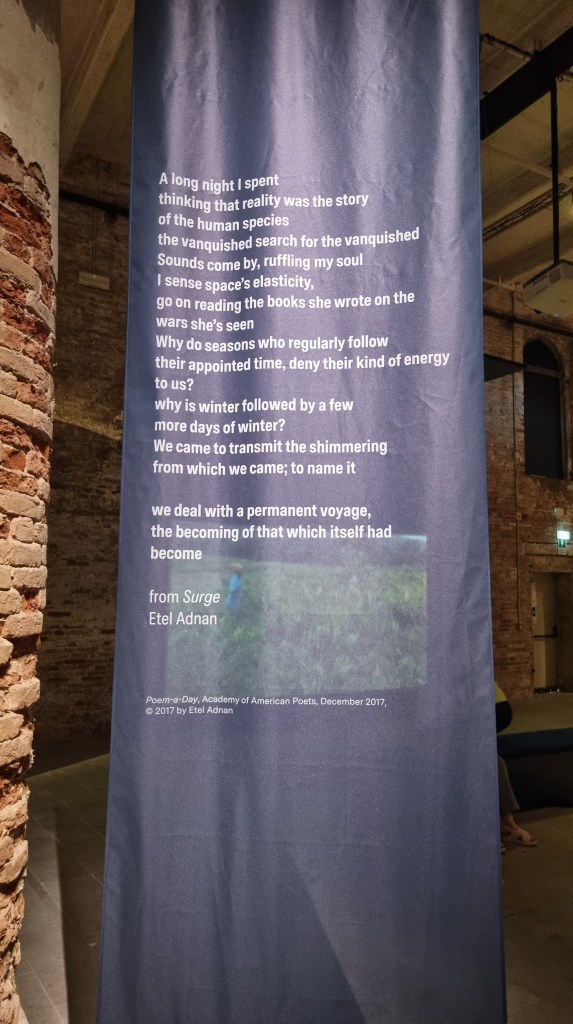
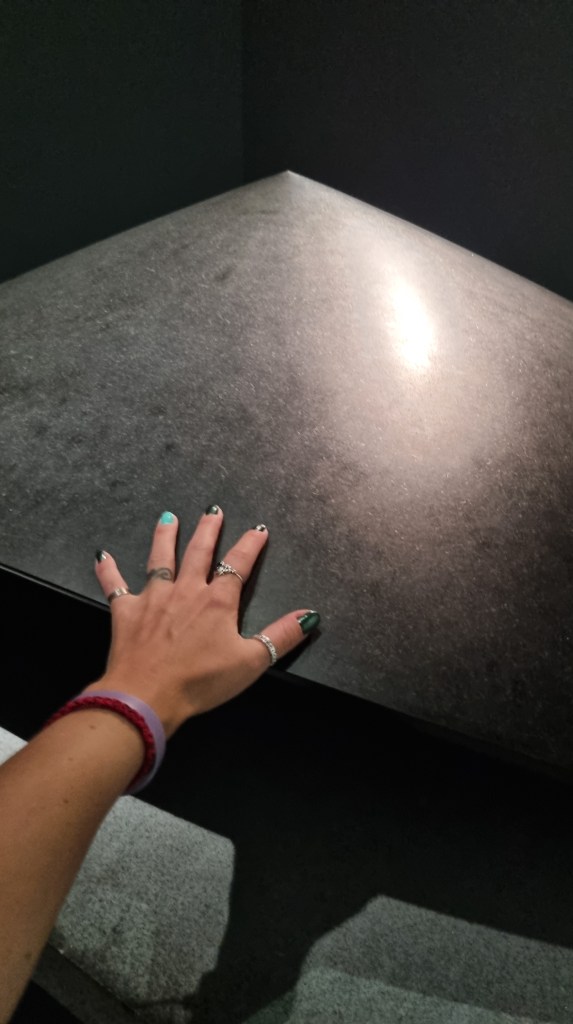
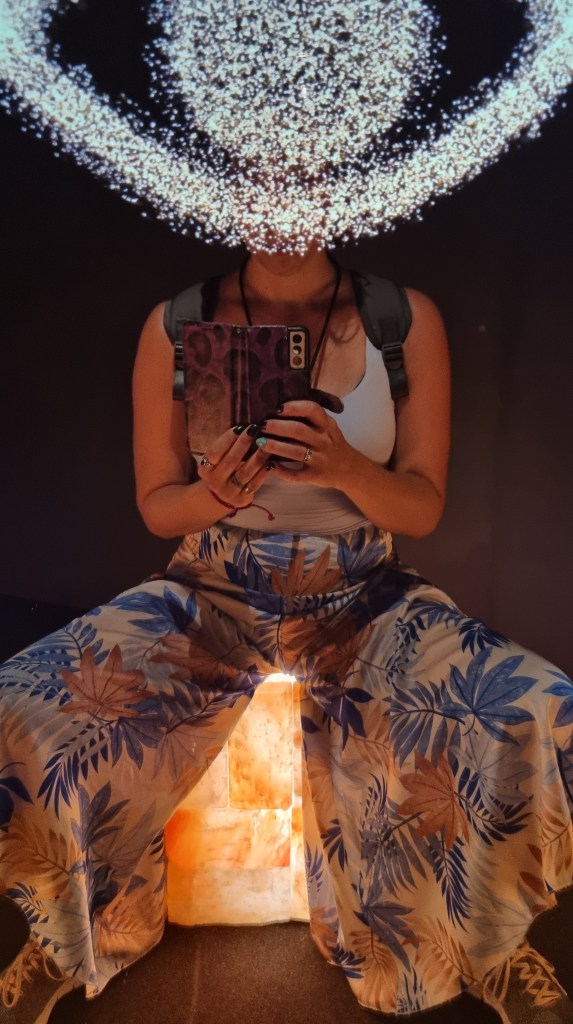
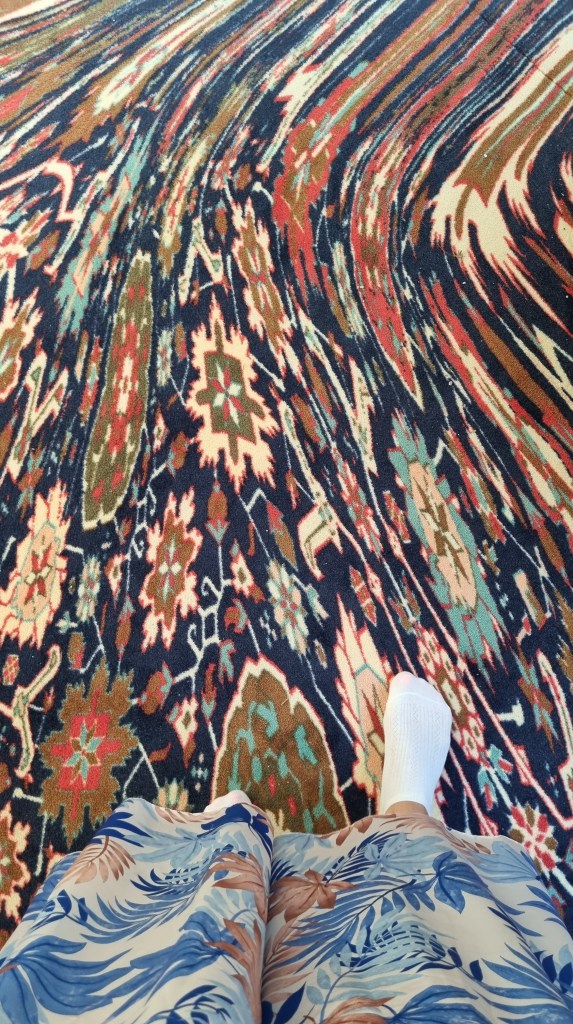
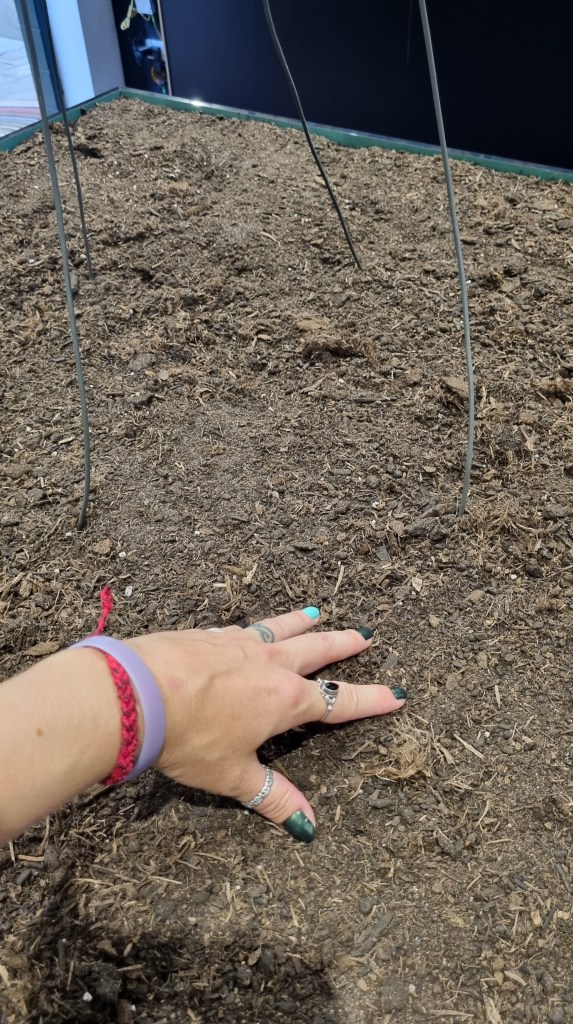
I also really enjoyed the tactile aspect of some artworks – as you might know, I am the person that wants to touch everything to understand it even more. And here you get this opportunity – touching a piece of ancient granite (Egypt), the dirt (Azerbaijan), a huge jade stone (New Zealand), slabs of salt (Pavlina Vagioni), etc., things that came from the earth and are of Earth. Or even being made to walk on different surfaces (salt, dirt, rugs, etc.) gives everything a different and deeper meaning. Listening to the thumping of your heart, grounding you and at the same time pulling you forward towards the Universe. When you slow down, the powerful internal experiences come to life.
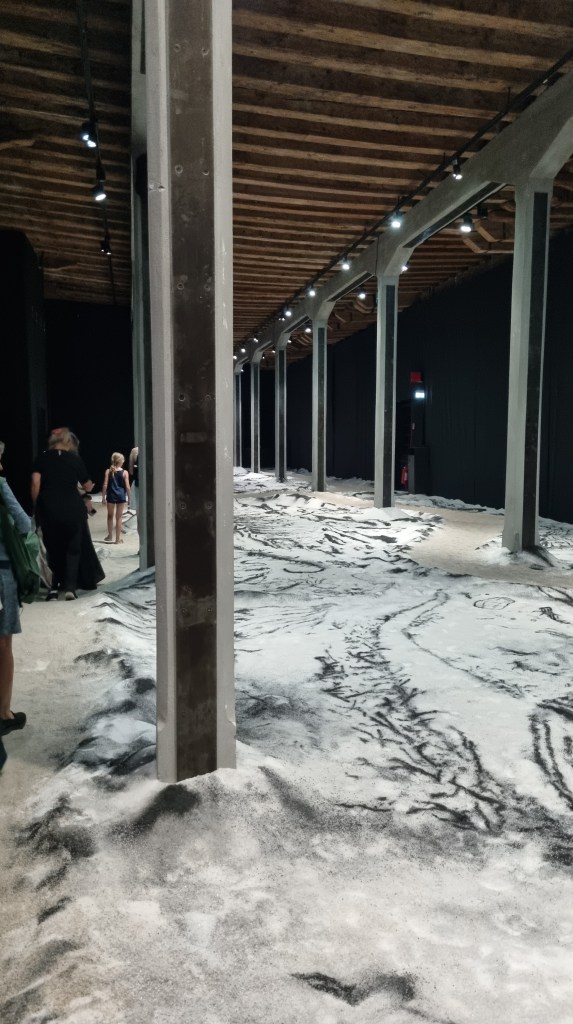
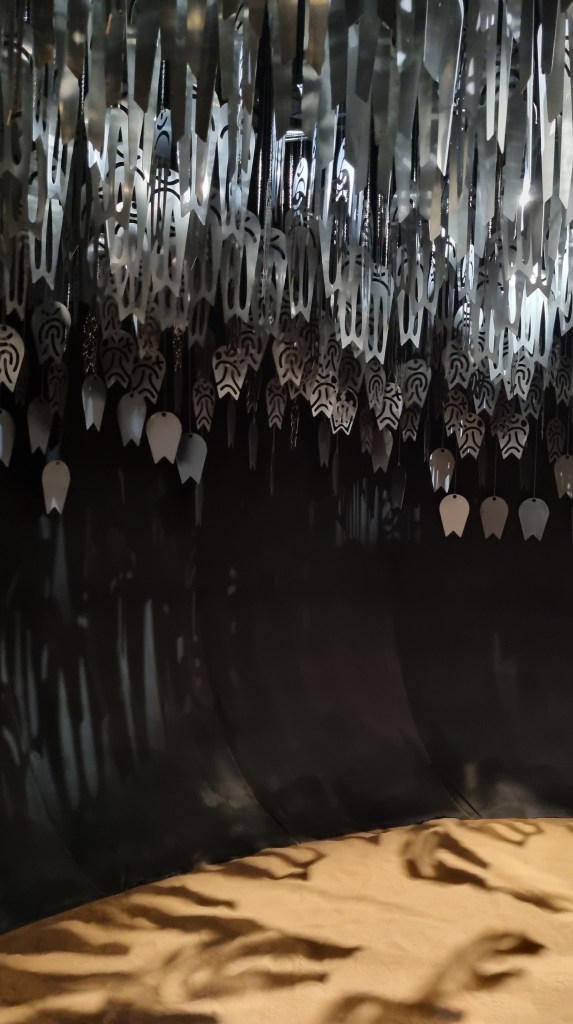
Everything on display is intertwined with the theme of life: it is about an individual, collective, humanity, the ethereal, momentary, temporary, finite, unfamiliar, embedded with the familiar, life, death, being, non being, heaven, hell, existence, non existence, slavery, ownership, child, adult, spiritual, non spiritual, the myth, the memory, identity, gender, folklore, subconscious, political, sacred, profane, feelings, emotions, irony, sarcasm, anger, love, sex, experimentation, divination, healing, Gnosticism, apartheid, aggressor, victim, hero, survivor, the real, the oracle, triumph, defeat, fact, fiction, institutional, archivic, utopia, reality, imagination, spirit, melancholy, inspiration, continuation, animate, inanimate, reservation, oblivion, structure, power, seen, unseen, heard, unheard, mystic, visible, invisible, time, cycles, linear, transformation, liminality.
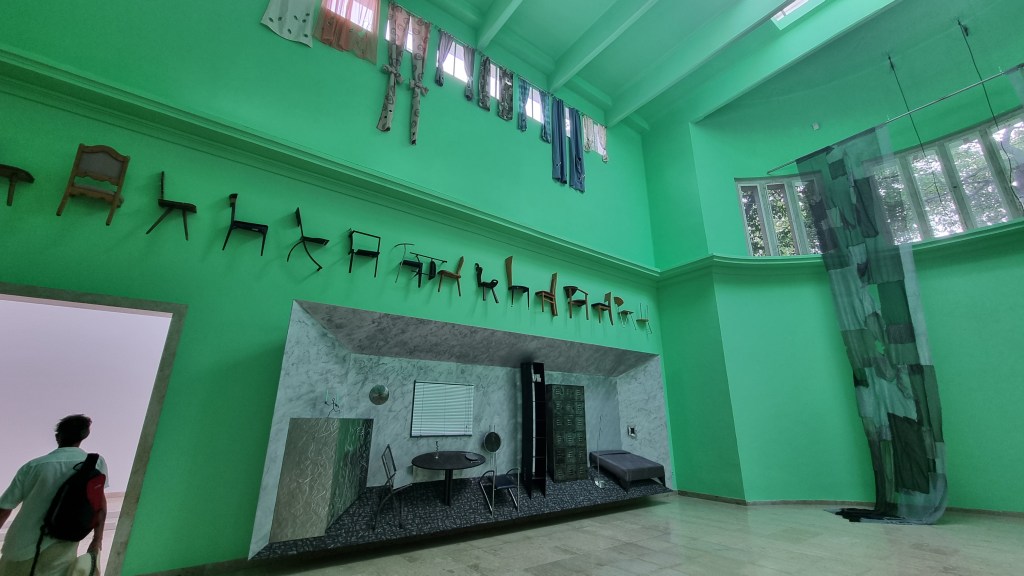
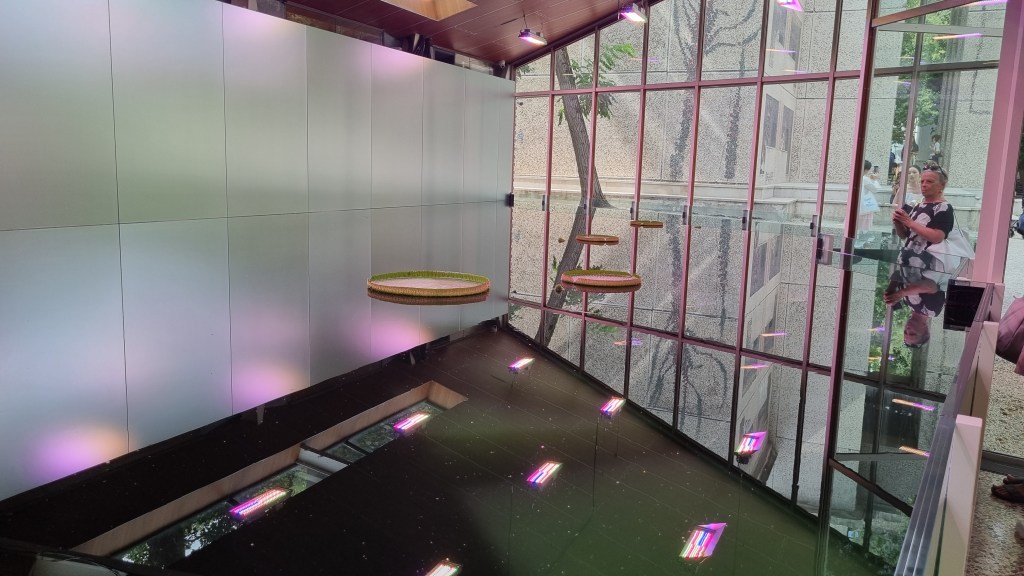
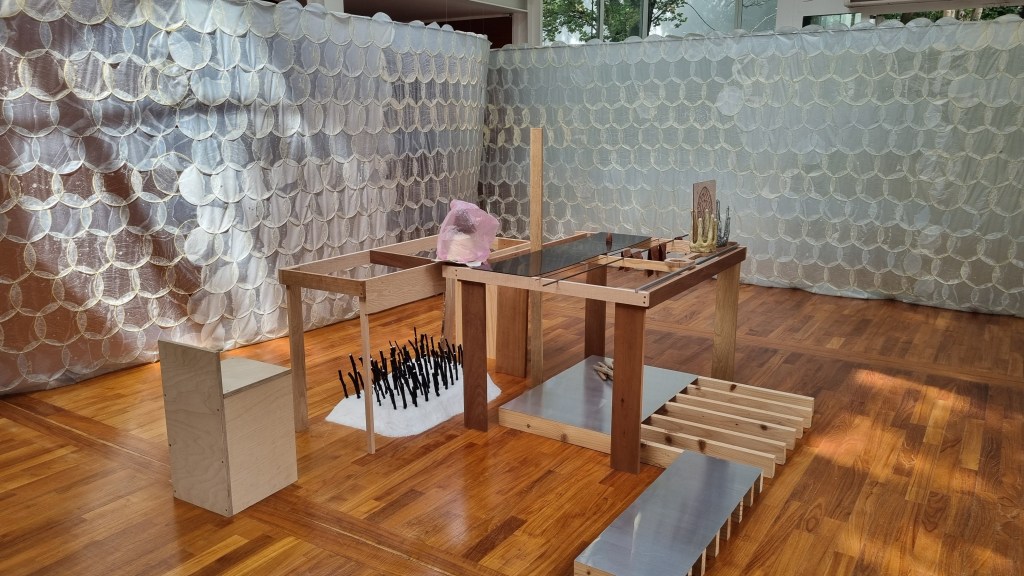
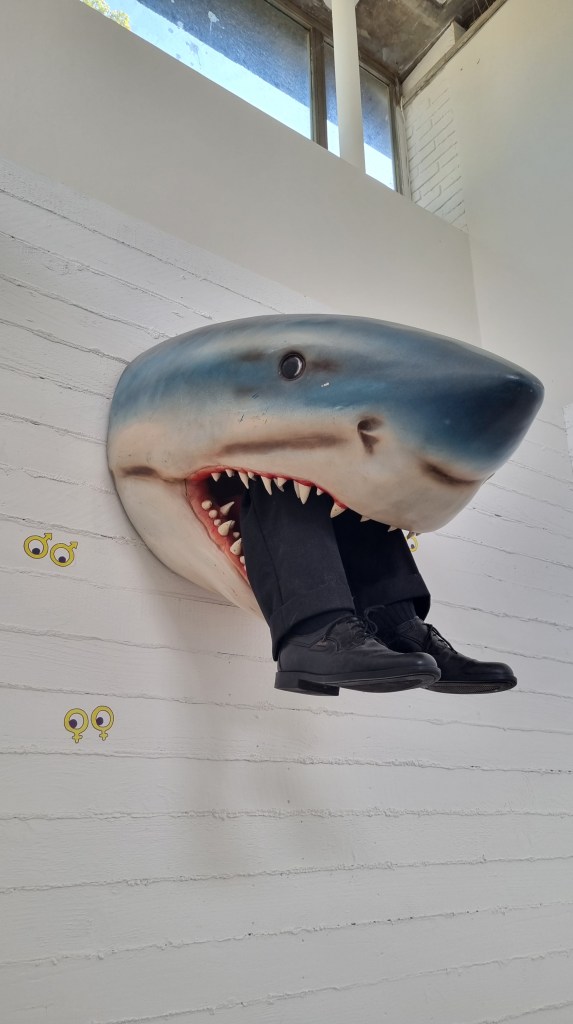
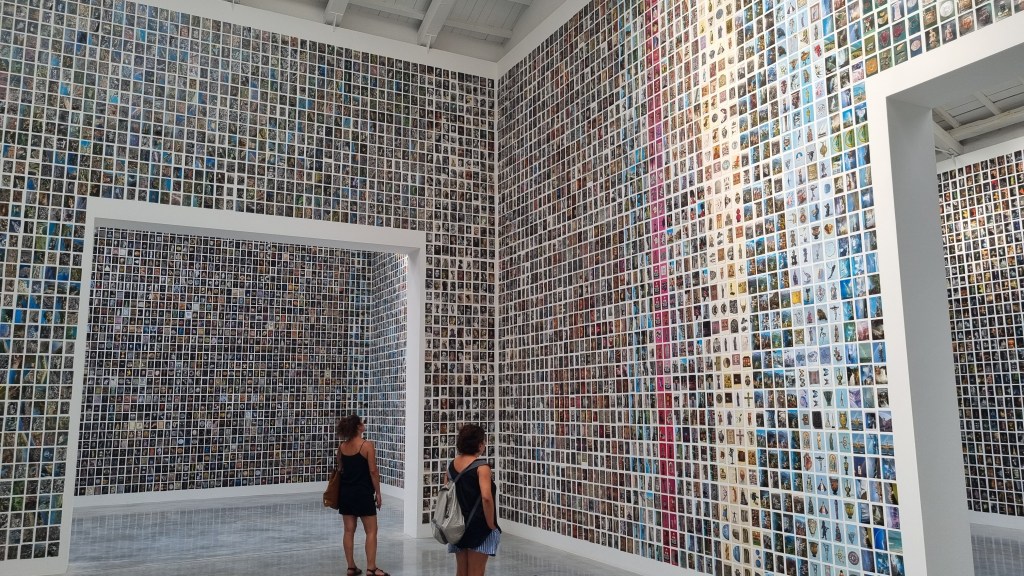
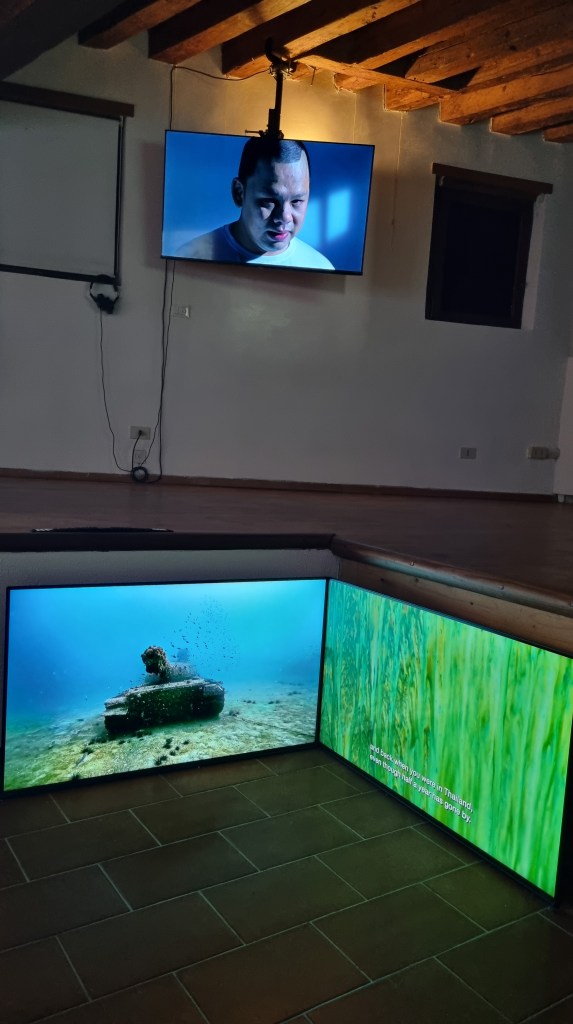
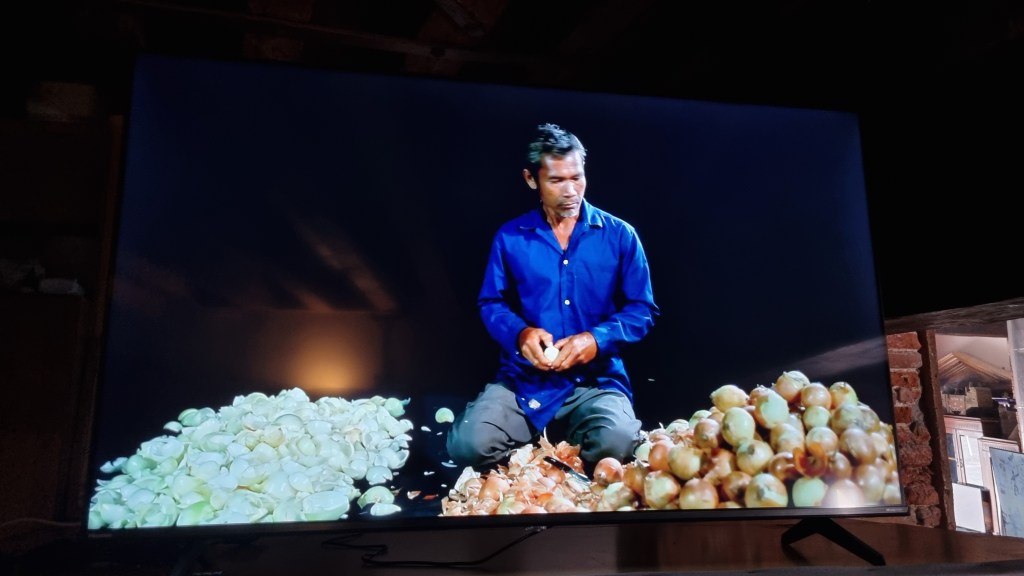
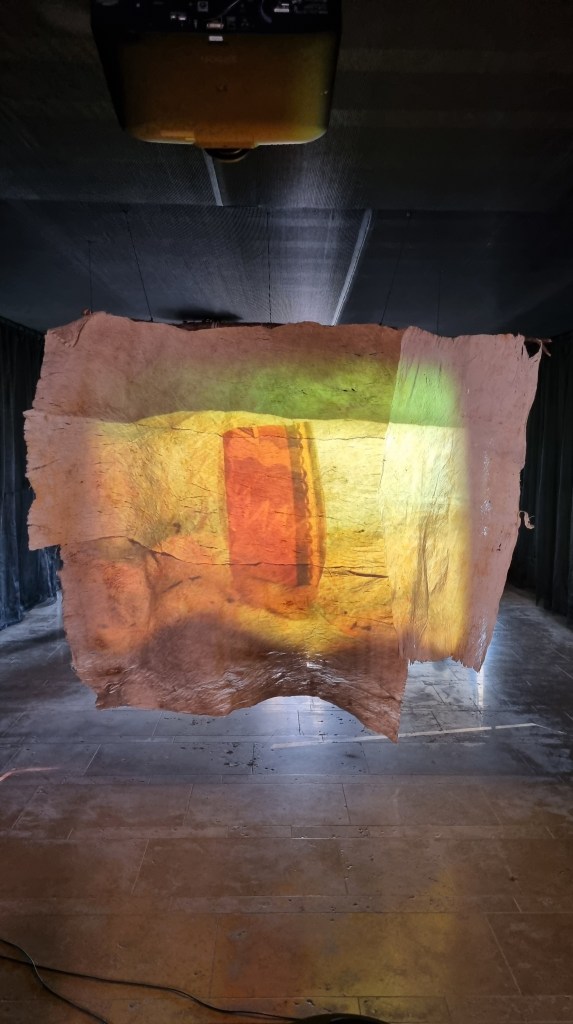
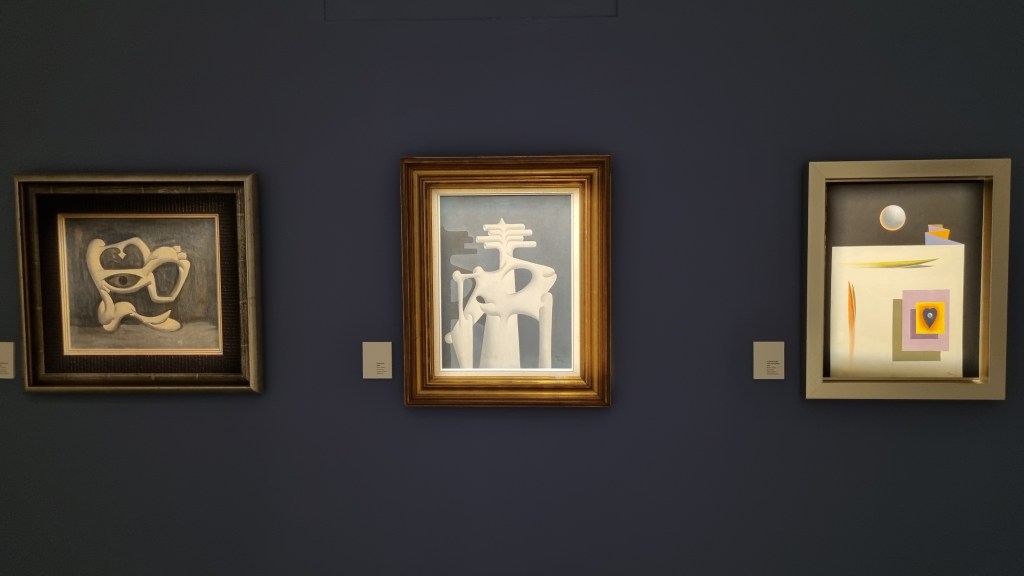
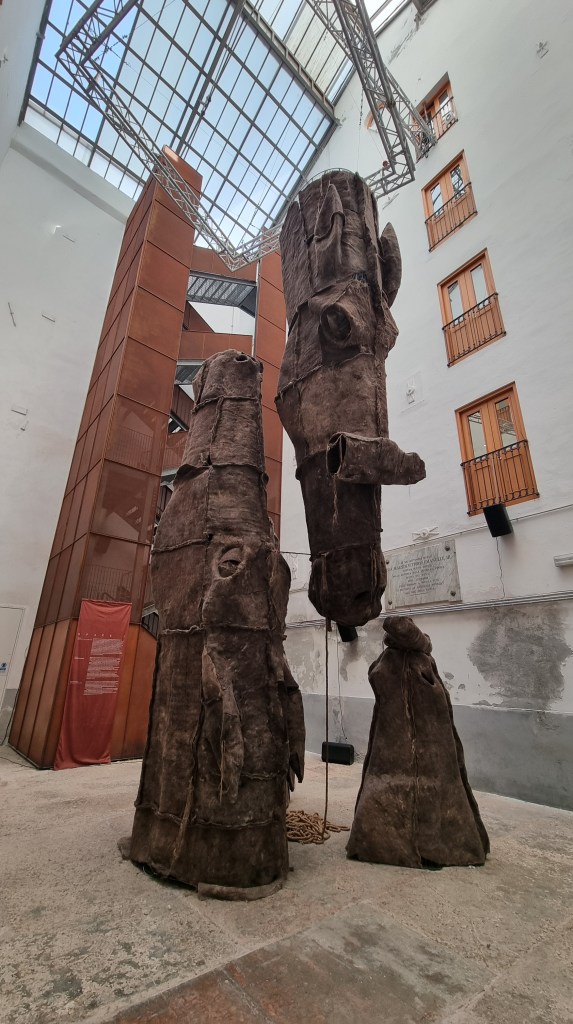
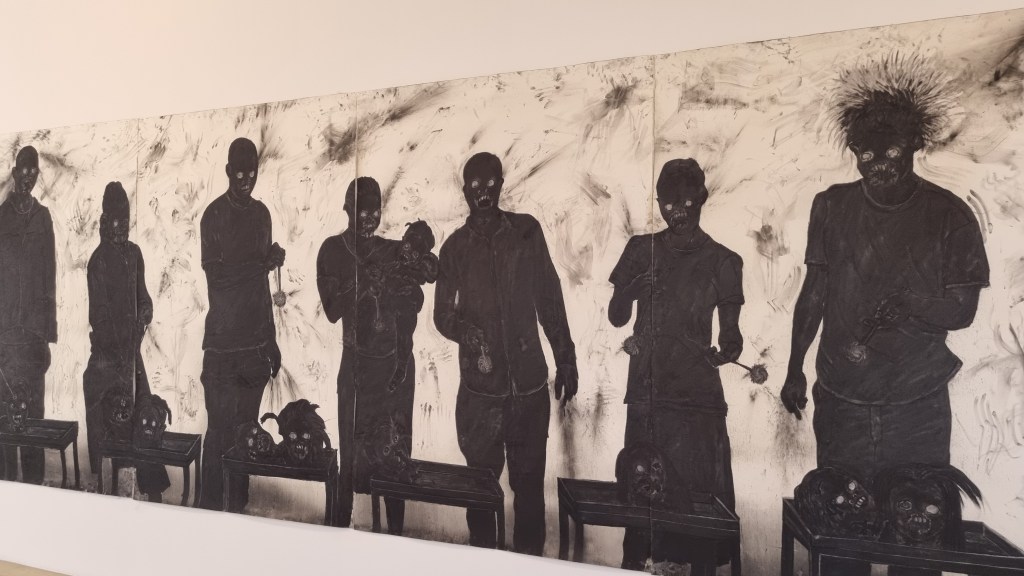
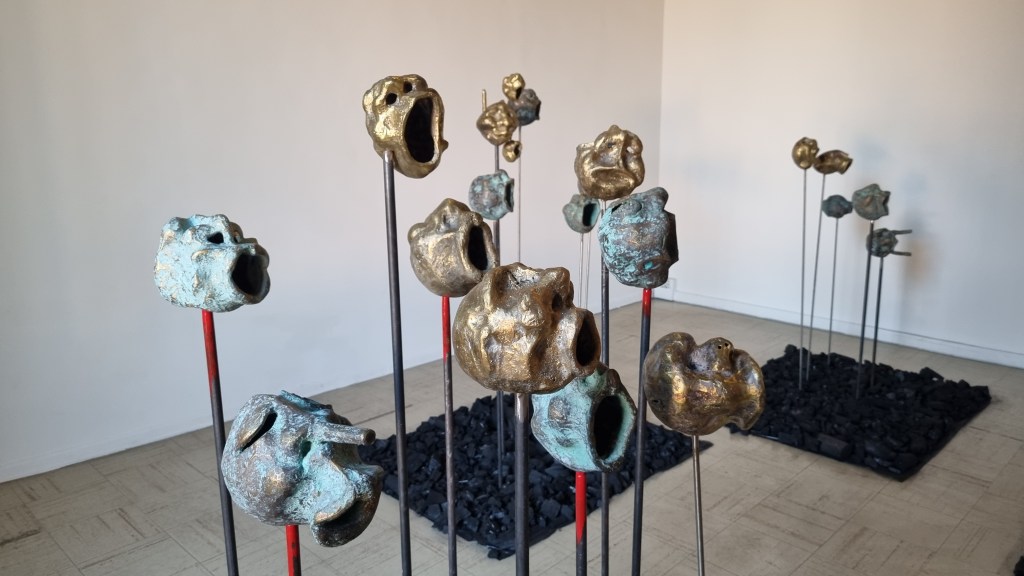
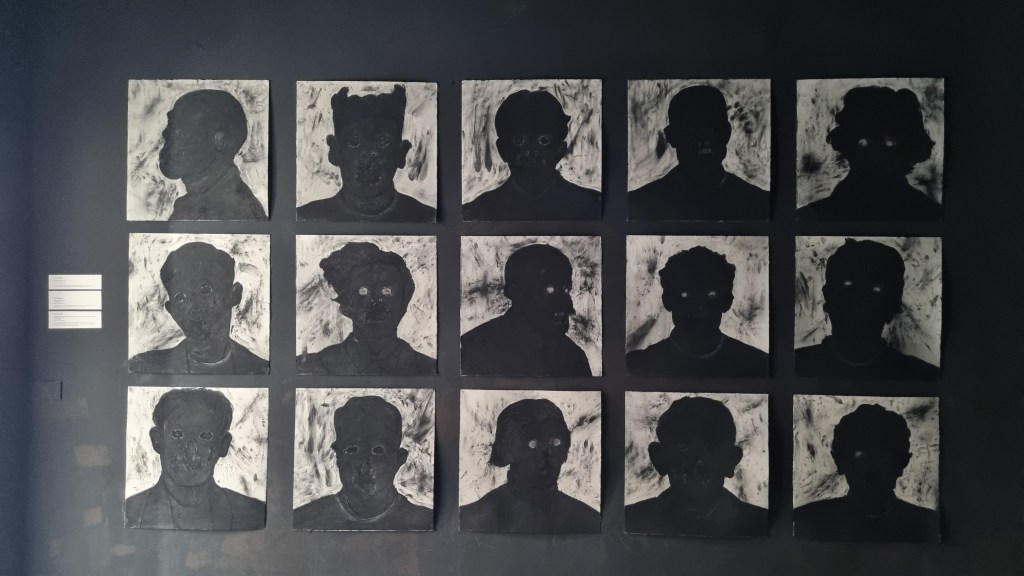
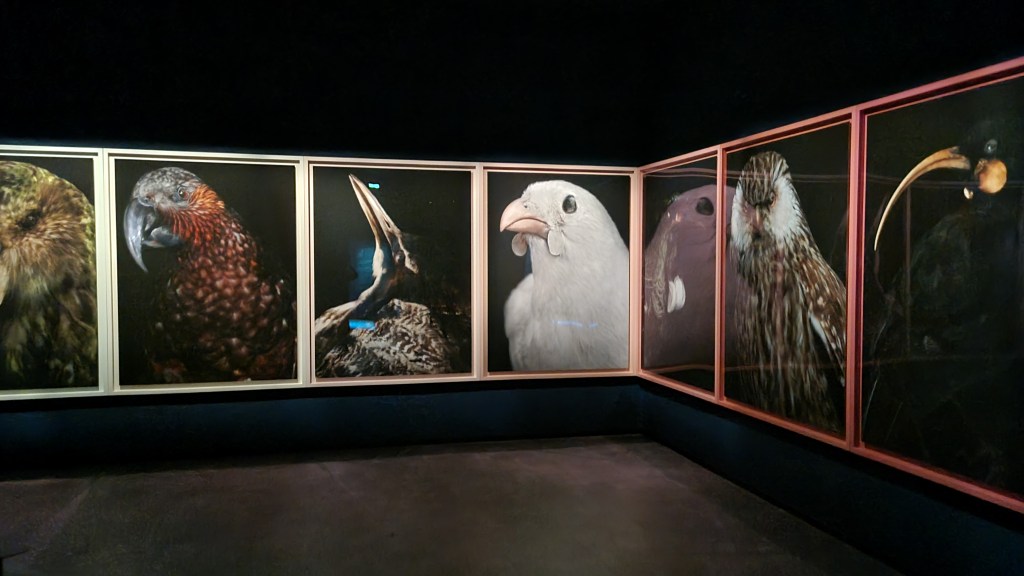
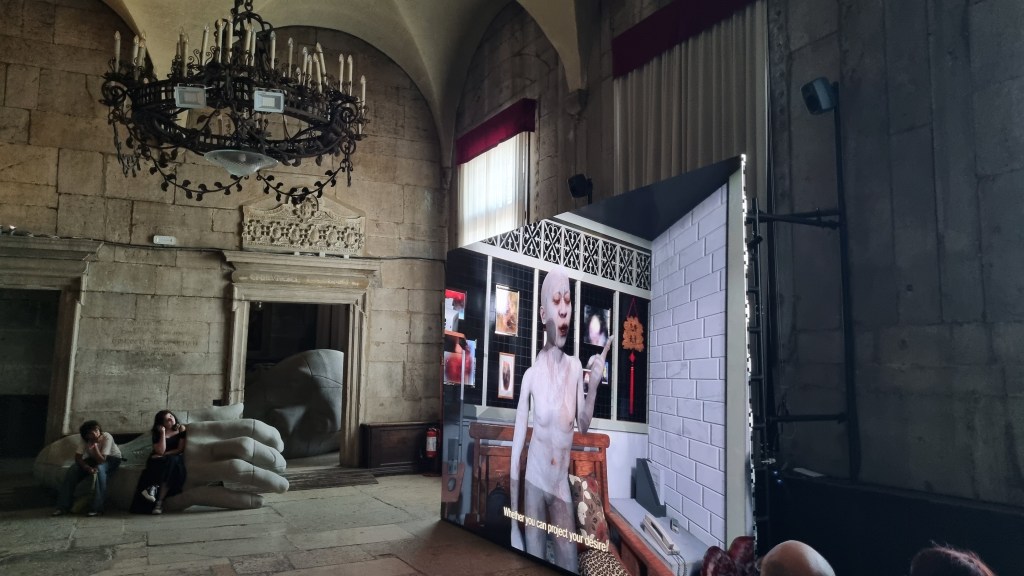
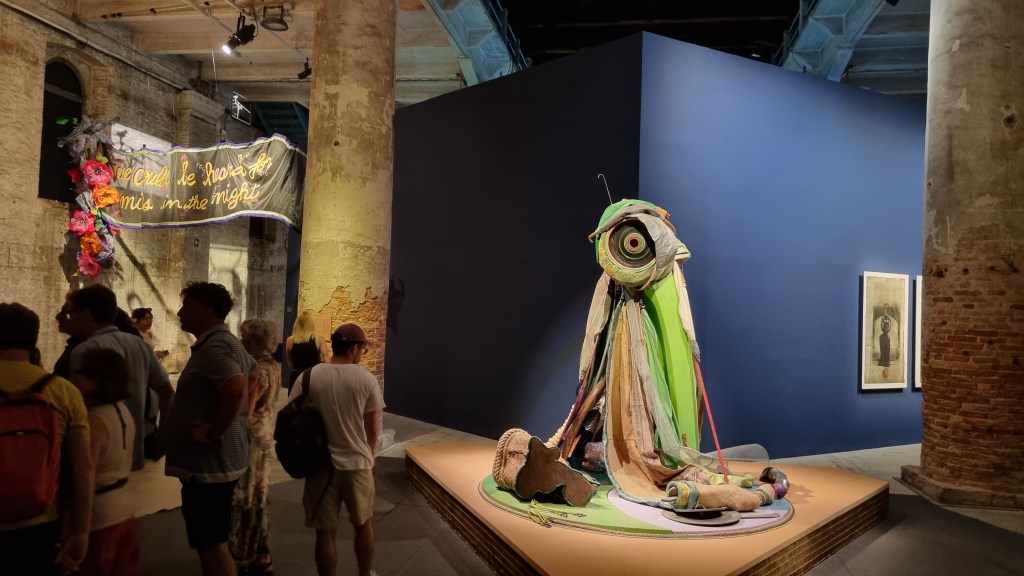
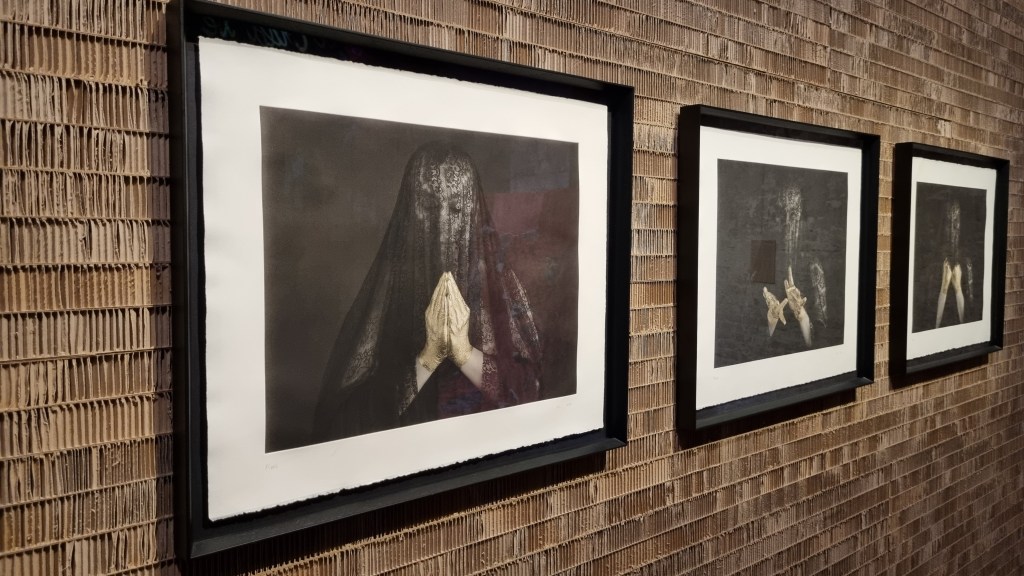
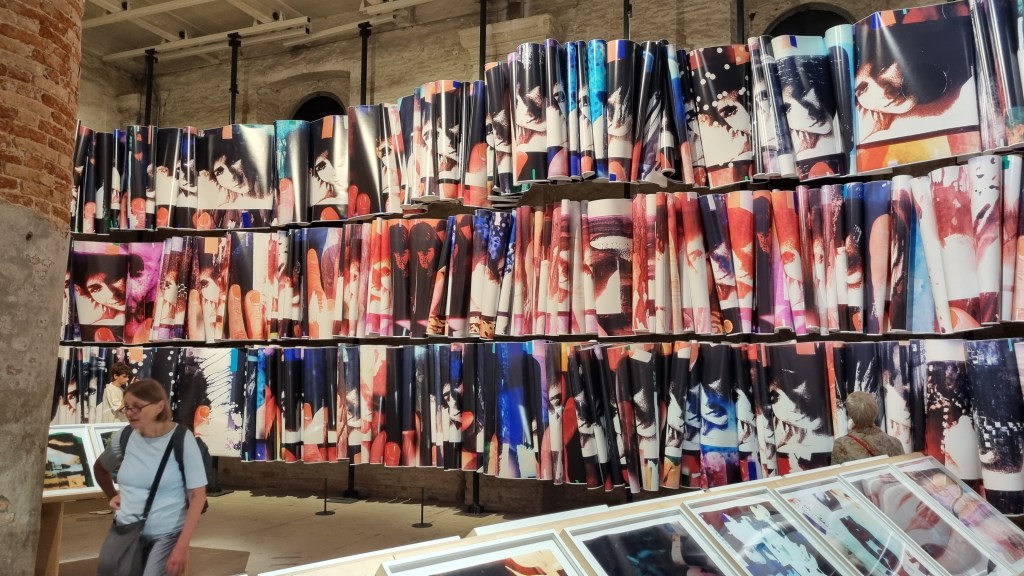
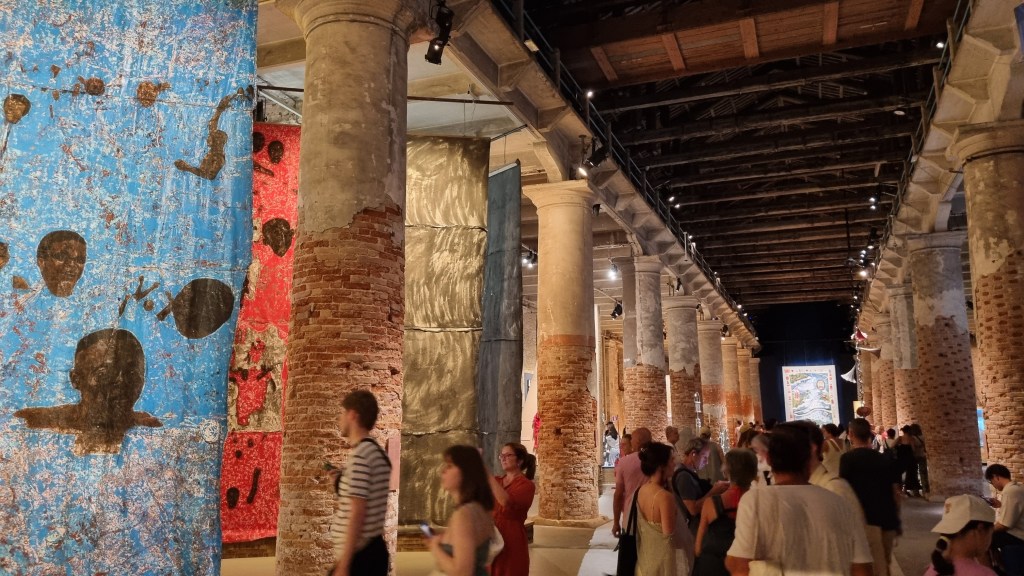
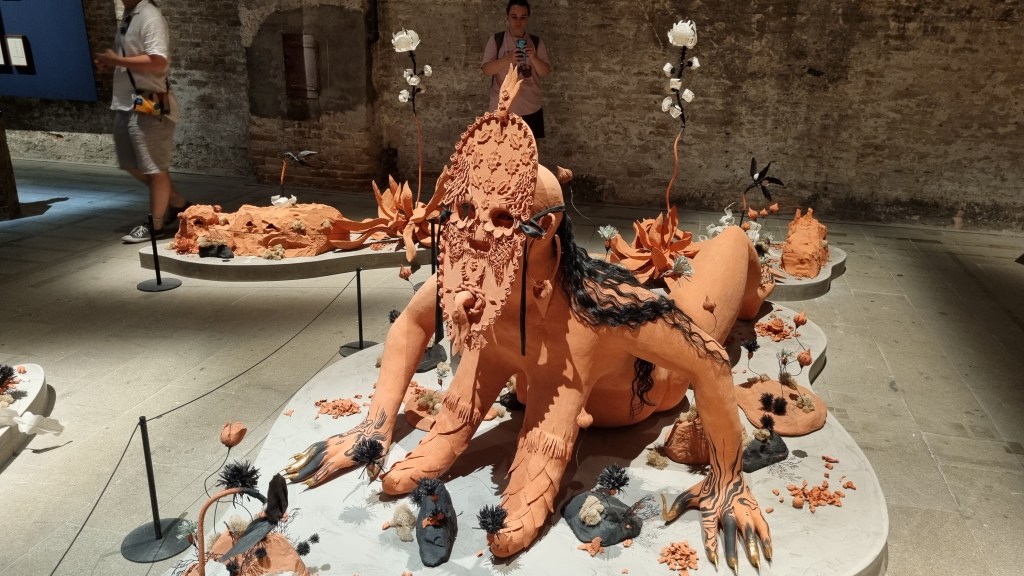
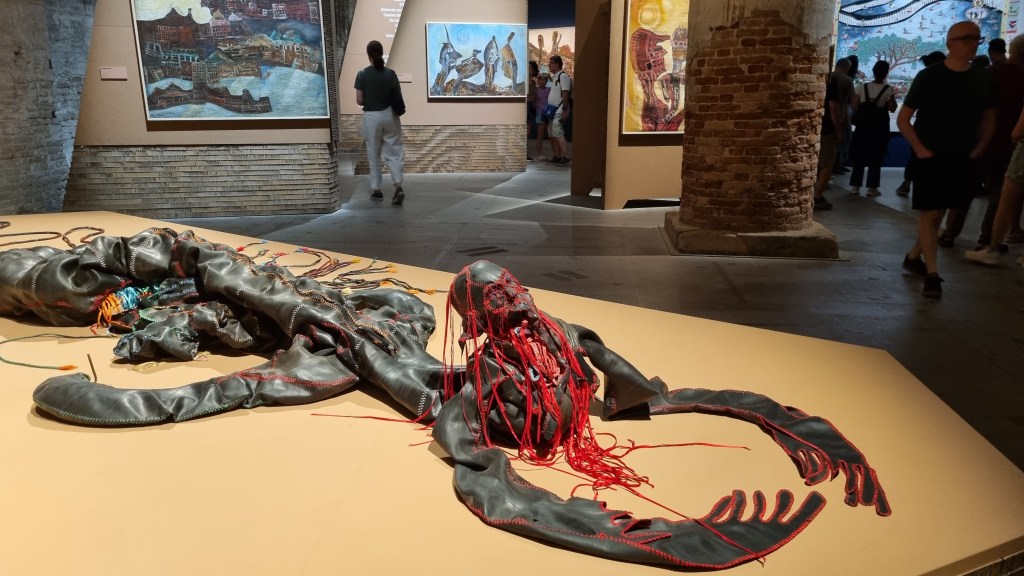
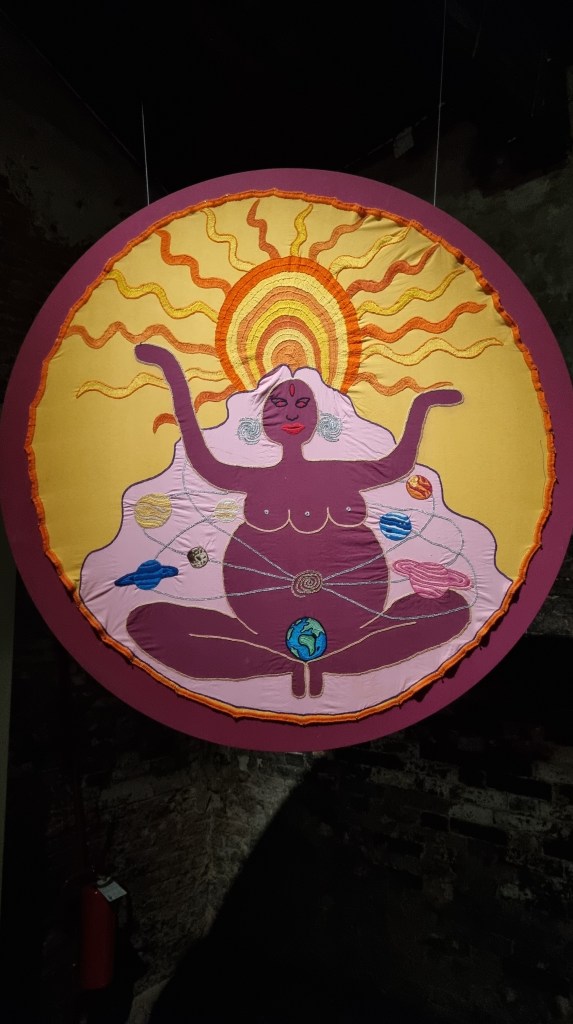
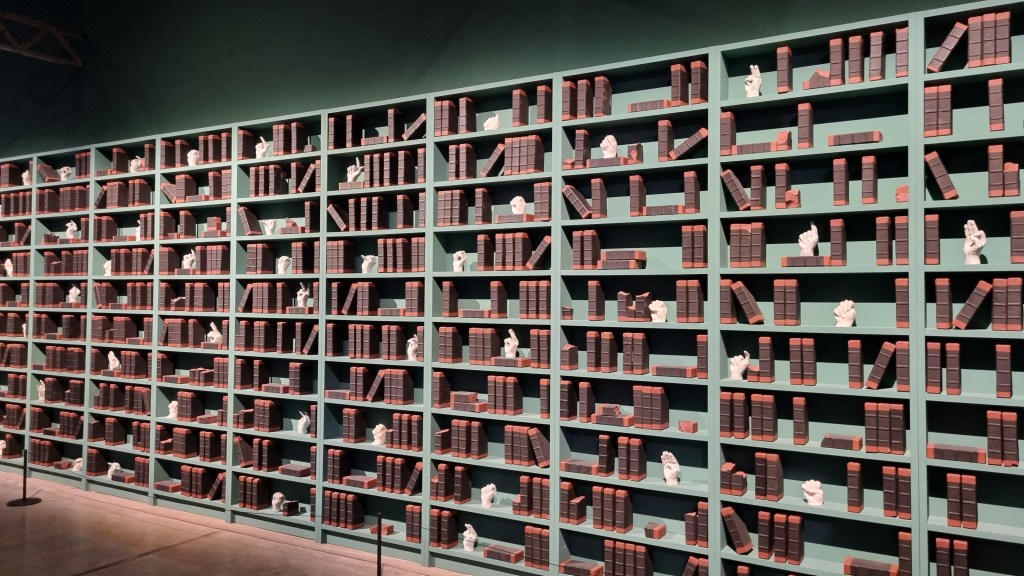
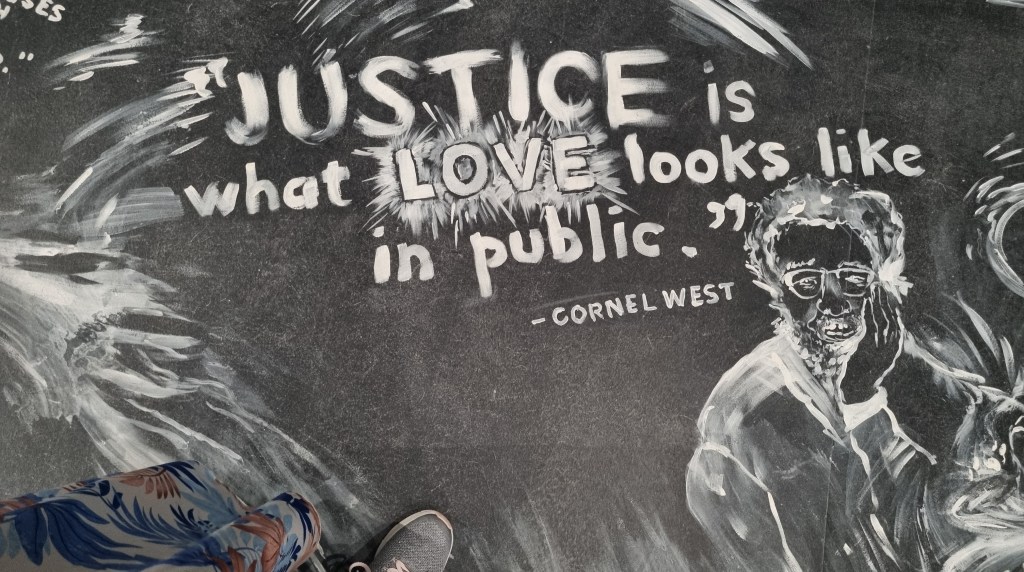
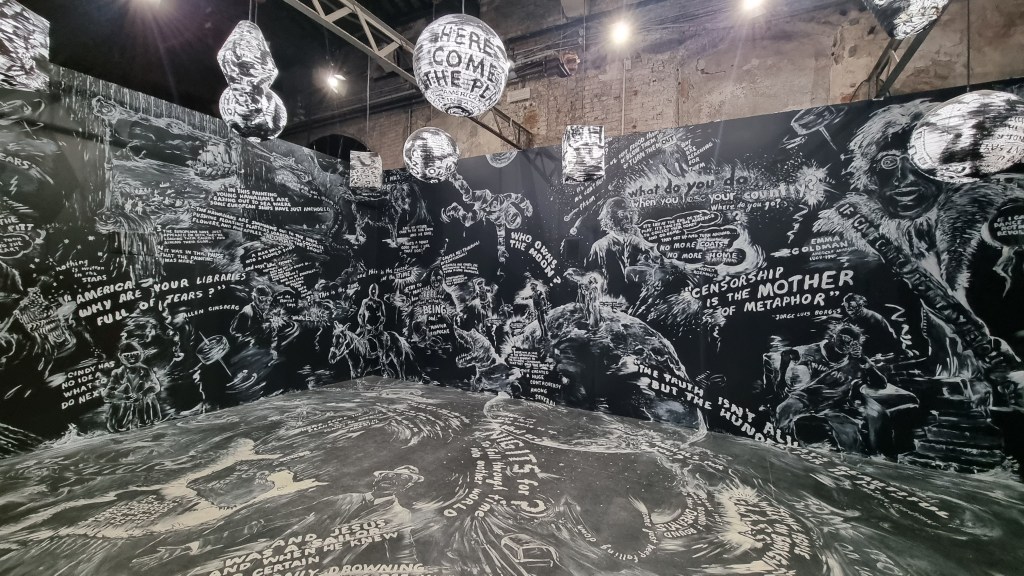
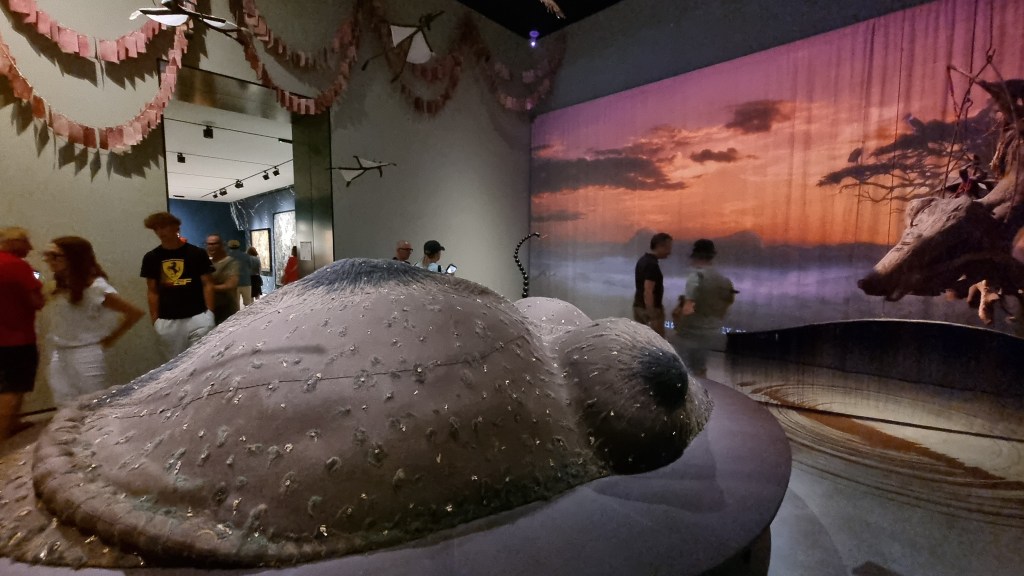
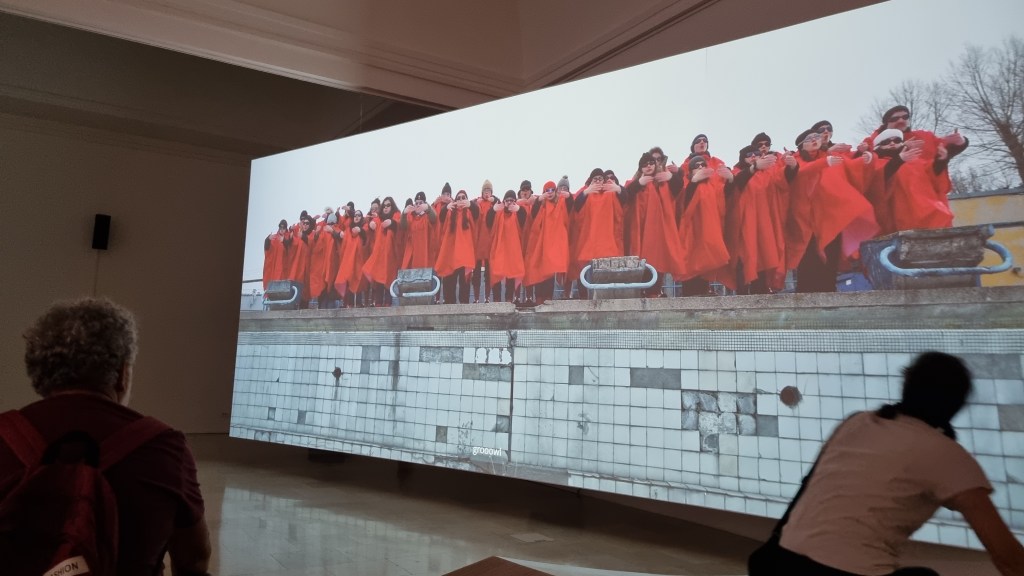
You contemplate not just the world, but also yourself, through the way the topics are presented – harsh reality shown through peace and meditation, especially on the huge video projections and installations in Arsenale, where you slowed down even more and lingered, mesmerised by what you are seeing. And quite a few of them also include the natural aromas and fragrances in the space, so it pulls in the experience even more. You literally feel the artworks with all your senses.
‘To connect to this work requires surrendering your own colonial relationships – turning away from ownership and domination and toward everything that made your breathing form.’ (Tabita Rezaire) Again, a quote that is true for the majority of the artworks on display – you have to forget everything you think you know and just let it pull you in, open your mind and start thinking differently with your own new narrative, find your own discourse about the things that you thought you know everything about and the life itself. It is celebrating people as cohabitants and as living archives of sentiment and memory.
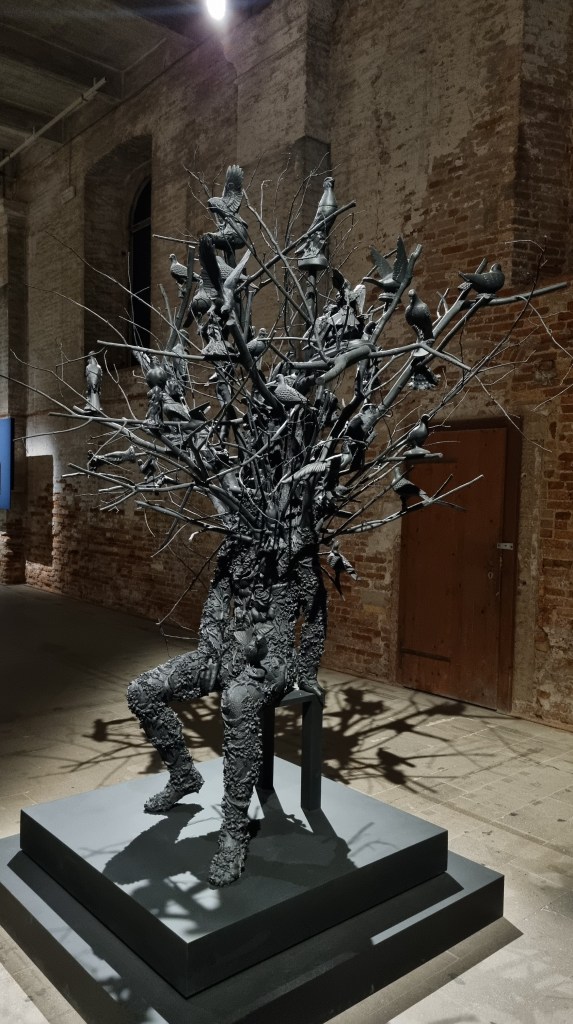
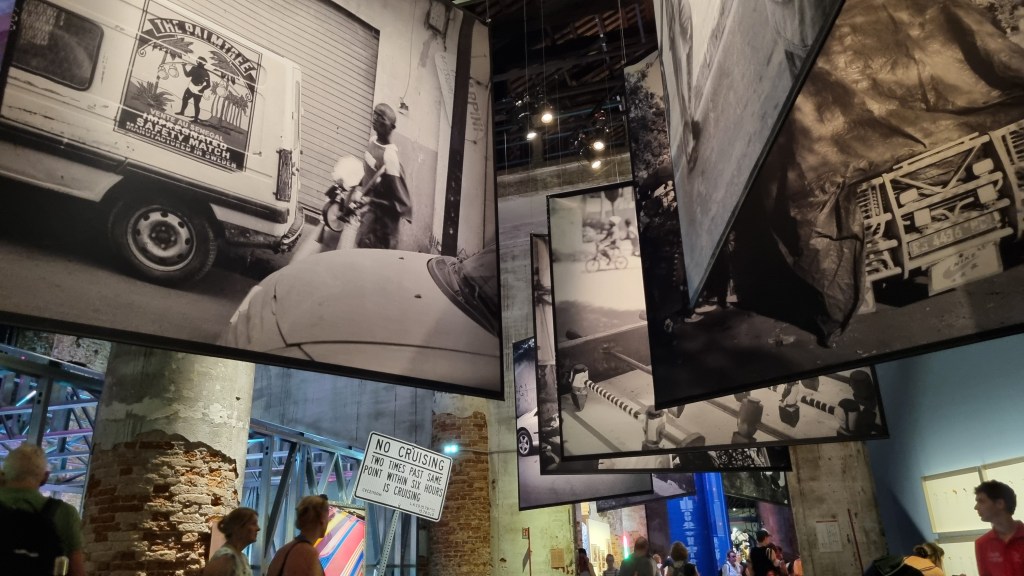
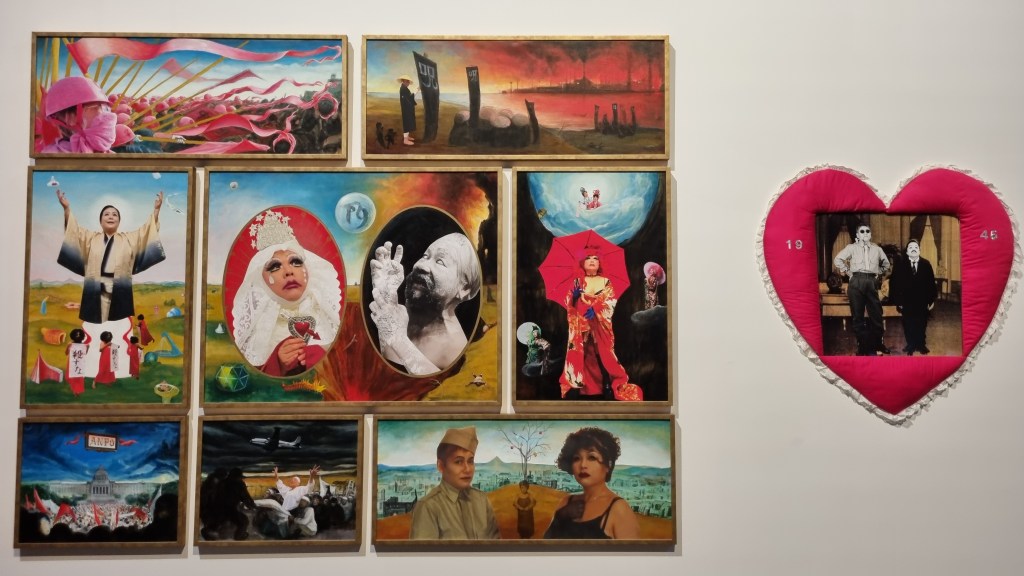
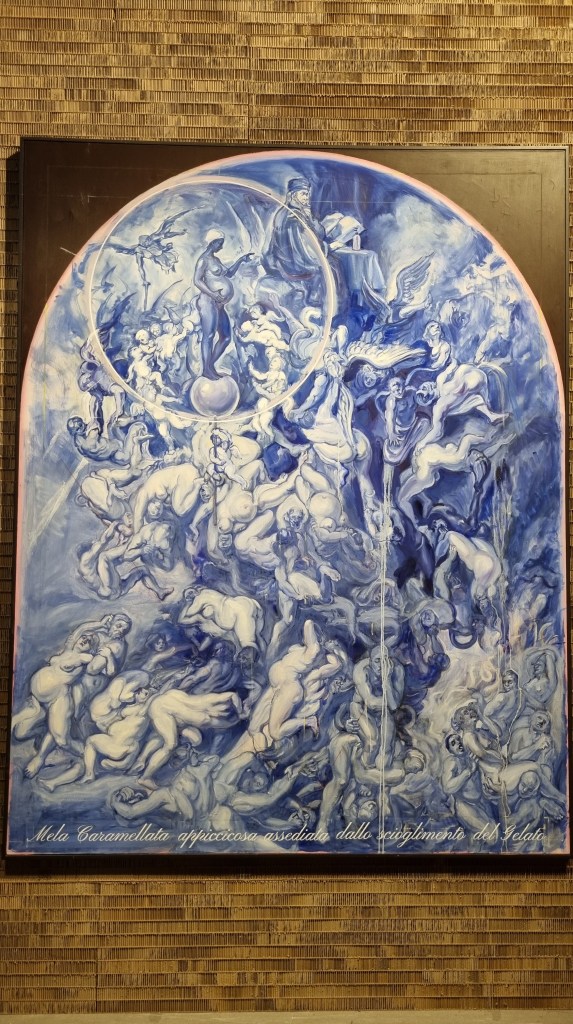
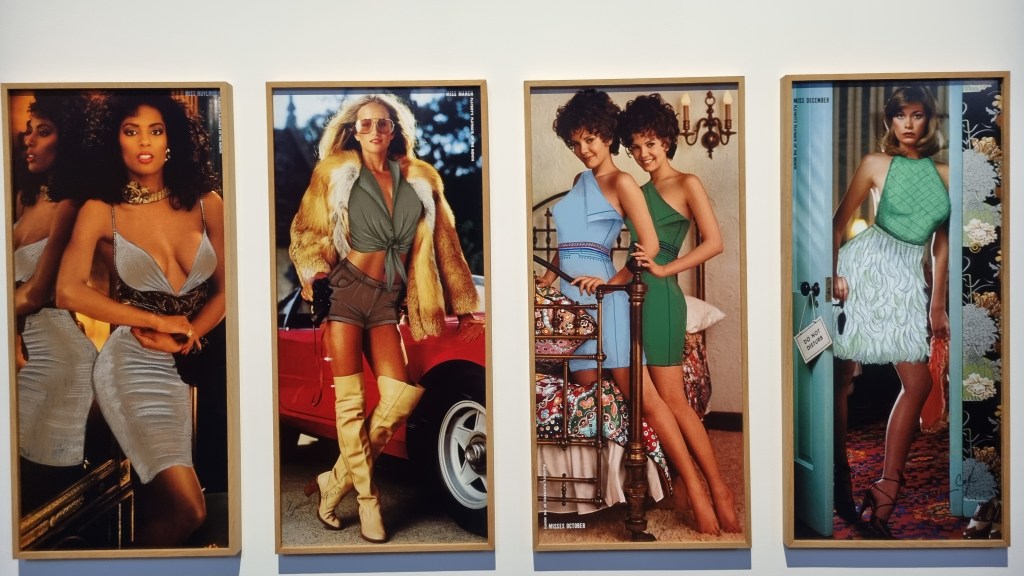
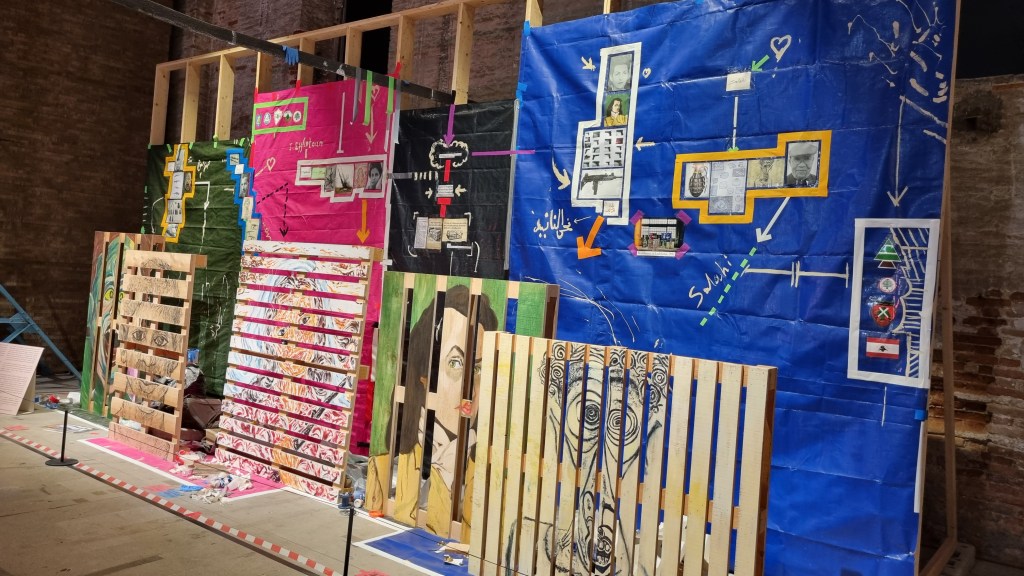
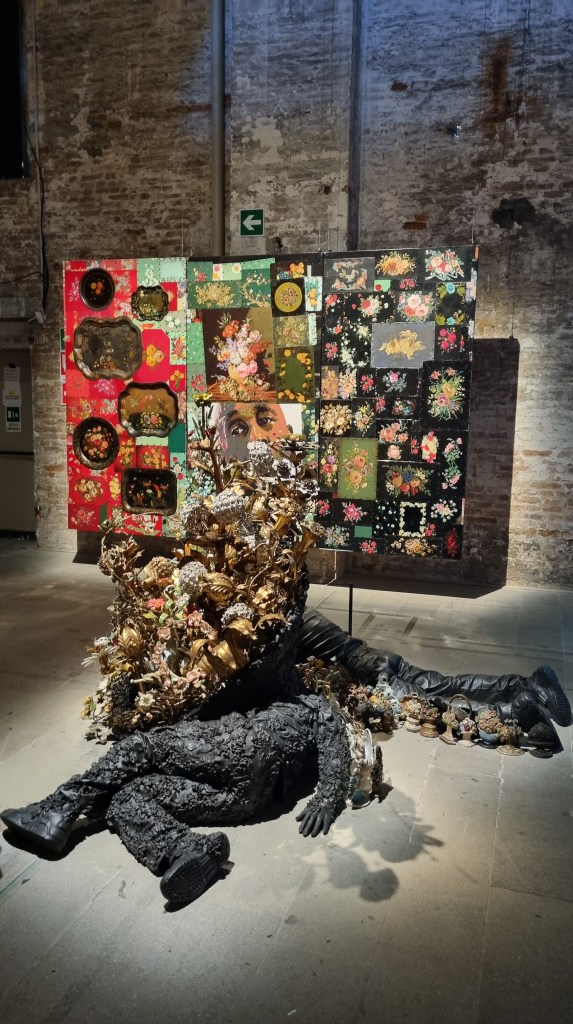
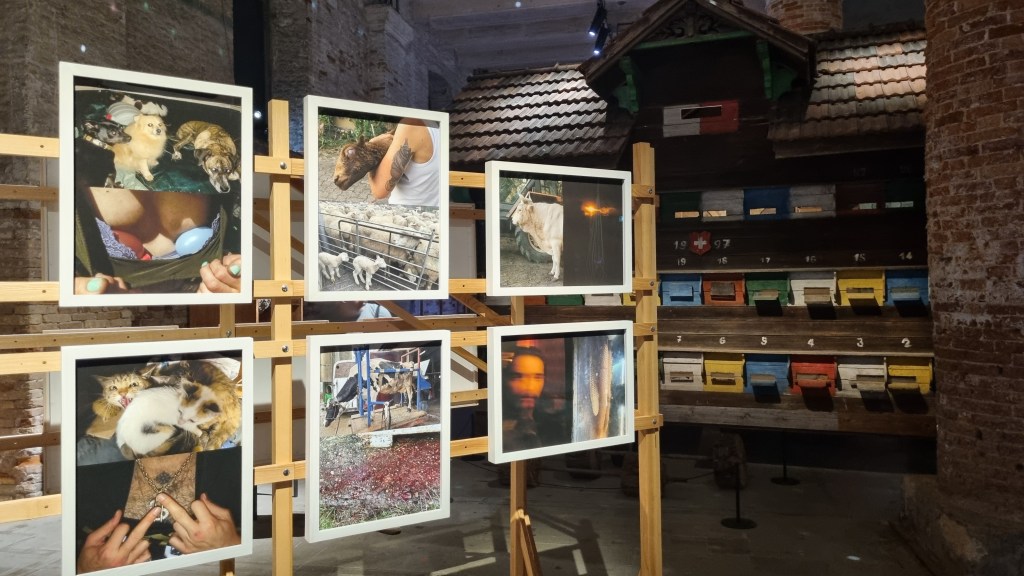
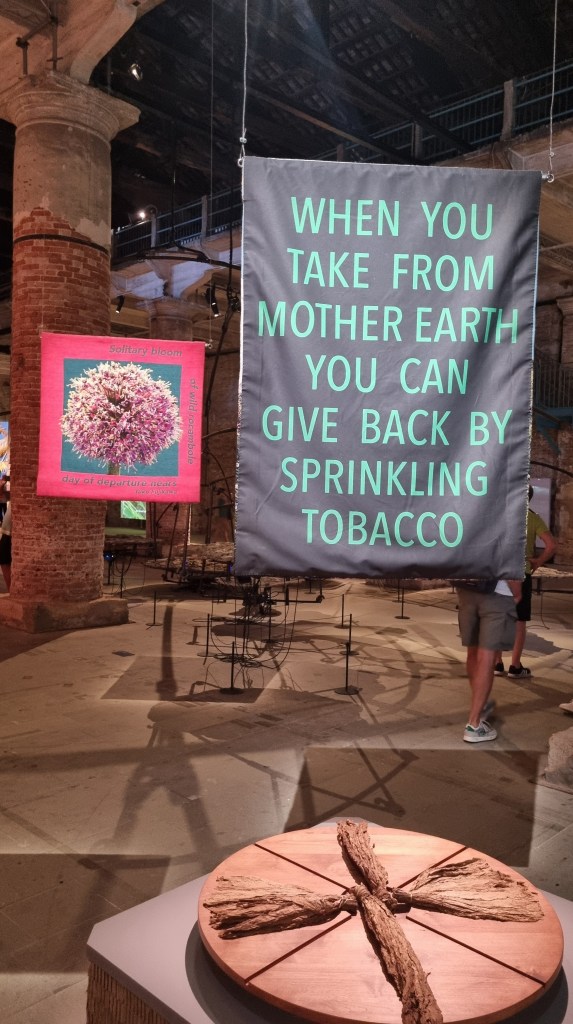
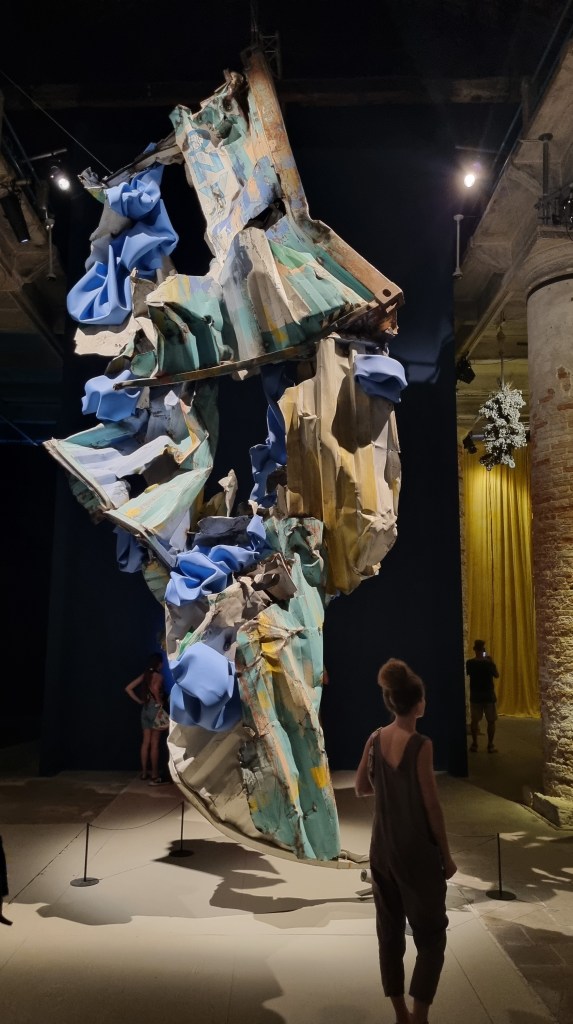
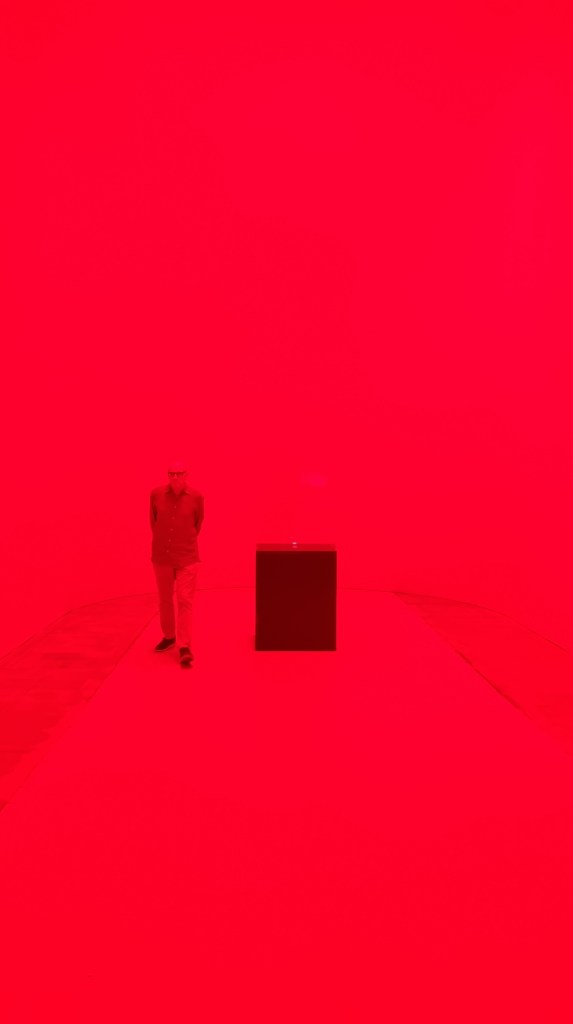
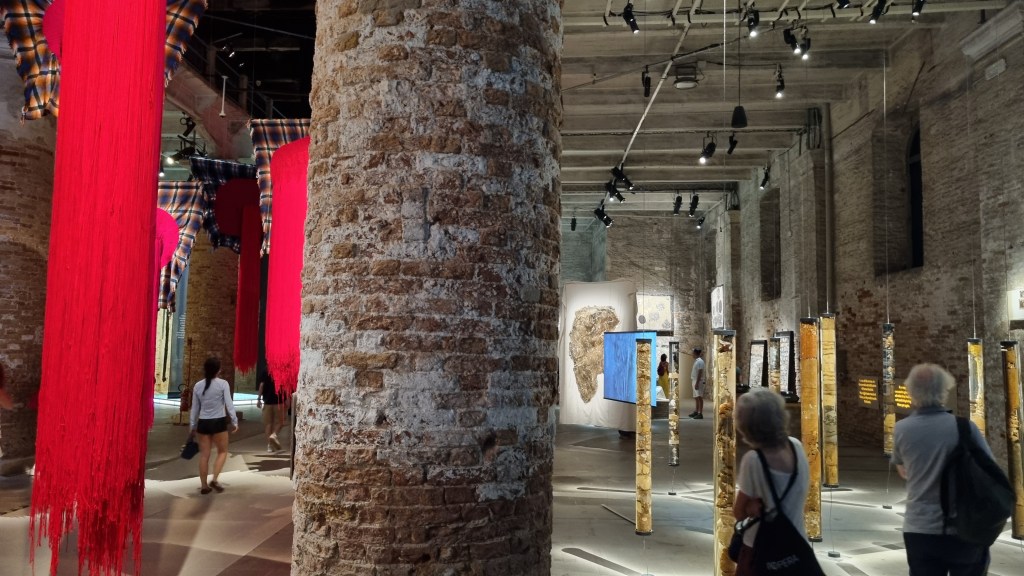
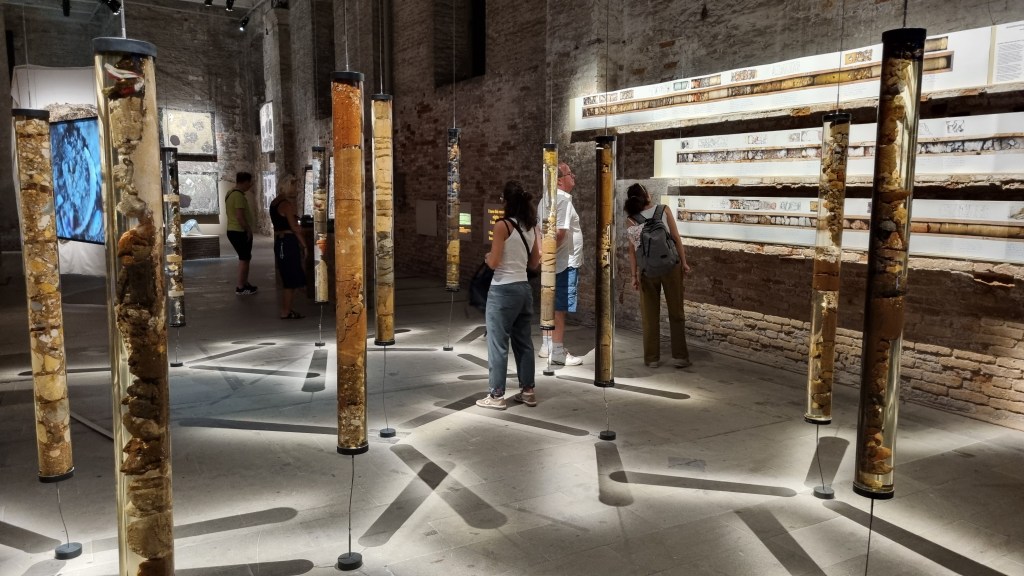
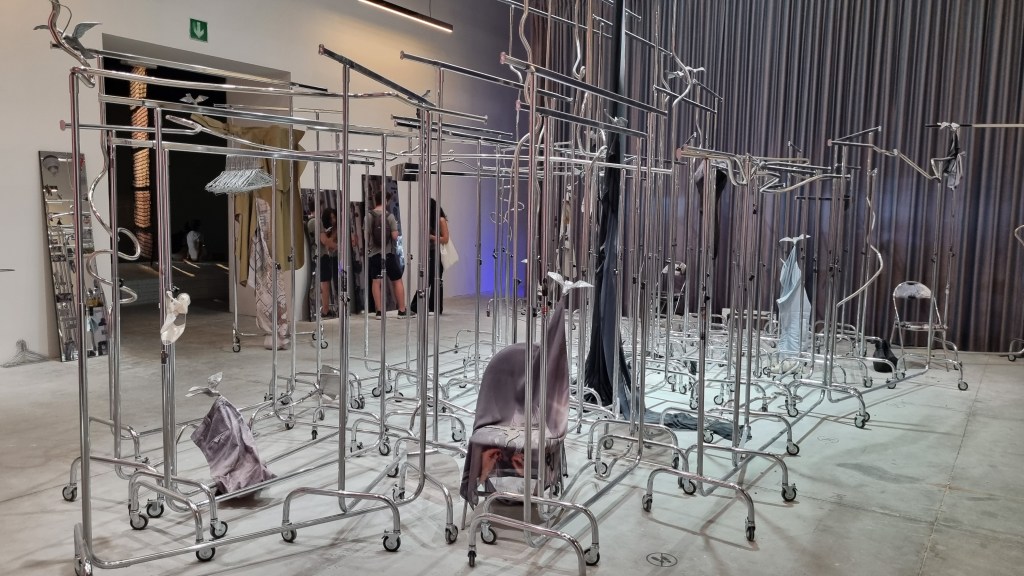
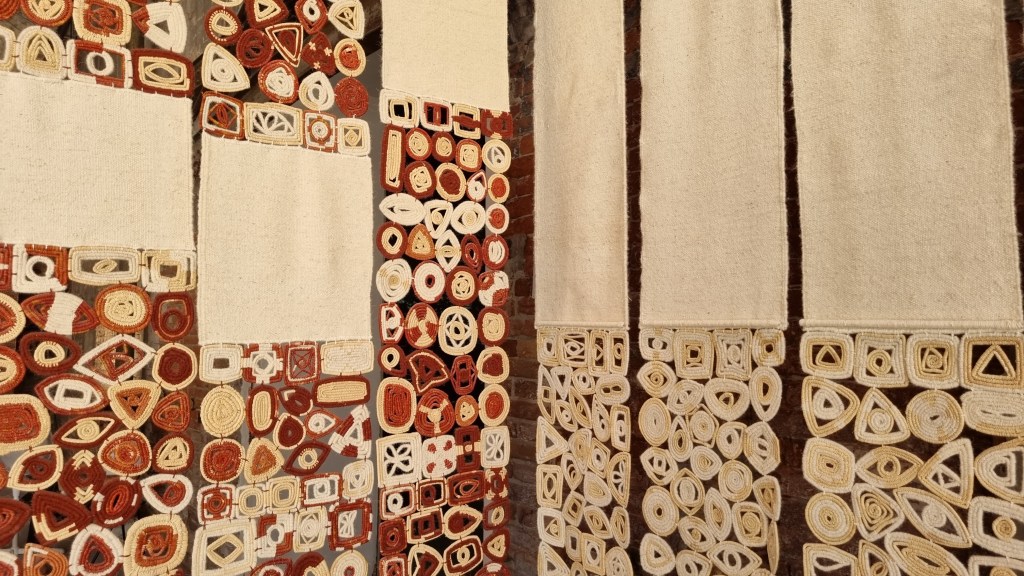
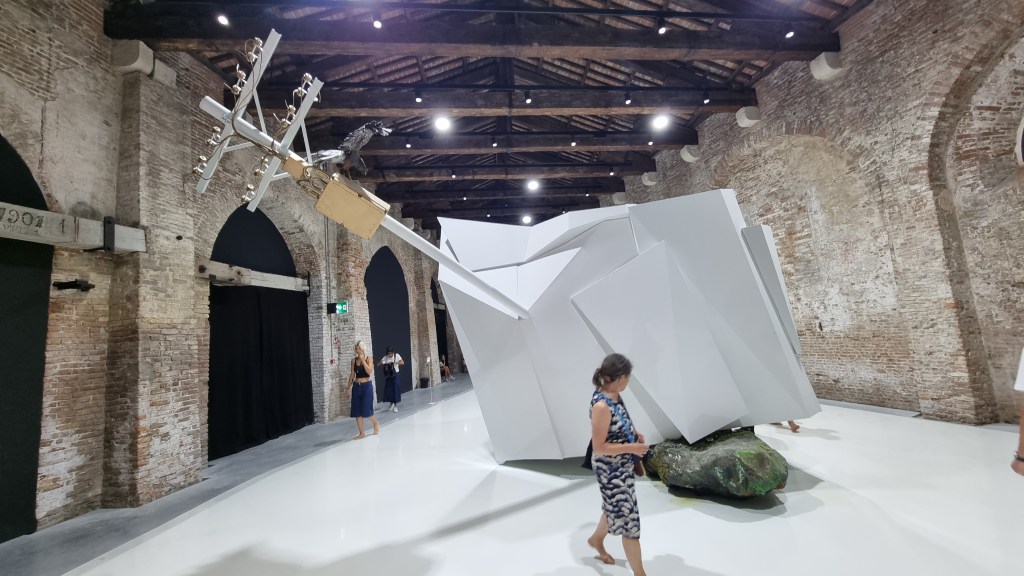
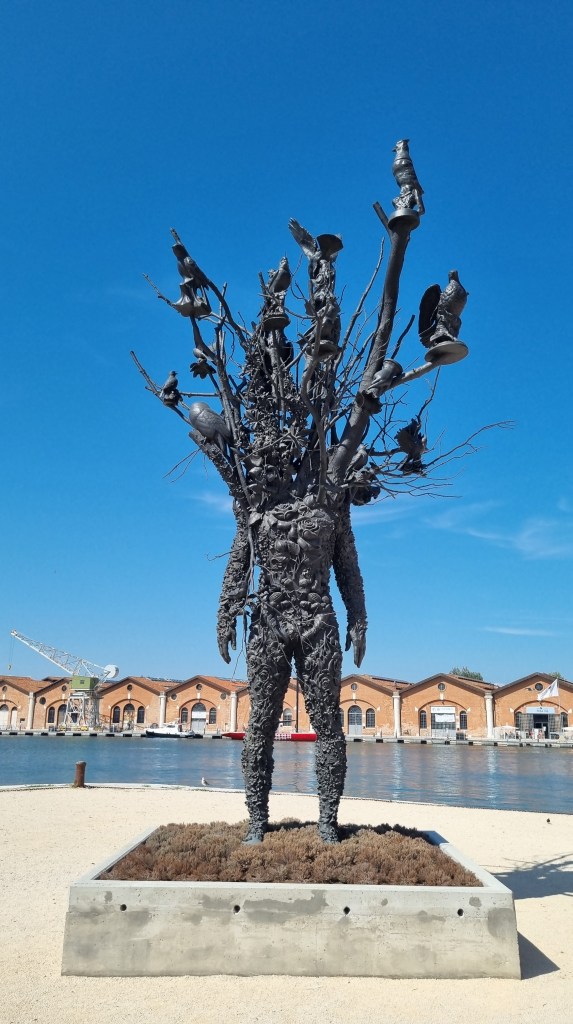
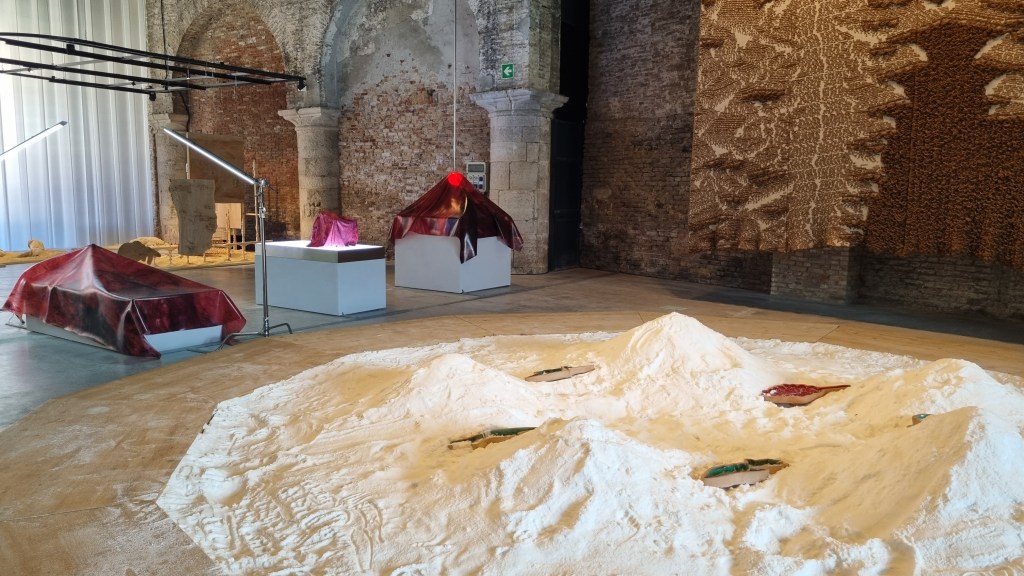
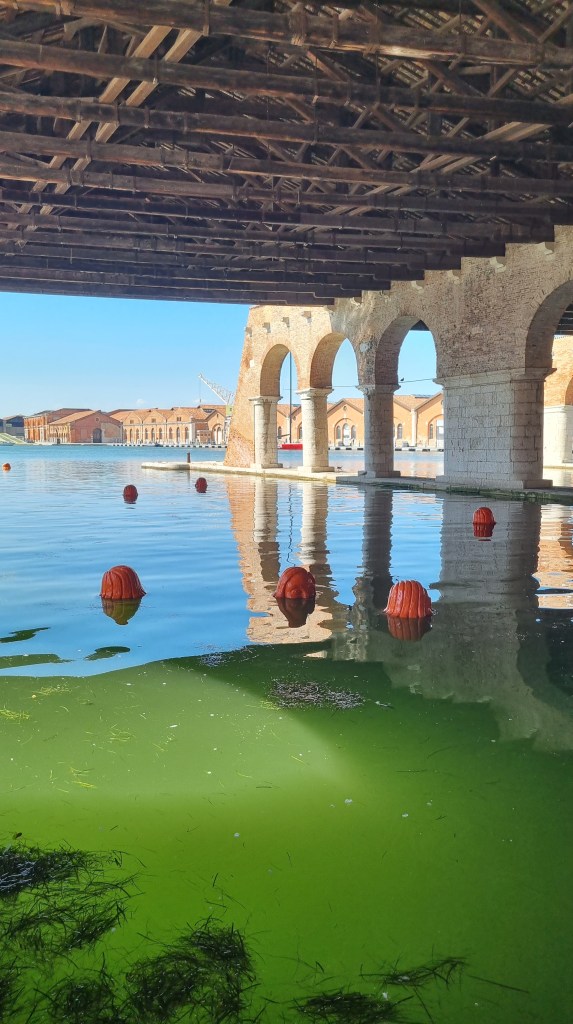
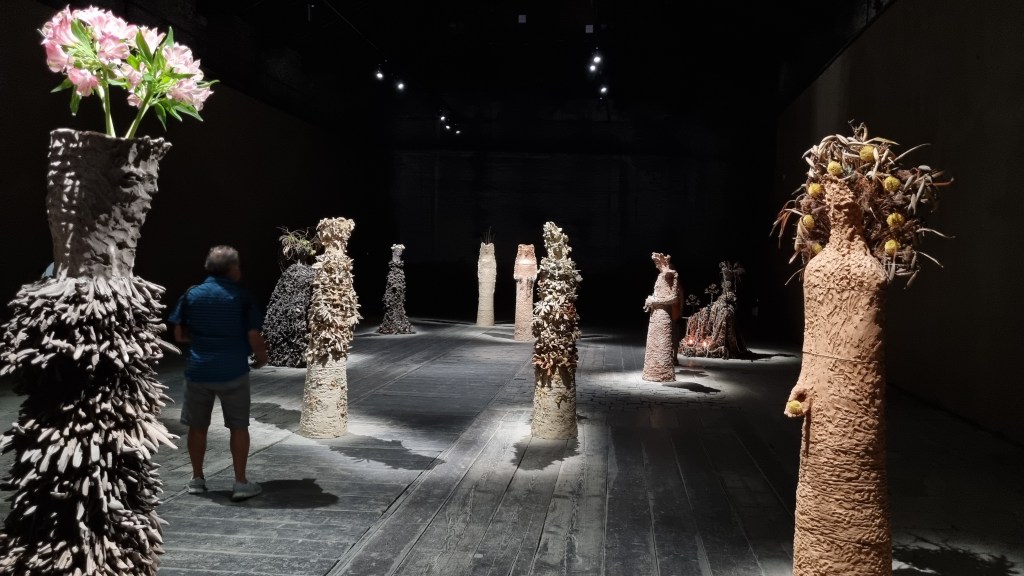
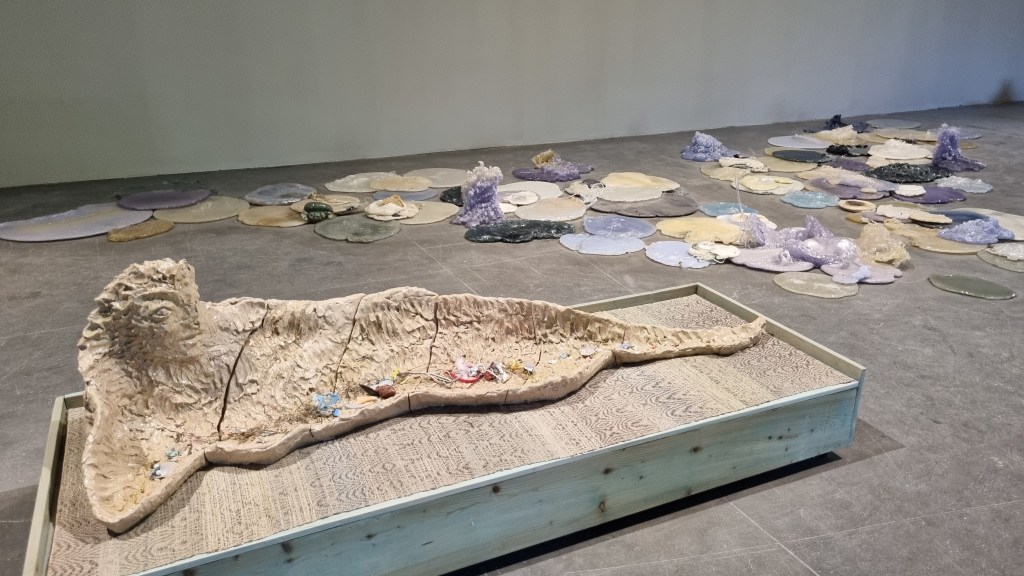
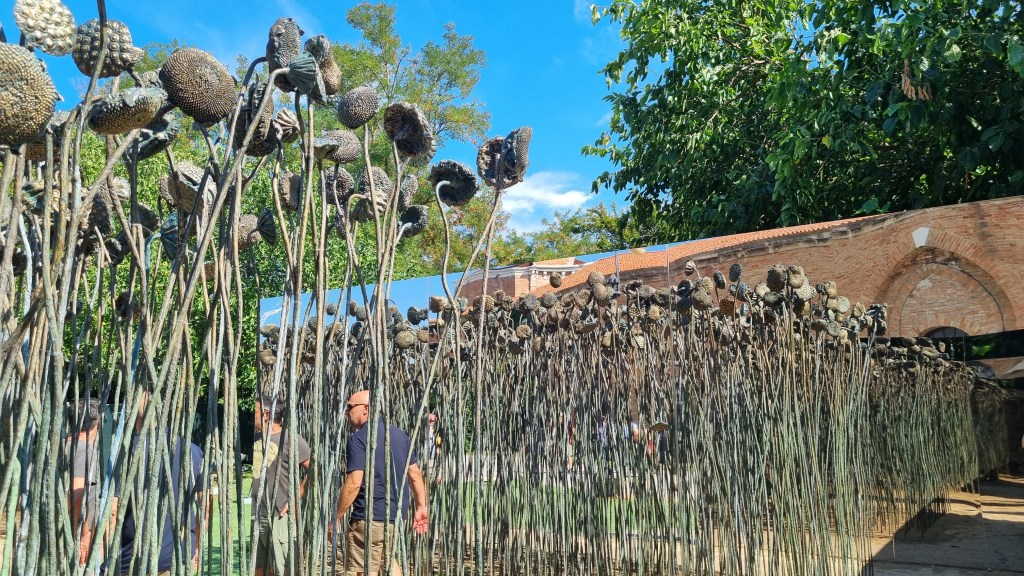
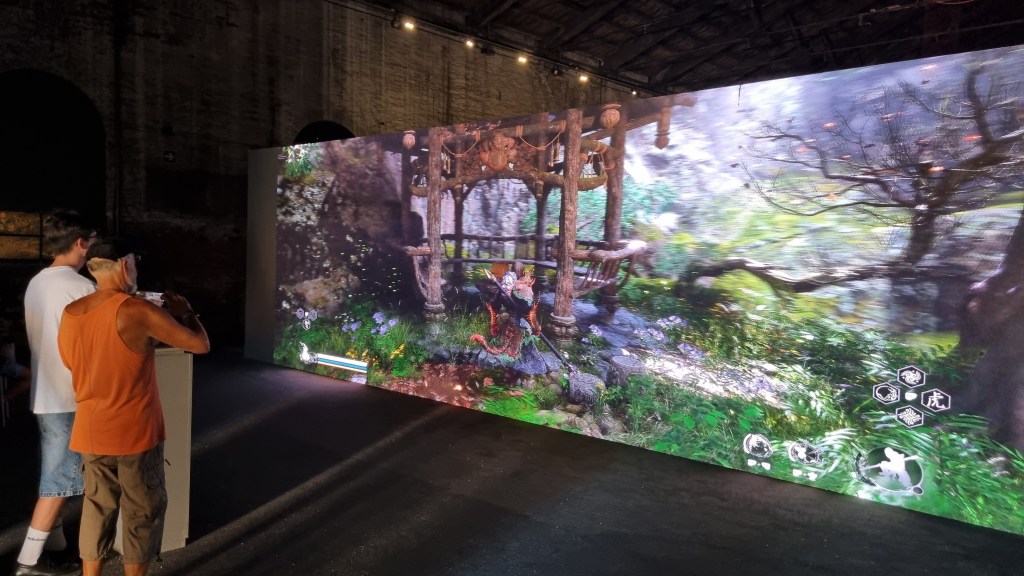
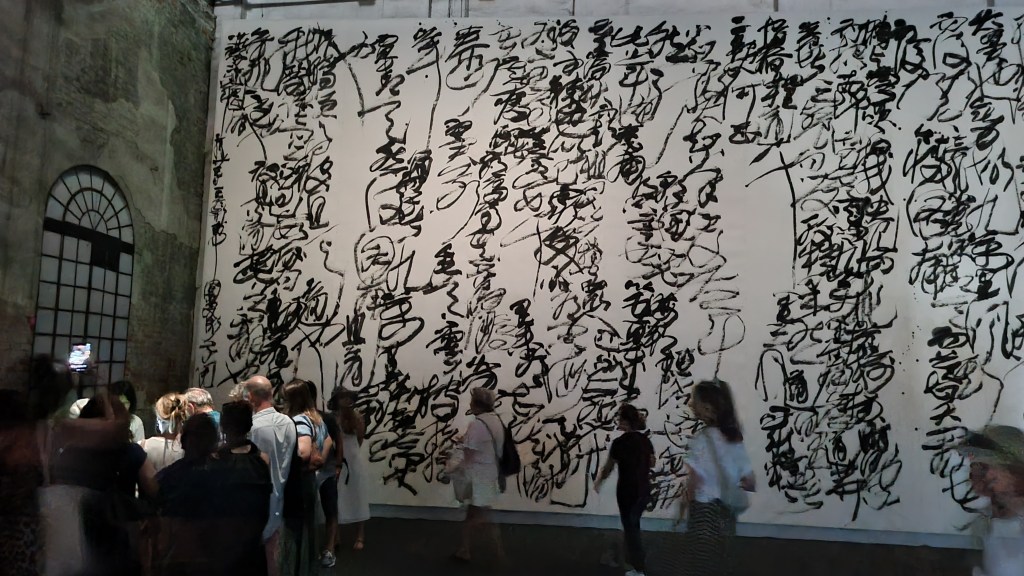
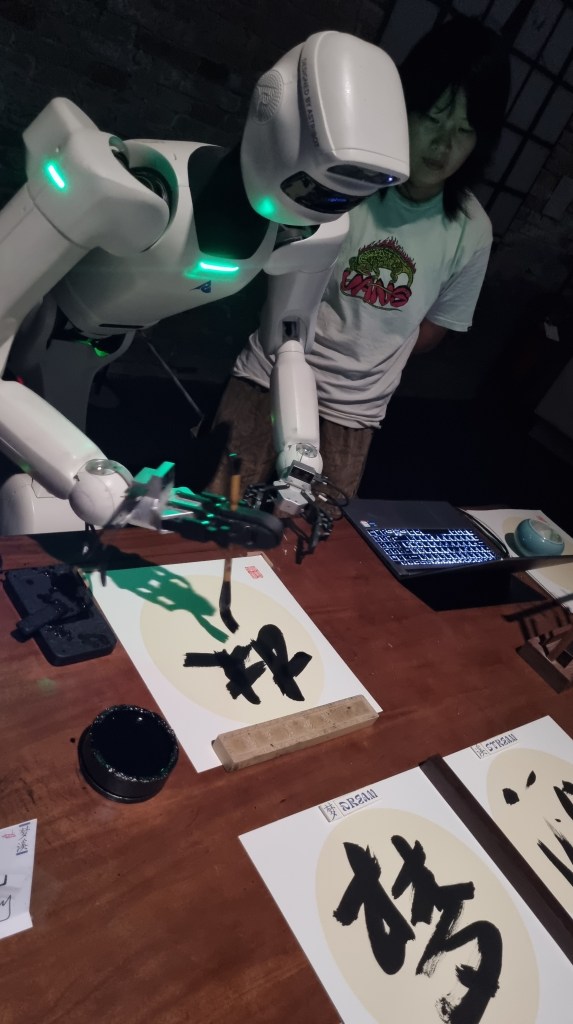
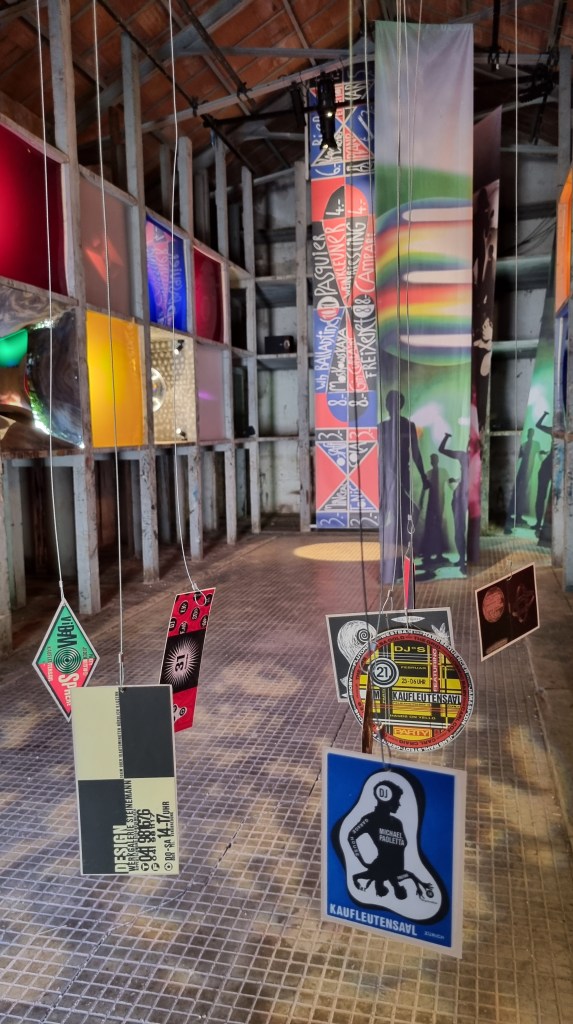
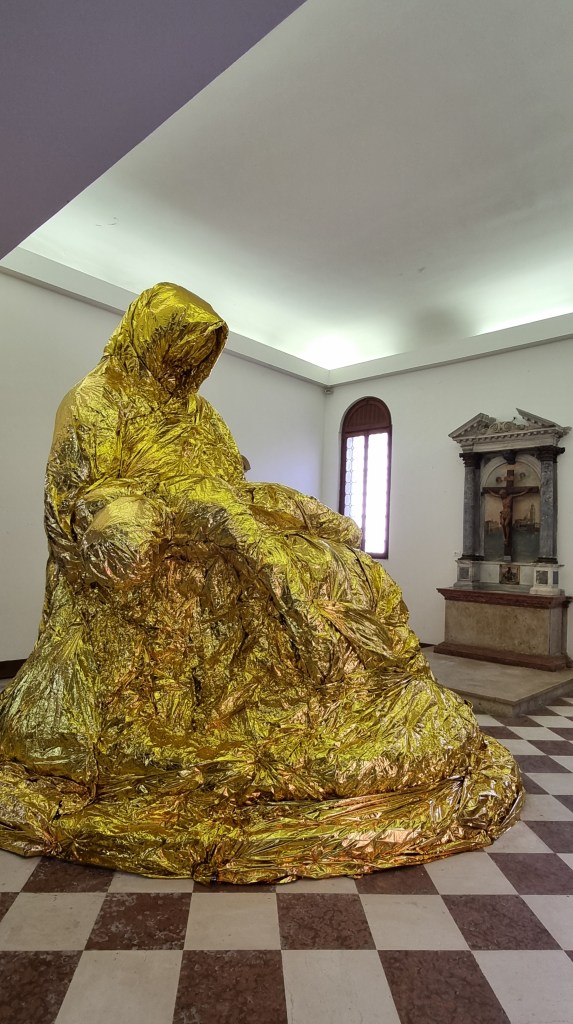
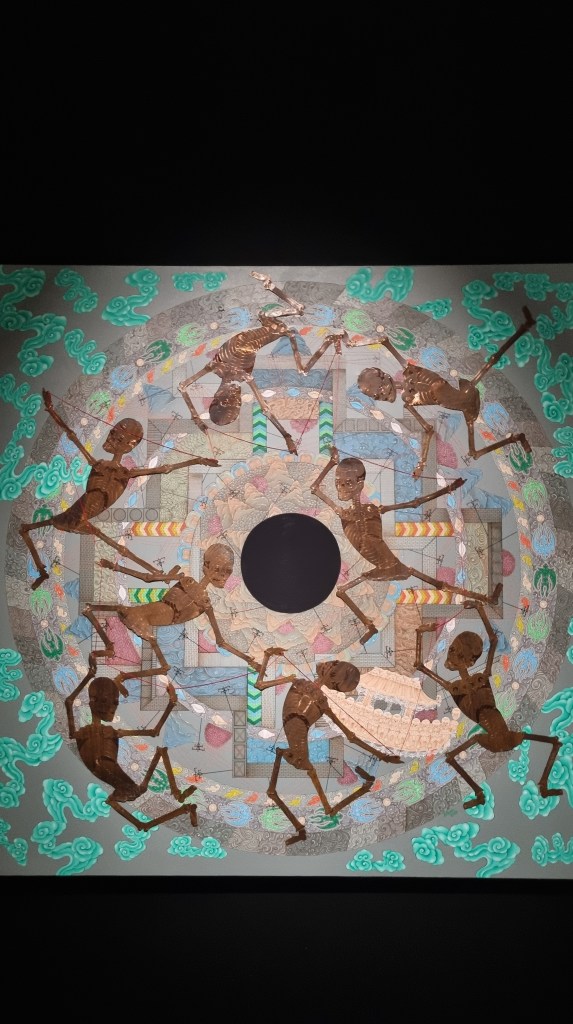
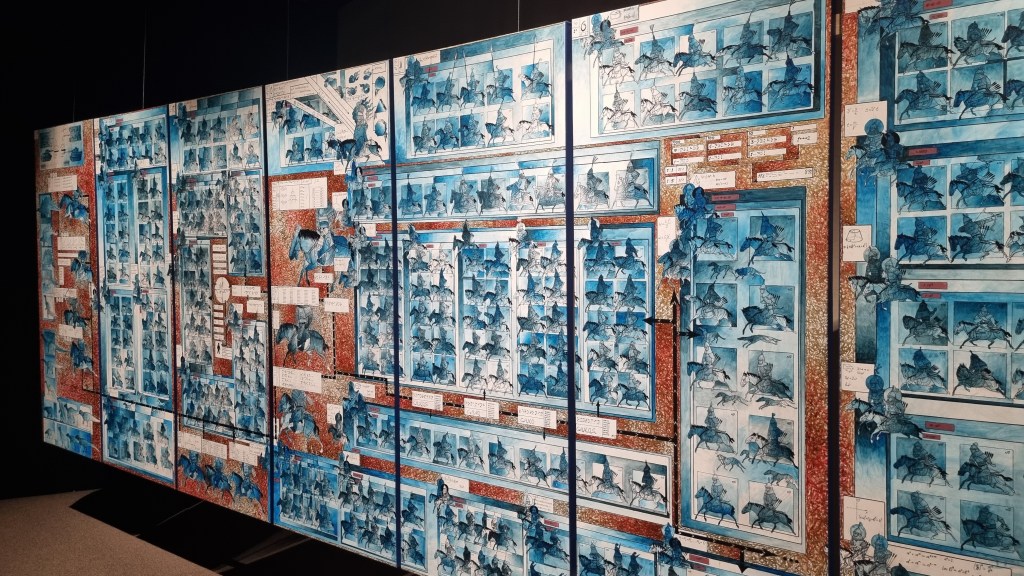
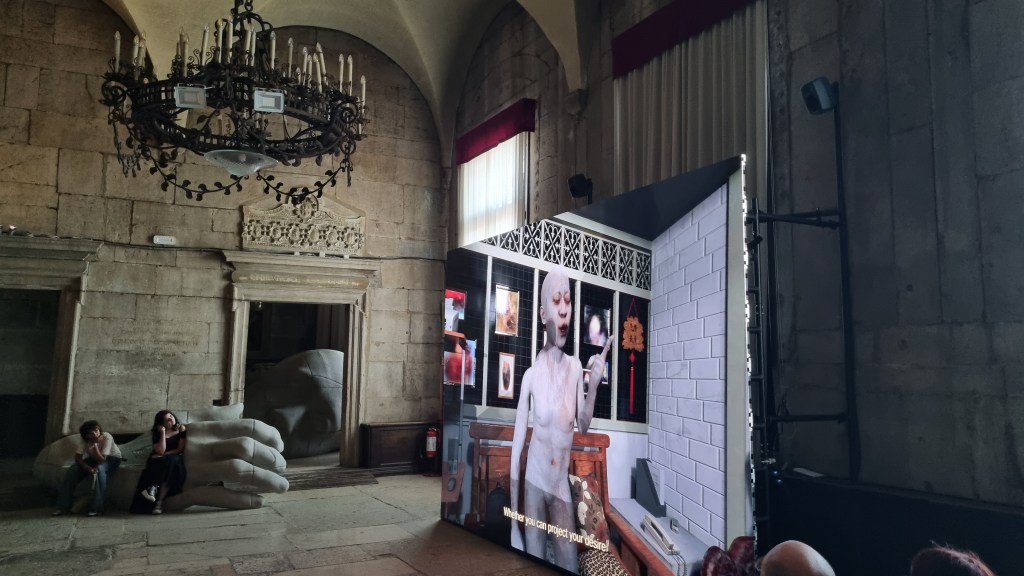
As I have been complaining at the start that the works are too scrambled and not that cohesive and that it is hard to recognize whose work is which, I then understood that it doesn’t really matter. It also doesn’t really matter if you don’t immediately see which country is being represented, as that’s not the point – the point is in togetherness: ‘It is a free-jazz ensemble. Poetics liberate and people make beauty together. Through relation, sharing, and transcendence, the artists and practices that operate in this spirit, like jazz, across methods, scales, senses and forms, propose to visitors an exhibitional experience that is more sensory than didactic, renewing rather than exhausting, and fortifying for the work ahead.
Through a visual and meditative procession, the exhibition prompts all senses to interconnect and meander from one universe to the other, rendering visible the possibilities that reside in the in-between spaces and beyond the portals.‘
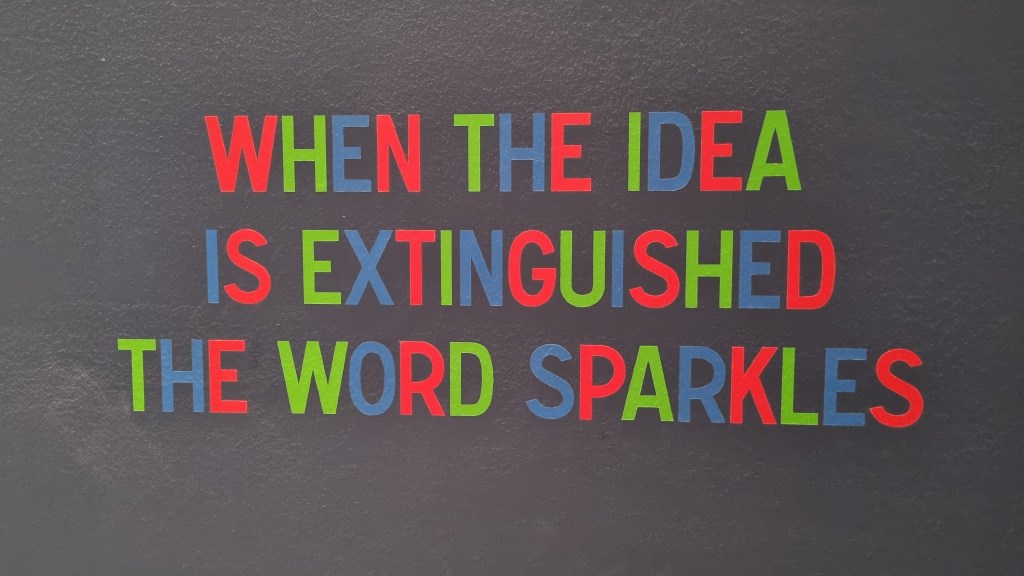
Not just art as visual poetry, but it is poetics as presence. Not a work to be deciphered, but an experience to be lived. Certainty dissolves into an illusion, making a room for a world defined by doubt, curiosity and collective empathy. ‘You entered as a witness, you depart as the beloved, you have been adorned.’
This is a walk through the story of imagination and representation of literal life. So, take a walk and go live.
ps: You can click on the images to make them full size, bigger and better quality 🙂

